

Legislative Identity and Congressional Representation
From the Sidelines
By: Ray G. Talimio Jr.
“As Cagayan de Oro expanded in population, territory, and economic importance, so too did its representation in Congress. From having a lone district to gaining two congressional seats, the city has evolved into a major legislative voice for Northern Mindanao.”
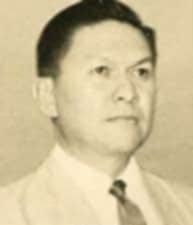
Before Cagayan de Oro had its own congressional district, it formed part of the larger province of Misamis Oriental. One of the earliest and most distinguished legislators representing this broader constituency was Emmanuel Pelaez, who later became Vice President of the Philippines under President Diosdado Macapagal. Pelaez was a revered statesman who consistently championed the cause of Mindanao’s development, even at a time when national attention was still heavily centered in Luzon.
Pelaez’s contributions to rural electrification are particularly notable. He was instrumental in crafting and supporting legislation that promoted electrification programs across Mindanao, which would eventually enable the creation of electric cooperatives like MORESCO I and II. These programs provided electricity to far flung barangays and agricultural zones, paving the way for increased productivity, rural education, and livelihood diversification. His early vision of equitable access to electricity became a foundational element of countryside development.
In addition to his rural infrastructure efforts, Pelaez also pushed for expanded public education, greater representation for Mindanaoans in the bureaucracy, and programs to uplift agrarian communities. As a diplomat and former Secretary of Foreign Affairs, his work extended internationally, but his legacy remains deeply rooted in the progress of Misamis Oriental and Cagayan de Oro’s emergence as a vital city in Northern Mindanao.
Benedicta B. Roa served as the representative of Cagayan de Oro City’s lone congressional district from November 16, 1987, to June 30, 1992, during the 8th Congress of the Philippines. She was elected in the historic 1987 elections following the ratification of the 1987 Constitution, which restored the bicameral Congress after the EDSA People Power Revolution and ended years of parliamentary government under the Batasang Pambansa.
As the first legislator to represent Cagayan de Oro in this new democratic era, Congresswoman Roa played a pivotal role in navigating the city through a period of national transition and rebuilding. Her term coincided with the re-establishment of democratic institutions, and her representation ensured that Cagayan de Oro had a voice in the reformed House of Representatives as new laws and reforms were crafted for a recovering nation.
Her election also marked a significant milestone for women in leadership, being one of the few female representatives from Mindanao at the time. Through her quiet strength and firm resolve, she contributed to legislative priorities that supported education, local governance, and infrastructure rehabilitation in the city. Her public service remains a meaningful chapter in Cagayan de Oro’s legislative history.
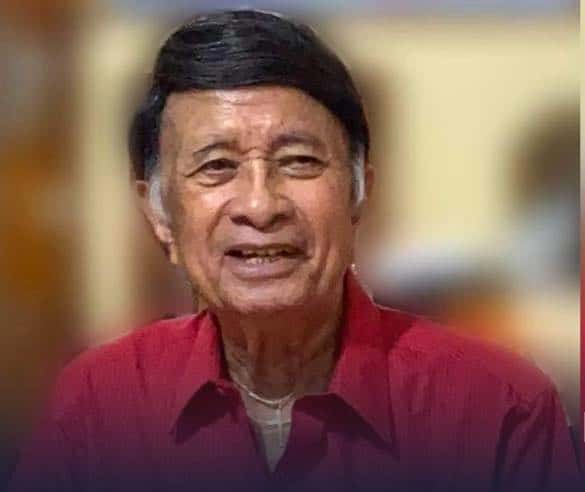
Benedict’s “Liling” Roa was replaced by Erasmo B. Damasing, who served from 1992 to 1998. Damasing, a pioneering figure, advocated for infrastructure development and economic legislation that laid the groundwork for Cagayan de Oro’s rise as a regional growth center. He was instrumental in pushing for budgetary allocations for road expansion and flood control, crucial for a city prone to seasonal typhoons.
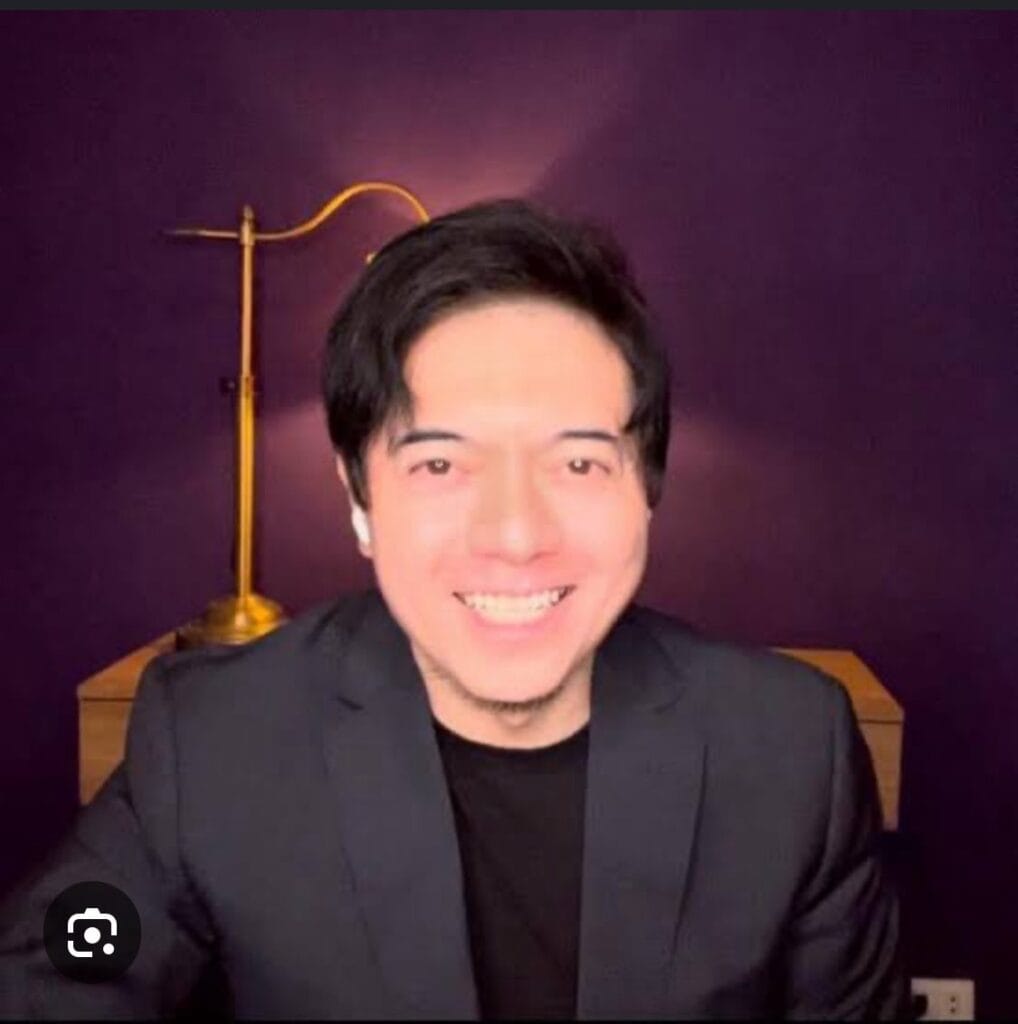
Constantino G. Jaraula succeeded Damasing and served from 1998 to 2007. Known for his strong advocacy of cultural heritage and legislative modernization, Jaraula later served as City Mayor from 2007 to 2010. He advocated for civic participation in governance and was a vocal supporter of environmental legislation and historical preservation, including efforts to institutionalize city-wide cleanup drives and heritage tours.
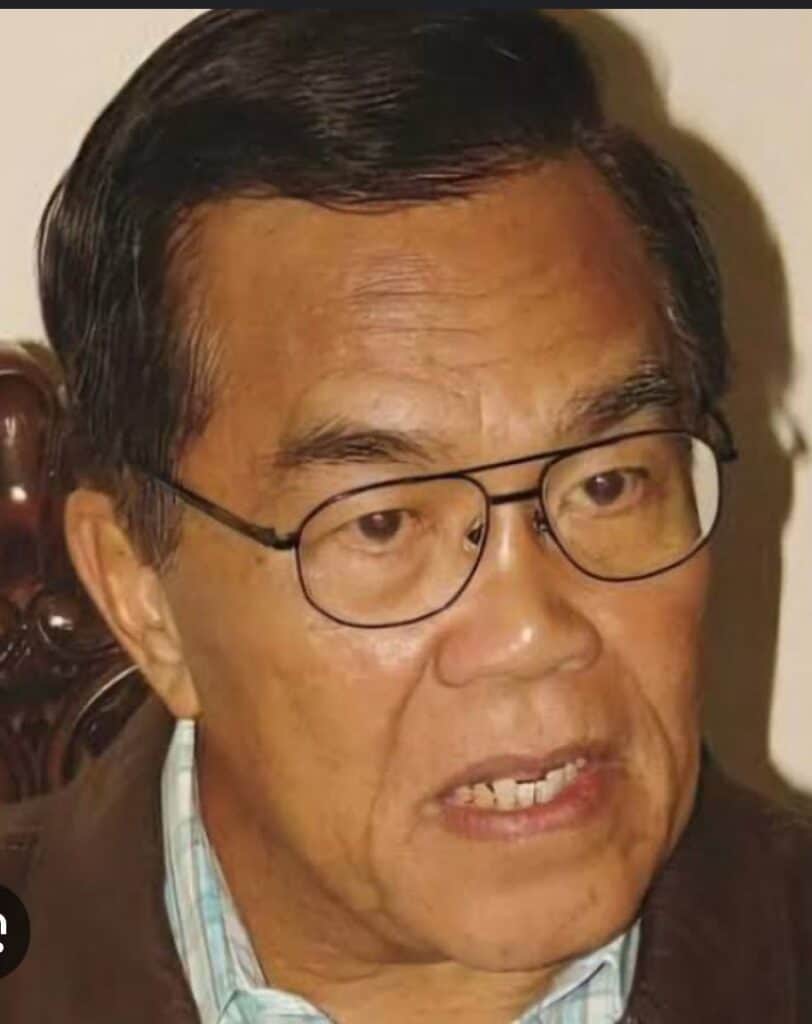
In 2007, the city’s Second District was established. Rufus B. Rodriguez was elected to represent the newly formed Second District from 2007 to 2013 and again from 2019 to the present. He is considered one of the most prolific legislators from Mindanao. As a former Dean of Law and respected legal scholar, Rodriguez authored and co-authored over 300 national and local bills, including those creating new barangays, expanding state universities, and modernizing immigration laws. He was instrumental in the passage of the Mindanao Railway Act, the Hospital Modernization Law, and local education support legislation that elevated the city’s public colleges and universities.
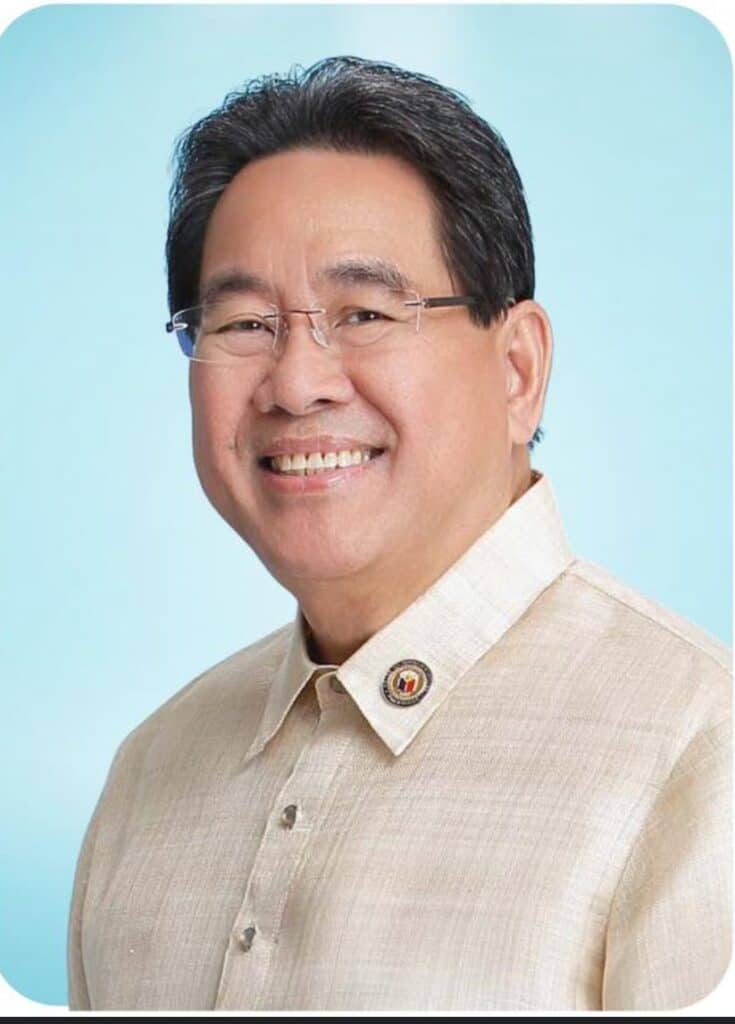
During Rodriguez’s term, several major infrastructure milestones were initiated or supported through national appropriations and legislative backing: the construction of flyovers in key city intersections, the establishment of Cagayan de Oro Convention Center, and the development of new growth areas along the Iponan Lumbia and Gusa Agusan corridors. He also supported the transfer of the airport from Lumbia to Laguindingan, enabling more efficient regional and international access, which transformed Northern Mindanao’s logistics landscape.
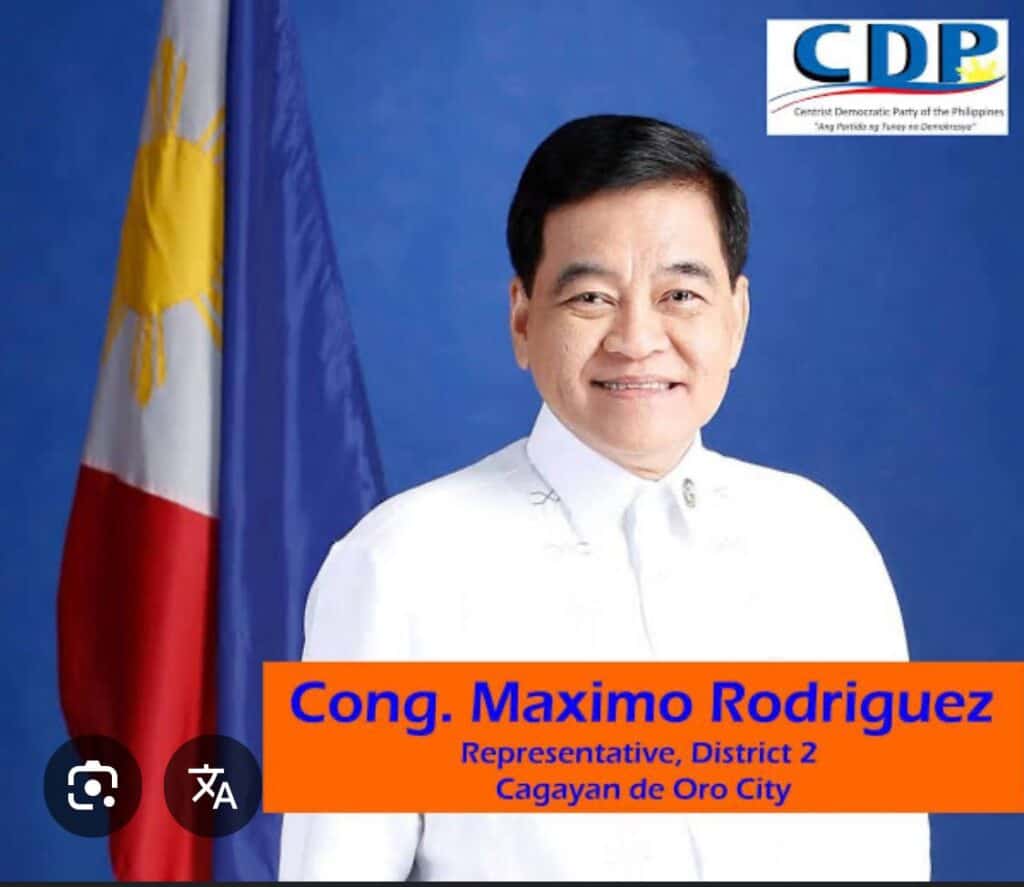
Rodriguez was also among those who helped promote the growth of the Mindanao Container Terminal in Tagoloan, which spurred economic expansion in the city’s eastern corridor and attracted logistics companies and exporters to locate in Cagayan de Oro. His legislative office played a key role in aligning port expansion projects with economic zone development.
For the First District, notable representatives include Jose Benjamin “Benjo” Benaldo who served from 2010 to 2013. Benaldo focused on youth development, digital literacy, and social welfare programs aimed at marginalized communities.
He was succeeded by Rolando “Klarex” Uy who served from 2013 to 2022. Known for his grassroots leadership, Uy championed social services and barangay level infrastructure. His programs emphasized connectivity and access, and he was recognized for his consistent service to the urban poor.
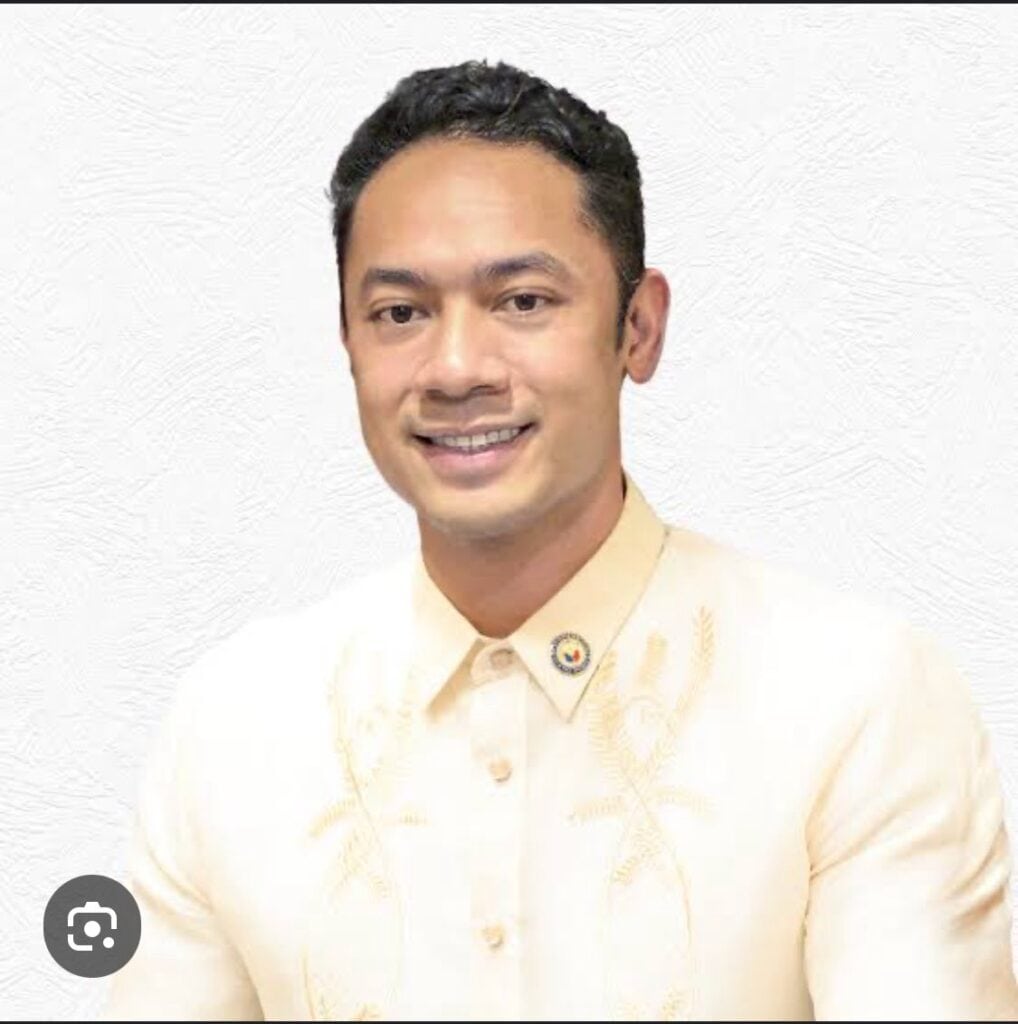
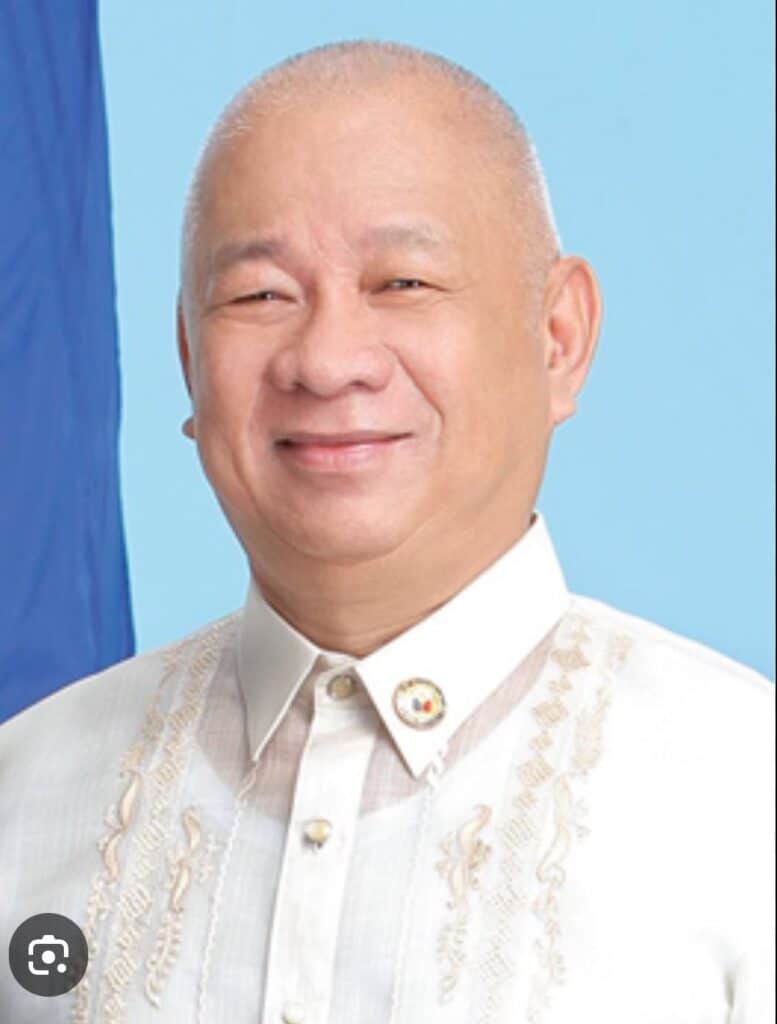
Rep. Lordan Suan succeeded Uy in 2022. Suan contributed to urban renewal and disaster resilience legislation, emphasizing preparedness in rapidly growing cities like Cagayan de Oro. He has pushed for the expansion of healthcare facilities and integration of climate responsive city planning.
Rep. Maximo B. Rodriguez Jr. represented the Second District from 2016 to 2019 after serving as a representative of a Mindanao-based partylist group ABAMIN. His term focused on health and regional integration programs, and he supported legislative efforts that aligned the city’s development plans with national infrastructure strategies.
Each of these public servants helped build the legislative identity of Cagayan de Oro, translating the aspirations of its people into policies that shaped a dynamic, responsive, and nationally respected urban center.
Sources
Official records of the House of Representatives; CDO LGU archives; Mindanao Development Authority legislative reviews; interviews and citations from local historians
Photo credits
Monument of Emmanuel Pelaez – courtesy of Nanette Roa Archives
Congressional roster photos – Public domain and House of Representatives Media
Lumbia Airport historical photos – Oro Chamber Archives
About the Author
Ray G. Talimio Jr. is Past President and Past Chairman of the Board of the Cagayan de Oro Chamber of Commerce and Industry Foundation Inc. (Oro Chamber); Co Chairman of the Economic Development Committee of RDC X; Chairman of the MSME Development Council of Misamis Oriental and Cagayan de Oro City; Chairman of BIMP EAGA for Northern Mindanao; National Officer, Past Senior Regional Director, and Past Chapter President of the Philippine Institute of Certified Public Accountants (PICPA); Advocate for MSME development, public accountability, regional infrastructure, and customs and trade facilitation reform.