

Political Maturation: From Martial Law to HUC
From the Sidelines
By: Ray G. Talimio Jr.
“As Cagayan de Oro grew politically and administratively, key reforms and leadership from the post Marcos era guided its rise as a highly urbanized regional center”
As Cagayan de Oro moved into its third decade as a chartered city, national upheavals and local transitions began to shape its political journey. From the period of Martial Law to the democratic restoration of the mid 1980s, the city was not insulated from the broader shifts in governance, representation, and citizen involvement that swept the country.
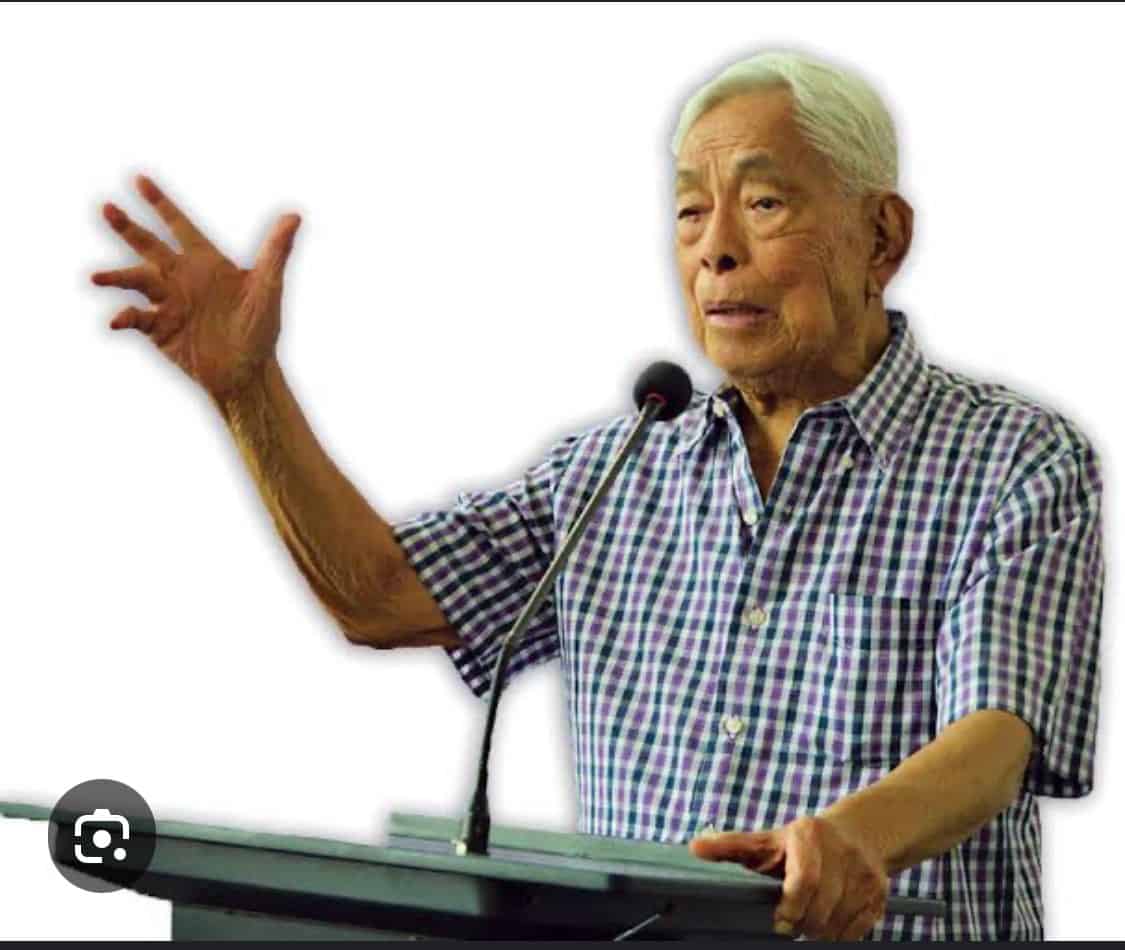
One of the most transformative leaders during this period was Aquilino Q. Pimentel Jr., who became mayor in 1980 under the banner of local autonomy and opposition to authoritarianism. A constitutional convention delegate and later senator, Pimentel brought to Cagayan de Oro a style of leadership that emphasized grassroots consultation, participatory budgeting, and transparency. His tenure marked a turning point in local governance. Even as the Marcos regime tightened its grip nationally, the city saw civic activity expand through local policy reforms. Pimentel made room for people’s voices to shape decision making and defended civil liberties even under political pressure.
His leadership came to national attention when he was removed from office in 1981 by the Marcos government, only to be overwhelmingly reelected in 1984. The peaceful resistance of Kagay-anons during this period was a testament to the city’s deepening democratic values. Pimentel later became a senator and is best remembered nationally as the father of the Local Government Code of 1991. In many ways, the progressive spirit embedded in that law had its roots in his time as mayor of Cagayan de Oro.
In 1983, Proclamation No. 2107 was issued by President Ferdinand Marcos, declaring Cagayan de Oro as a Highly Urbanized City. However, under the 1987 Constitution, such a declaration required a ratifying plebiscite. Since no plebiscite was conducted at the time, the HUC status was recognized in a practical and administrative sense, but full political and electoral separation from Misamis Oriental occurred only after the framework provided by the 1987 Constitution and the Local Government Code of 1991. In effect, while the 1983 proclamation recognized the city’s growing urban character, its full autonomy matured under the restored democratic setup.
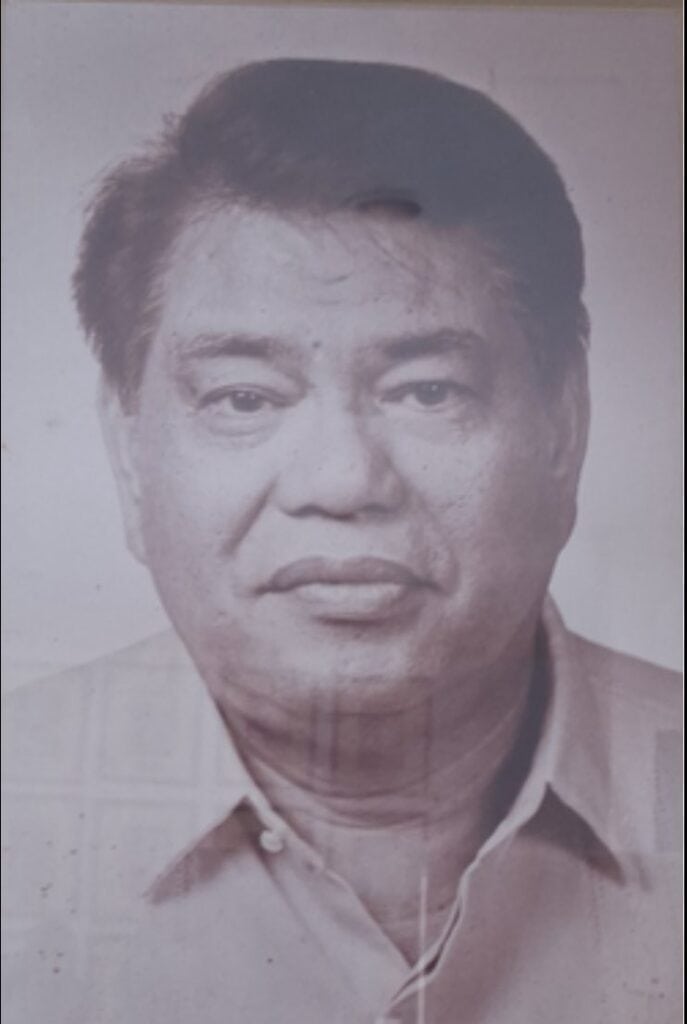
Following the 1986 EDSA People Power Revolution, Pablo “Ambing” Magtajas was appointed officer in charge of the city. He was later elected to three consecutive full terms from 1988 to 1992, 1992 to 1995, and 1995 to 1998. Known for his warm and approachable leadership style, Magtajas focused on education, health, and social welfare. Public schools were upgraded, barangay health centers became more functional, and community programs for senior citizens, vendors, and the urban poor were strengthened. He also led the city through a politically delicate transition period, restoring public confidence in elections and democratic institutions.
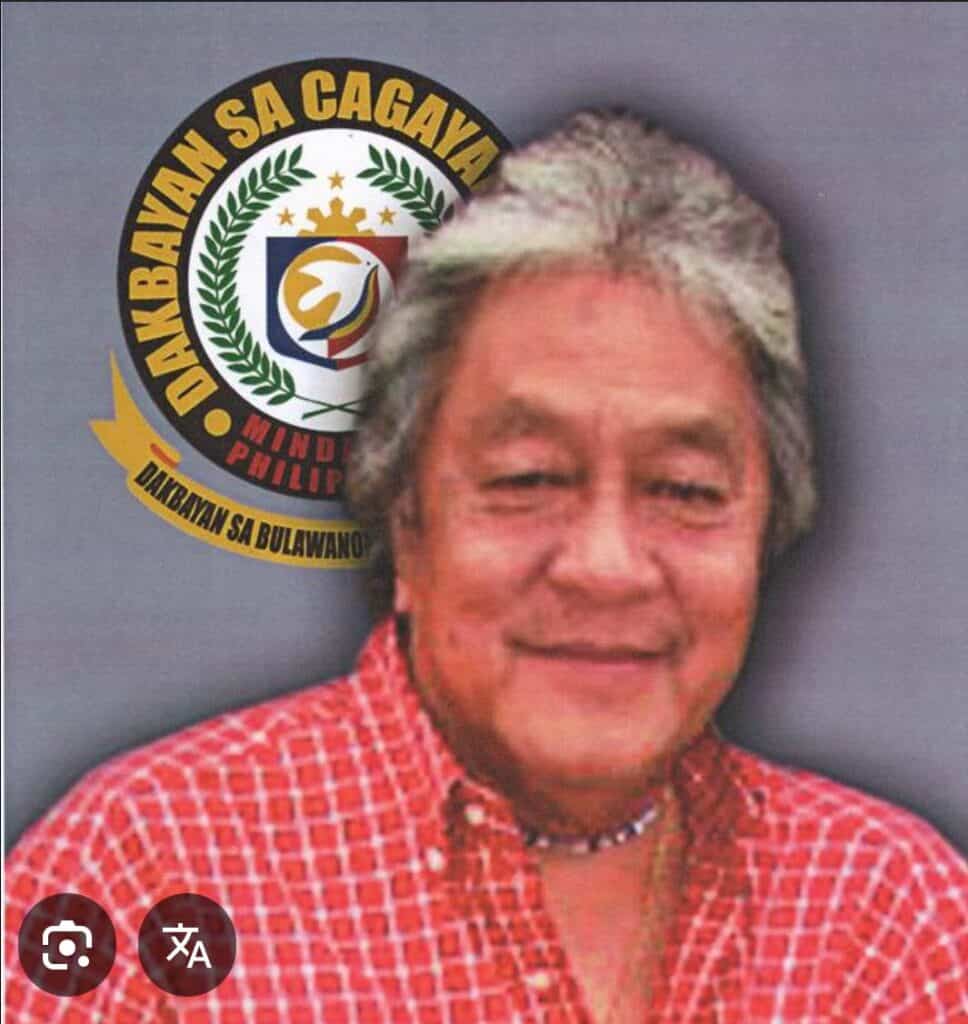
Succeeding him in 1998 was Vicente “Dongkoy” Emano, a former Tagoloan mayor and governor of Misamis Oriental. Emano brought a pro barangay orientation to city governance. He empowered grassroots leaders and supported initiatives for housing, disaster relief, and community organization. His programs for internally displaced persons, informal settlers, and small scale livelihood helped define his populist brand. He served from 1998 to 2007 and again from 2010 to 2013.
The post Martial Law era thus gave Cagayan de Oro a trio of mayors who each left distinct legacies. Pimentel restored the moral and participatory compass of governance. Magtajas rebuilt public trust through social programs. Emano expanded grassroots involvement and made the barangay the cornerstone of his city development model.
These were not perfect administrations. They faced criticisms and political rivalry. But what they offered was a deepening of the democratic space in the city, the recognition that people mattered and had a voice. The city that had once been an outpost of colonial and bureaucratic rule was now charting its own direction as a regional hub, and its leaders, shaped by very different paths, reflected that maturing civic consciousness.
Photo credits
Portraits of Pimentel, Magtajas, and Emano from the City Archives and public domain sources
Proclamation No. 2107 scanned copy courtesy of National Library and NHCP Digital Archive
Sources
Proclamation No. 2107 (1983)
1987 Constitution, Article X
Local Government Code of 1991 (RA 7160)
Interviews with longtime city officials and journalists
Writings of Nanette V. Roa and CDO Heritage Council
About the Author
Ray G. Talimio Jr. is Past President and Past Chairman of the Board of the Cagayan de Oro Chamber of Commerce and Industry Foundation Inc. Oro Chamber; Co Chairman of the Economic Development Committee of RDC X; Chairman of the MSME Development Council of Misamis Oriental and Cagayan de Oro City; Chairman of BIMP EAGA for Northern Mindanao; National Officer, Past Senior Regional Director, and Past Chapter President of the Philippine Institute of Certified Public Accountants PICPA; Advocate for MSME development, public accountability, regional infrastructure, and customs and trade facilitation reform.