
Doomsday Clock: The Humanity Running Out of Time
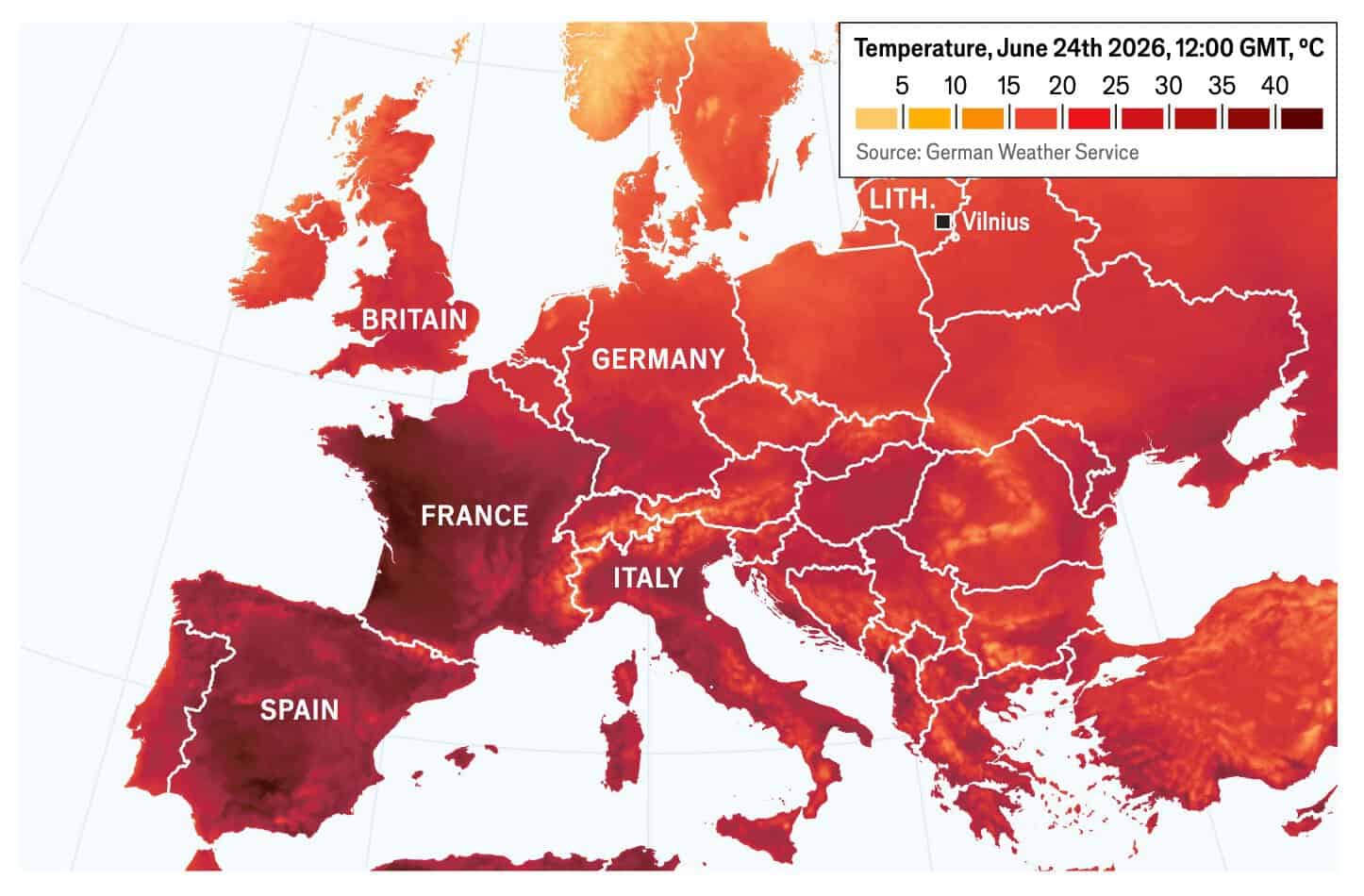
The unprecedented heat waves sweeping across Europe, devastating floods in many parts of Asia, prolonged droughts in Africa, powerful hurricanes in the Americas, raging wildfires that consume entire forests, and increasingly destructive typhoons striking the Philippines are no longer isolated disasters. Together, they tell a single story: our planet is sending humanity an unmistakable warning. Climate change is no longer a prediction confined to scientific journals or international conferences. It is unfolding before our eyes. Every year, communities across the world witness stronger storms, record-breaking temperatures, rising sea levels, shrinking glaciers, prolonged droughts, and declining agricultural productivity. These events are becoming more frequent and more severe, affecting millions of lives and threatening the future of generations yet unborn.
Scientists have spent decades studying Earth’s changing climate. Their conclusion is remarkably consistent: the continued burning of coal, oil, and natural gas releases enormous quantities of greenhouse gases into the atmosphere. These gases trap heat around the planet, intensifying what is known as the greenhouse effect. As global temperatures continue to rise, ecosystems become increasingly unstable, weather patterns become more unpredictable, and humanity moves closer to environmental tipping points that may be difficult or even impossible to reverse. This growing scientific consensus has led many experts to describe climate change not merely as an environmental issue but as a global emergency. The symbolic Doomsday Clock, maintained by the Bulletin of the Atomic Scientists, reflects concerns about existential risks to humanity, including climate change and nuclear weapons. Although it is not a literal countdown, its current setting serves as a powerful reminder that the decisions humanity makes today will shape the future of civilization.
The world has not ignored these warnings. International climate conferences, including the United Nations Climate Change Conferences (COP), have repeatedly called upon nations to reduce greenhouse gas emissions, accelerate the transition to clean energy, and strengthen cooperation in addressing one of the greatest challenges of our time. Governments have pledged to pursue cleaner technologies, invest in renewable energy, and work toward reducing global emissions. Yet despite these commitments, global emissions remain high, and progress has often been slower than scientists recommend. One of the greatest obstacles is humanity’s continued dependence on fossil fuels. For more than a century, coal, oil, and natural gas have powered industries, transportation, electricity generation, and economic development. They have undoubtedly contributed to technological progress and improved living standards in many parts of the world. However, they have also become the largest human source of greenhouse gas emissions.
This presents a profound moral and political challenge. The world understands the dangers of continued fossil fuel dependence, yet economic interests, political pressures, and existing energy systems often slow the transition toward cleaner alternatives. Energy decisions involve balancing environmental protection, economic growth, energy security, and the livelihoods of millions of workers. Nevertheless, many scientists and policy experts agree that delaying action will ultimately increase both environmental and economic costs.
The late Pope Francis addressed this challenge in his landmark encyclical ‘Laudato Si’. He reminded humanity that the environmental crisis cannot be separated from questions of justice, poverty, and human dignity. He argued that caring for “our common home” requires more than technological innovation; it demands a transformation in the way societies understand development, consumption, and responsibility toward future generations. The Holy Father warned against what he described as a throwaway culture, where excessive consumerism and the pursuit of unlimited economic growth often come at the expense of the environment and the poor. His message was not directed at one nation or one industry alone. It was an appeal to governments, businesses, educational institutions, religious communities, and ordinary citizens to recognize that humanity shares one Earth, and its resources must be managed wisely and responsibly.
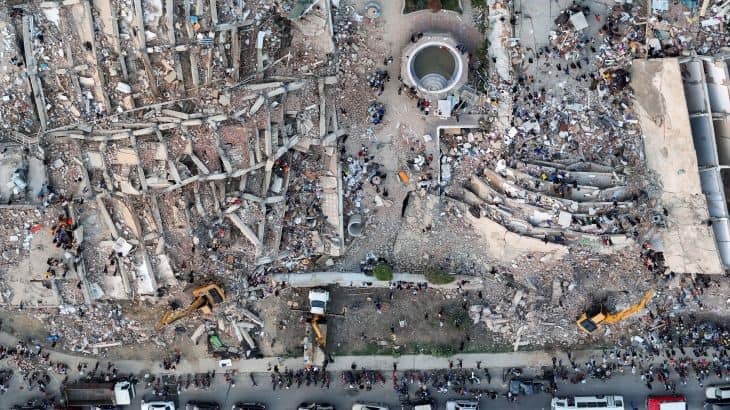
Today, the consequences of environmental degradation are becoming increasingly visible. Across continents, millions of people have been displaced by floods, droughts, wildfires, and severe storms. Farmers struggle with changing rainfall patterns. Coastal communities face rising seas and stronger storm surges. Heat waves threaten public health, especially among the elderly, children, and outdoor workers. These are not distant possibilities; they are realities already affecting countless communities worldwide. The Philippines is among the countries considered highly vulnerable to climate-related disasters because of its geography and exposure to tropical cyclones, flooding, and rising sea levels. Every year, powerful typhoons leave behind destroyed homes, damaged infrastructure, lost livelihoods, and tragic loss of life. Climate change does not create every natural disaster, but scientific research indicates that it can increase the intensity or likelihood of many extreme weather events.
Mindanao, often called the nation’s “Food Basket,” also faces significant environmental challenges. While the island possesses abundant natural resources, it is not immune to changing weather patterns, flooding, prolonged dry seasons, and other climate-related risks that affect agriculture and rural communities. These realities highlight the importance of pursuing sustainable development that protects both economic opportunities and the environment. The challenge before humanity is therefore larger than politics, ideology, or national boundaries. Climate change is not a problem that one country can solve alone. It requires international cooperation, responsible public policies, scientific innovation, sustainable business practices, and individual commitment. It calls upon every sector of society to ask a difficult but necessary question: What kind of world will we leave for future generations? The answer depends not on the promises we make but on the actions we choose today.
The world has now reached a defining moment in human history. It is no longer enough to acknowledge that climate change is real or to express concern after every devastating flood, wildfire, drought, earthquake, or heatwave. The scientific evidence is overwhelming, and the warning signs are becoming impossible to ignore. What is now required is not merely gradual reform but transformative change, a fundamental shift in the way humanity lives, produces, consumes, governs, and relates to one another and to the natural world. Transformative change means placing people, the planet, prosperity, and peace at the center of every decision. Economic growth should no longer be measured solely by rising profits or expanding industries. Rather, genuine development should be judged by whether it improves human well-being, reduces poverty, protects biodiversity, restores ecosystems, promotes social justice, and safeguards the future of generations yet to come.
For decades, many nations have pursued a model of development that has generated unprecedented economic growth. Yet this progress has often come at a tremendous environmental cost. Forests have been cleared, rivers polluted, oceans contaminated, and the atmosphere overloaded with greenhouse gases. While technological advancement has brought many benefits, it has also accelerated patterns of excessive consumption and waste that our planet can no longer sustain.
The climate crisis is therefore not simply an environmental problem; it is also an economic, political, ethical, and spiritual challenge. It compels humanity to reconsider the values that shape our societies. When short-term financial gain consistently outweighs the long-term health of the planet, the consequences are borne not only by nature but by millions of vulnerable people who contribute the least to climate change yet suffer its harshest impacts. Today, many communities around the world are already experiencing those consequences. Farmers struggle with prolonged droughts and unpredictable rainfall. Coastal populations face stronger storm surges and rising seas. Families are displaced by increasingly destructive typhoons, floods, and wildfires. Heatwaves claim lives, strain healthcare systems, and threaten food and water security. These are not isolated tragedies but interconnected warnings that humanity has exceeded many of the Earth’s ecological limits.
Transformative change also requires a transformation of human values. Governments must adopt policies that prioritize long-term sustainability over short-term political interests. Businesses must recognize that profitability should never come at the expense of human dignity or environmental integrity. Educational institutions should prepare future generations to become responsible stewards of the Earth. Religious communities can continue to remind humanity that caring for creation is not merely an environmental responsibility but a moral obligation. At the individual level, every person has a role to play. Conserving energy, reducing waste, supporting sustainable agriculture, protecting forests, choosing cleaner forms of transportation where possible, and demanding responsible public policies are practical ways citizens can contribute to meaningful change. While individual actions alone cannot solve the climate crisis, they become powerful when combined with courageous leadership and collective action.
Ultimately, humanity faces a profound choice. We can continue along a path of environmental degradation, widening inequality, and unsustainable consumption, or we can embrace a new model of development that values cooperation over exploitation, stewardship over greed, and the common good over narrow self-interest. The future of civilization will not be determined by scientific knowledge alone, for we already understand much of what must be done. Rather, it will be determined by whether humanity possesses the wisdom, courage, and moral resolve to act before the window of opportunity closes. The time for hesitation has passed. The time for transformative change is now. If we are to preserve a livable planet, ensure lasting prosperity, promote genuine peace, and uphold the dignity of every human person, we must act together with urgency, responsibility, and hope. The choices we make today will become the legacy we leave to future generations, and history will judge whether we responded when the Earth called upon us to protect our common home. All for God’s greater glory.