
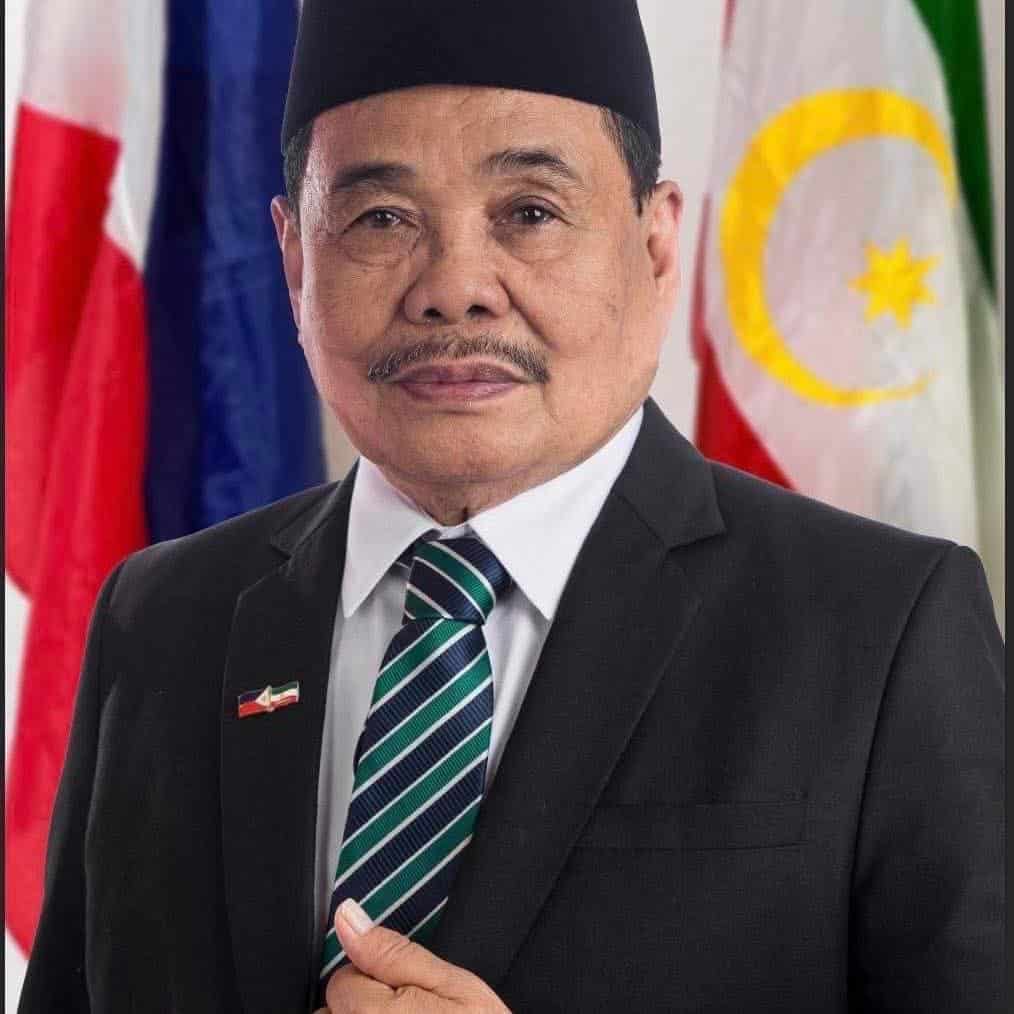
COTABATO CITY— Calls to stop the interference of Moro Islamic Liberation Front (MILF) Peace Panel Chief Mohagher Iqbal in the upcoming Bangsamoro Parliamentary Elections (BPE) are intensifying, with critics accusing him of undermining the democratic process and delaying the region’s long-awaited transition to self-governance.
In a published opinion column by Cotabato Column, Iqbal was portrayed as a central figure behind efforts to prevent the organization and conduct of the first-ever BPE, scheduled in this coming September.
The column argued that after seven years of transition under the Bangsamoro Autonomous Region in Muslim Mindanao (BARMM), residents should finally be allowed to elect their own leaders through the parliamentary system envisioned under the Bangsamoro peace process.
According to the article, Iqbal is allegedly seeking legal intervention from the Supreme Court to challenge the districting law passed by the Bangsamoro Parliament, a move the column claimed could derail the electoral process.
“He is moving mountains to obtain an injunctive relief from the Highest Court of the land against the districting law passed by the Bangsamoro Parliament,” the column stated, adding that such efforts would prevent the Bangsamoro people from exercising their “constitutionally guaranteed right to suffrage.”
It further warned that if the elections are postponed or halted, it would mark the fourth time that the Bangsamoro people have been denied the opportunity to directly choose their leaders since the establishment of the BARMM.
Central to the criticism is the assertion that prolonging the transition period would benefit incumbent political actors. The column claimed that an election delay could pave the way for the reconstitution of the Bangsamoro Transition Authority (BTA), allowing appointed officials to remain in power rather than ceding authority to elected representatives.
“The narrative of ‘unending transition’ is not a bug in the peace process—it is Iqbal’s feature. By depriving the people of self-determination, he embeds himself in power indefinitely,” the article said.
The opinion piece also linked the controversy to the alleged mishandling of a P2.2 billion education fund, which the columnist described as a scandal that should have ended Iqbal’s political relevance.
The article stated that Chief Minister Abdulraof A. Macacua relieved Iqbal from his post as Minister of the Ministry of Basic, Higher and Technical Education (MBHTE) after losing trust and confidence in him over the controversy.
The column argued that rather than accepting accountability, Iqbal continued to pursue actions that could delay the region’s democratic transition, claiming that efforts to halt the parliamentary elections could ultimately lead to the reconstitution of the BTA.
That will allow appointed officials to remain in power instead of transferring authority to leaders chosen through the ballot.
While acknowledging that the legal challenge has been presented as a governance issue, the columnist dismissed such explanations and characterized the dispute as a struggle over political influence rather than ideology or the peace process itself.
“This is not about ideology. This is not about the peace process. This is a grudge match dressed in judicial robes,” it stated.
The column concluded with a direct appeal to both the Supreme Court and the national government to allow the parliamentary elections to proceed as scheduled, arguing that the Bangsamoro people are ready to exercise their right to self-determination through the ballot.
“Let the Supreme Court hear the Bangsamoro, not him. Let Malacañang see clearly that the Bangsamoro people are ready for elections,” said the article.
The publication maintained that any effort to delay the parliamentary polls would undermine the region’s democratic aspirations and prolong a transition period that many residents expect to conclude through the conduct of free and credible elections. [END]