
By CHRIS V. PANGANIBAN
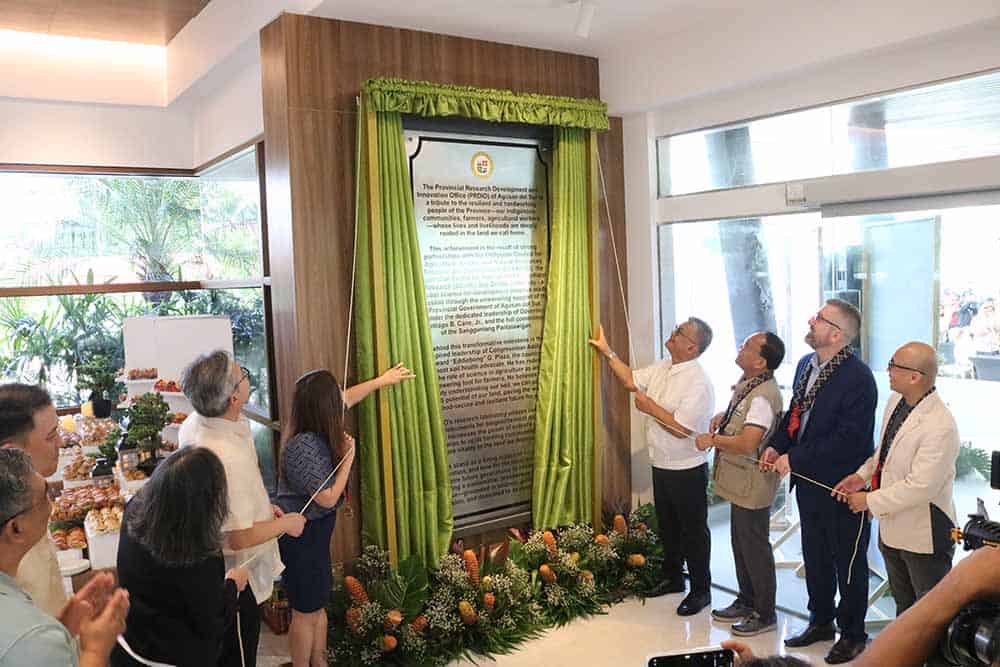
PROSPERIDAD, Agusan del Sur — A groundbreaking milestone for Philippine agriculture was achieved with the inauguration of the P550 million state-of-the-art soils laboratory, the first of its kind in the country, on Tuesday, June 24.
The facility is located beside the Provincial Agriculture Office within the provincial Capitol complex.
Australian Ambassador to the Philippines, Hae Kyung Yu, who attended the event, emphasized that the biogeochemistry research laboratory is not only aligned with national standards but also meets Australian standards, with plans for international accreditation.
“We’re working towards making this facility the best in the world,” Ambassador Yu remarked during her speech.
She highlighted the collaboration with the Australian Center for International Agricultural Research (ACIAR), which will provide the lab’s scientists access to the center’s best practices and expertise.
The groundbreaking ceremony for this modern laboratory was officiated by President Ferdinand Marcos Jr. on February 16 last year. ACIAR has also committed to supporting the lab through capacity-building initiatives and specialized training for the experts working there.
Gov. Santiago Cane Jr. expressed his pride in the realization of the project, stating, “Our dream has finally taken shape.” He added that the establishment of the soils laboratory brings research on the province’s farmlands from a distant dream to an achievable reality.
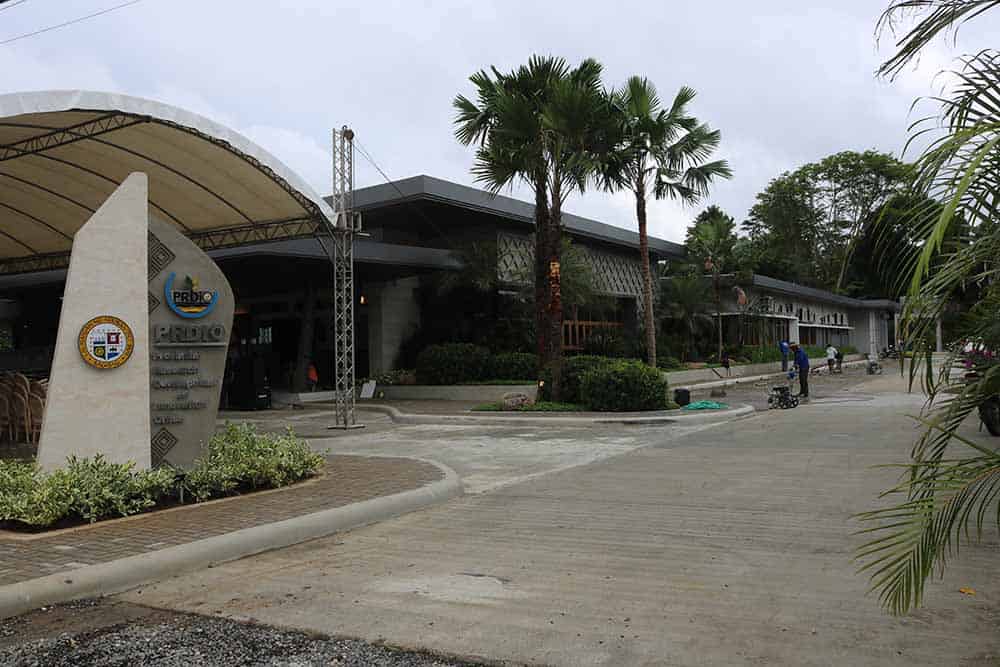
Known as the Provincial Research Development Innovation Office (PRDIO) Research Laboratory, this facility boasts advanced analytical capabilities for physical, chemical, and biological characterization of soils.
The lab can process between 50 and 100 samples daily, ensuring that results are available within two to three days. It is equipped to analyze soils, plants, water, fertilizer, and even gas samples. Spanning 1,687 square meters, the laboratory is designed to handle a wide range of testing and research.
This new facility is expected to significantly enhance the yield of farmers, particularly those participating in the Upland Sustainable Agroforestry Development (USAD) program, a brainchild of Rep. Adolph Edward Plaza of the province’s second district.
The lab’s main purpose is to provide accurate, science-backed soil information, helping farmers select suitable crops and determine the appropriate fertilizers and application rates to ensure optimal plant growth.
Plaza, who was instrumental in championing the initiative, pointed out that the soils laboratory will empower farmers with the knowledge they need to make data-driven decisions.
Plaza, who also led the First National Soil Health Summit held on June 21–22, 2023, discussed the lab’s contribution to comprehensive soil testing and targeted fertilization, which could increase crop yields by up to 50% and reduce fertilizer costs by 25%.
He also expressed frustration with the Department of Agriculture’s (DA) regional laboratories, which he claimed lacked the necessary equipment and still relied on outdated rapid NPK soil test kits.
“Let our soil dictate the fertilizer we apply by primarily taking into account our soil’s specific needs,” Plaza said, echoing his commitment to a national soil health strategy.
DA Undersecretary Roger V. Navarro expressed optimism that the Agusan del Sur model would be replicated in other parts of the country.
He noted that the new facility would not only improve agricultural productivity but also help farmers become more resilient to climate change, ultimately fostering a data-driven, inclusive approach to farming.