
From the Sidelines
By: Ray G. Talimio Jr.
“Speed Regulation Must Align with National Highway Authority”
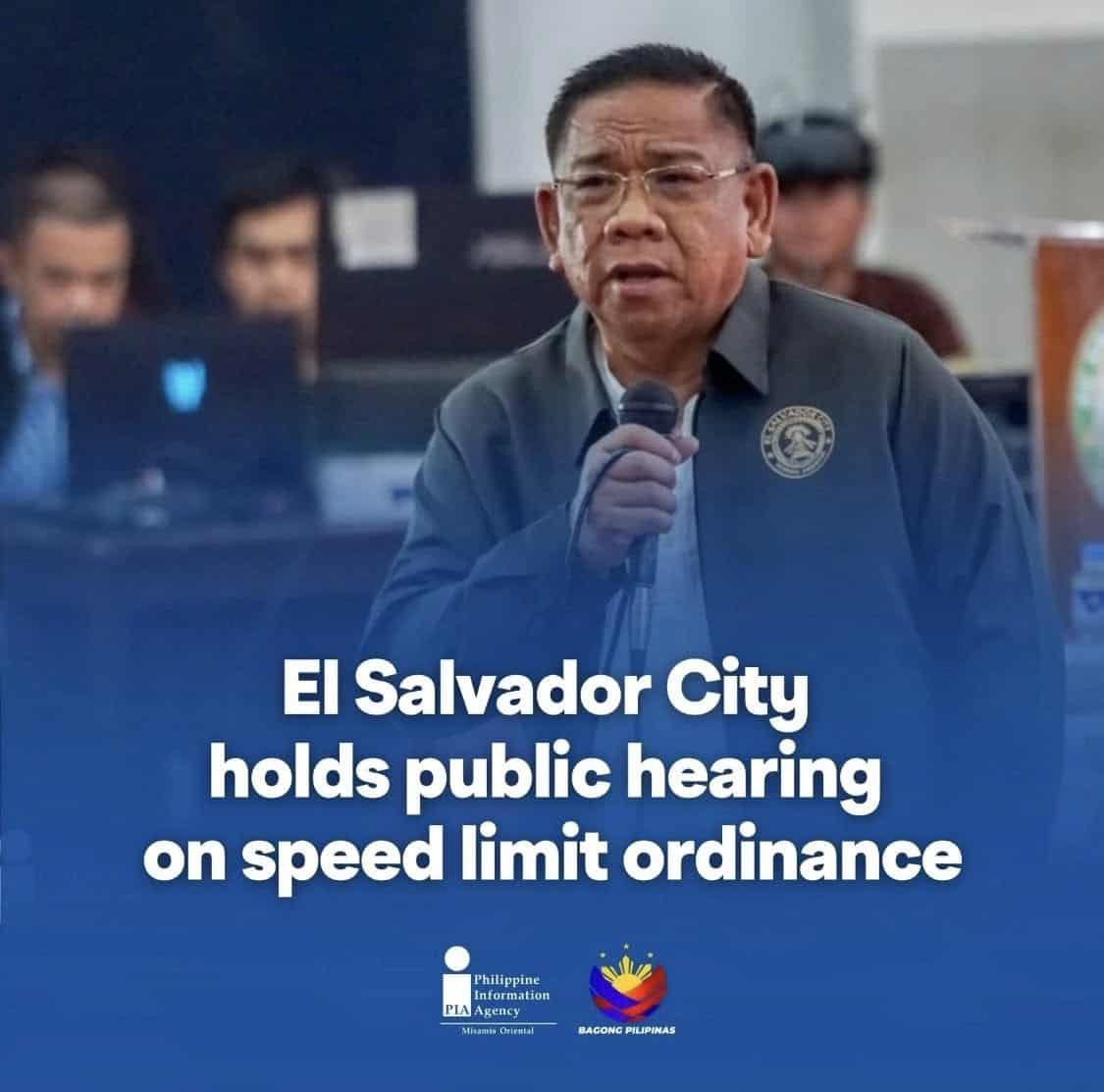
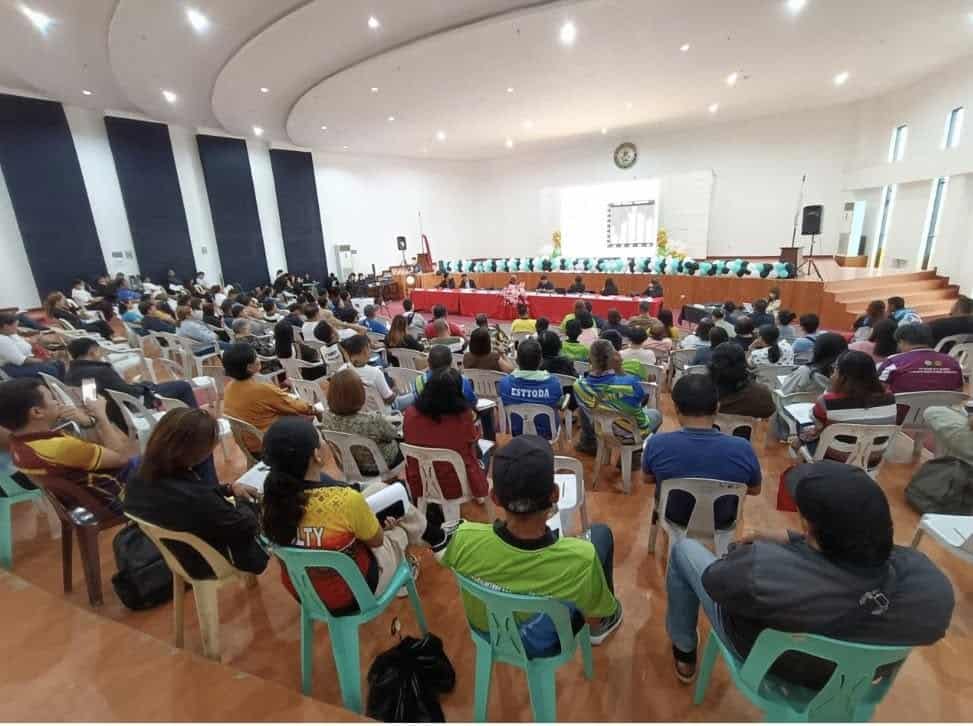
El Salvador City held a public hearing on its proposed speed limit ordinance, drawing stakeholders from various sectors to discuss road safety and enforcement concerns. Mayor Edgar Lignes cited the impact of traffic lights installed in 2018, noting a decline in accidents, although reckless driving continues to pose a challenge along major road corridors.
The initiative reflects the duty of local government units to safeguard lives and promote orderly transport within their jurisdiction. Road safety is a core public service. However, regulatory authority must be clearly aligned with existing national laws and administrative mandates.
Under Republic Act No. 7160, or the Local Government Code of 1991, local government units may regulate traffic on local roads. Yet national roads and highways fall under the jurisdiction of the Department of Public Works and Highways (DPWH). Any speed limit ordinance that affects national highways passing through a city should therefore involve DPWH in the policy discussion and technical evaluation.
Speed limits are not arbitrary figures. They are grounded on road classification, engineering design, pedestrian activity, traffic volume, and historical accident data. While traffic lights may address intersection control, highway segments require broader engineering assessment and proper signage authorization consistent with DPWH standards.
Coordination is not a limitation on local autonomy. It ensures enforceability and avoids jurisdictional overlap. If an ordinance regulates stretches of national highway without DPWH concurrence, questions may arise regarding implementation, signage placement, and legal defensibility.
The more prudent path is collaborative governance. A joint technical dialogue among the City Government, DPWH, law enforcement agencies, and transport groups can produce a speed regulation framework that is both responsive and legally sound.
Public safety must remain the objective. Local leadership is essential, but national highway authority must be part of the conversation.

Sources: Philippine Information Agency (PIA), “El Salvador City holds public hearing on speed limit ordinance,” by Shaun Alejandrae Y. Uy and Jessa Khen A. Baclay, February 26, 2026, pia.gov.ph
Photo Credits: Philippine Information Agency Misamis Oriental
Photos by Shaun Alejandrae Y. Uy
Disclaimer: This column is for public policy discussion and does not constitute legal advice.
About the Author: Ray G. Talimio Jr. is a Certified Public Accountant and veteran columnist on governance, economic policy, and public accountability. He is a Past President and Past Chairman of the Board of the Cagayan de Oro Chamber of Commerce and Industry Foundation Inc. He is a former Co-Chairman of the Regional Development Council Region X Economic Development Committee and a National Officer of the Philippine Institute of Certified Public Accountants. He also served as BIMP-EAGA Chairperson from 2023 to 2025.