

From the Sidelines
By: Ray G. Talimio Jr.
“Should the Senate continue its probe now that the ICI is in place?”
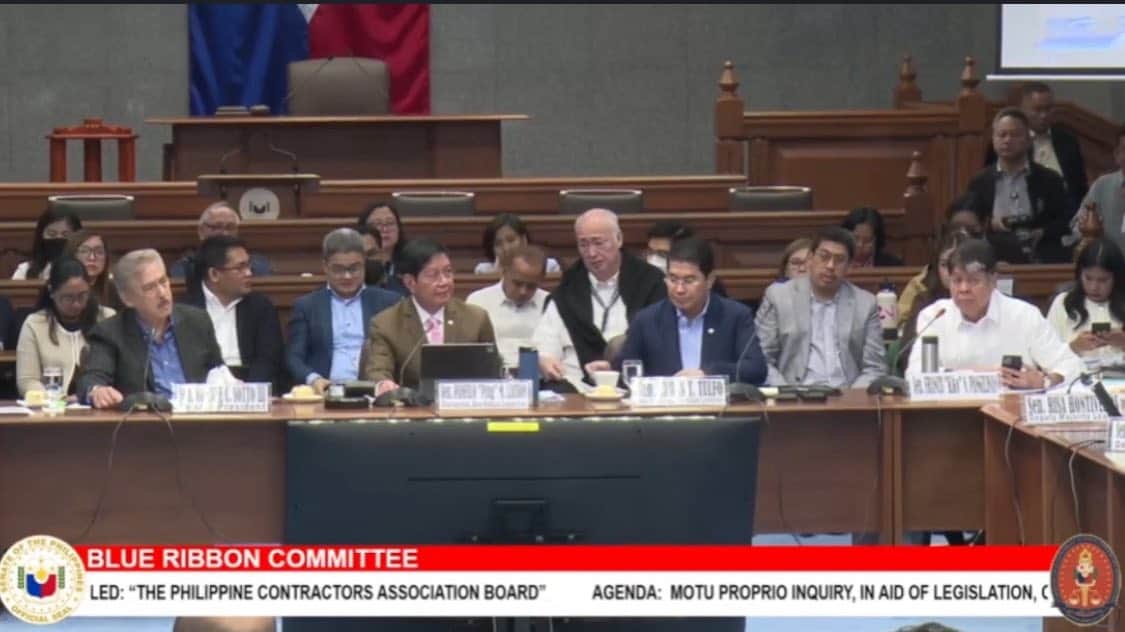
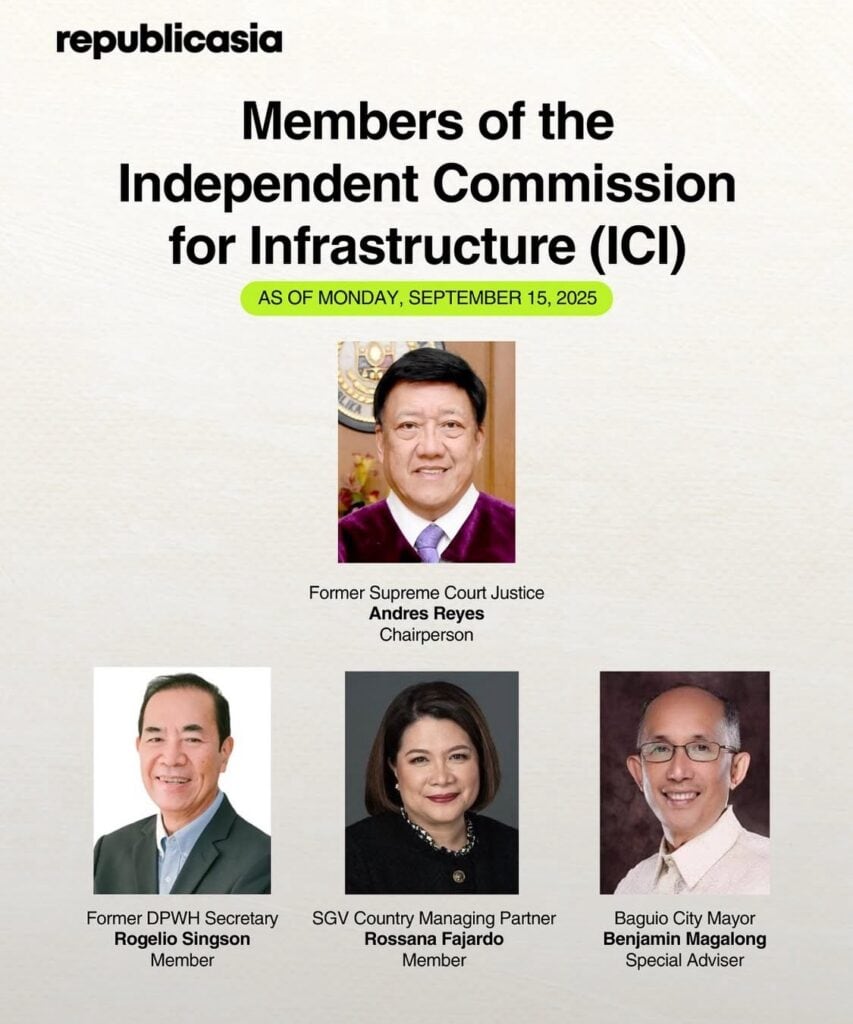
The installation of the Independent Commission for Infrastructure (ICI), chaired by former Supreme Court Justice Andres Reyes with members former DPWH Secretary Rogelio Singson, SGV Country Managing Partner Rossana Fajardo, and Baguio City Mayor Benjamin Magalong as special adviser, was seen as a decisive step in addressing the recurring corruption scandals in flood control and other public works projects. Yet, a crucial question lingers: should the Senate Blue Ribbon Committee continue its own hearings now that the ICI is fully constituted?
The Blue Ribbon Committee has long been the Senate’s vanguard in uncovering graft. Its motu proprio inquiries have put under the spotlight contractors, officials, and even lawmakers suspected of benefiting from anomalous insertions. While its work is political in nature, it is backed by constitutional oversight powers. On the other hand, the ICI was created under Executive Order 94 to bring technical independence and credibility to the audit of infrastructure projects, using forensic accounting and engineering validation to cut through paper defenses and ghost project cover-ups.
If the Senate simply yields its role to the ICI, it risks weakening the principle of checks and balances. Yet, if both bodies proceed with parallel investigations, duplication and confusion could emerge. The more productive path may be convergence: allowing the ICI’s independent findings to feed into the Senate’s public inquiries, giving legislators the evidence base needed to craft stronger laws against budget manipulation and project fraud.
At the same time, another layer of truth remains untouched. The alleged “Bicam players” who maneuvered the 2025 General Appropriations Act (GAA) during the bicameral conference committee deserve to be summoned. Their role in reallocating or inserting billions into unprogrammed appropriations is at the very heart of the budget controversy. If the Senate is serious about accountability, then not only contractors and implementing agencies but also lawmakers themselves must answer for the budget games that led to distorted priorities.
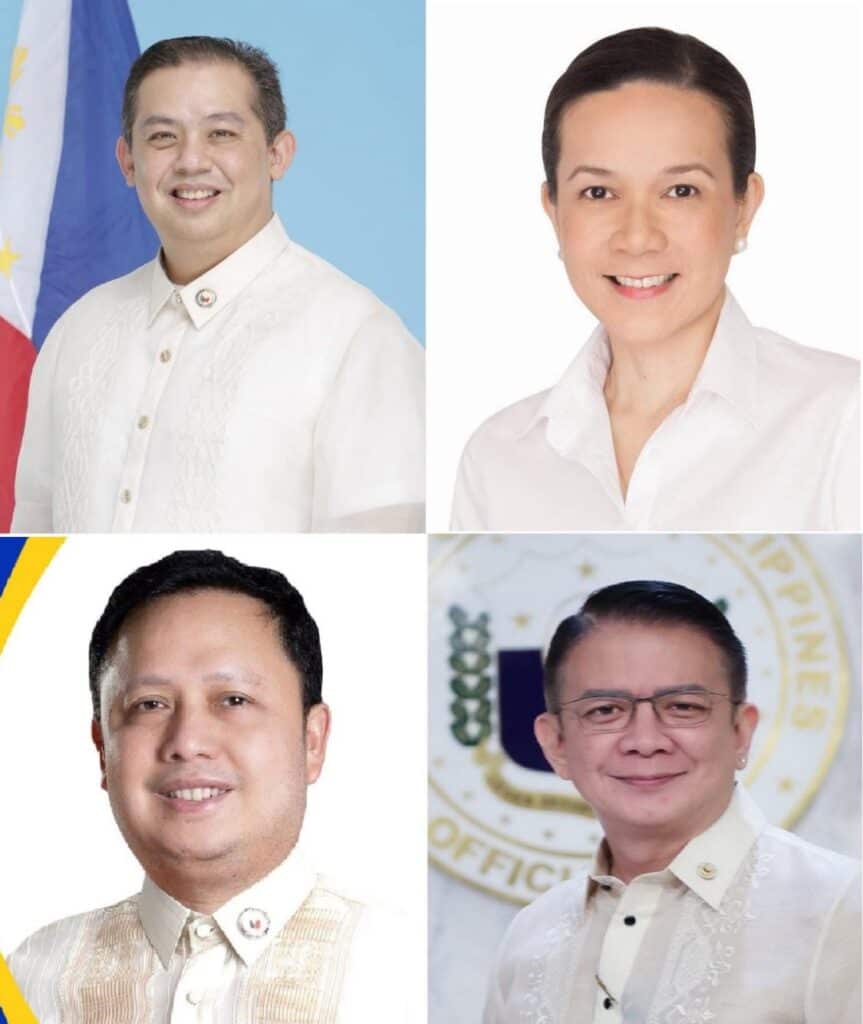
This raises the issue of political will. Former Speaker Martin Romualdez, Former Senator Grace Poe, then House Appropriations Chairman Zaldy Co, and then Senate President Chiz Escudero, all seen in the current debate, carry both the burden and the opportunity to reset the standards of transparency.
The question is not whether the Blue Ribbon should stop with the ICI now in place. Rather, it is whether both institutions can rise above political accommodation and genuinely collaborate in pursuit of truth. The people have long been spectators of hearings that end with noise but little reform. This time, the convergence of legislative inquiry and independent investigation could mark a real turning point.
Sources: Senate of the Philippines official livestream, RepublicAsia, public social media posts.
Photo Credits: Senate livestream screengrab, RepublicAsia, official congressional portraits.
Disclaimer: This article reflects the author’s analysis based on available reports and public sources. It does not represent the official position of any organization.
About the Author: Ray G. Talimio Jr. is a Certified Public Accountant and a veteran columnist on governance, economic policy, and public accountability. He is Past President and Past Chairman of the Board of the Cagayan de Oro Chamber of Commerce and Industry Foundation Inc. (Oro Chamber), Past Co-Chairman of the Economic Development Committee of the Regional Development Council Region X, and Past Chairman of the MSME Development Council of Misamis Oriental and Cagayan de Oro from 2022 to 2025. He currently serves as a National Officer of the Philippine Institute of Certified Public Accountants (PICPA), after having served as its Past Senior Regional Director and Past Chapter President. He is a staunch advocate for MSME development, regional economic integration, and good governance, and served as BIMP-EAGA Chairperson from 2023 to 2025. He is also a strong proponent of BIMP-EAGA cooperation and public private partnerships.
###