

From the Sidelines
By: Ray G. Talimio Jr.
“DPWH’s Commitment to Restore the Buda Road Within Months”
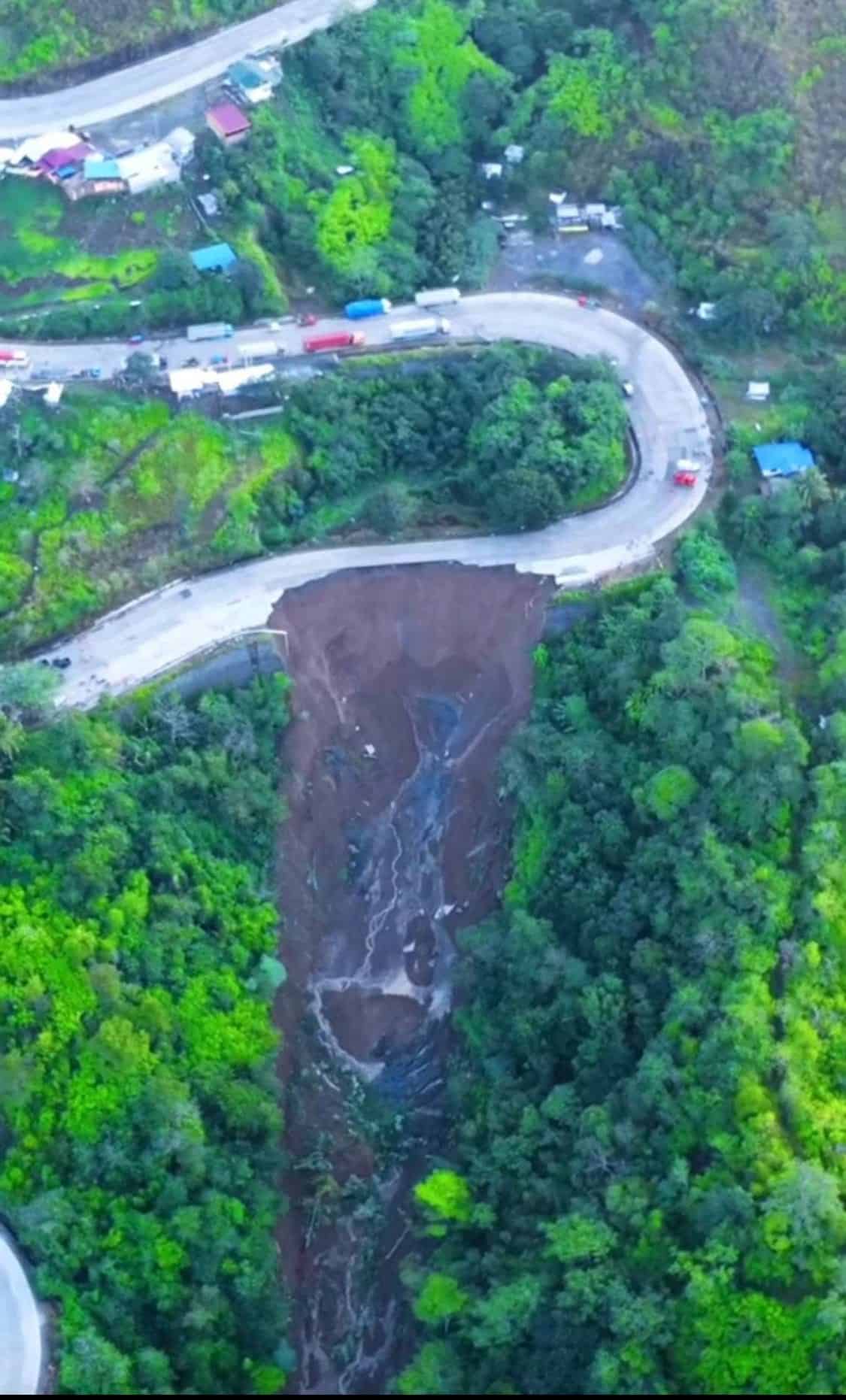
The massive landslide that swallowed a section of the Bukidnon-Davao City (Buda) Road in Barangay Palacapao, Quezon, Bukidnon last October 18, 2025, is more than a natural tragedy. It is a stark reminder of engineering neglect, weak project supervision, and the recurring suspicion of corruption that continues to haunt public works in Mindanao. The disaster has cut off one of the region’s most vital transport arteries, causing an estimated one million pesos in daily business losses as deliveries, logistics, and trade grind to a halt.

The urgent task now falls on the Department of Public Works and Highways (DPWH) to act decisively. The damage is not superficial; it exposes a systemic failure to adapt infrastructure to Mindanao’s terrain. The collapsed portion has left a gaping reminder that slope protection and drainage are not enough in a mountain range as geologically fragile as Bukidnon’s highlands.
The immediate question is whether DPWH can mobilize a 24-hour, seven-day restoration effort to reopen the road at least partially to traffic. Business owners and logistics operators in Bukidnon, Davao, and Misamis Oriental report mounting losses and delays, particularly for perishable goods and agricultural produce. The situation calls for an emergency engineering response similar to those undertaken after major disasters, with round-the-clock clearing, soil stabilization, and slope reinforcement.

However, with the main corridor closed, motorists are forced to take longer alternate routes that significantly increase travel time and cost. The Tagum City route via Valencia City and Talaingod stretches to about 340 kilometers, adding one to two hours of travel and roughly ₱1,500 to ₱2,000 in additional vehicle cost per trip. The Cotabato-Carmen route through Kidapawan and Digos City extends travel by approximately 170 kilometers with an estimated two to three additional hours, translating to ₱2,000 to ₱3,000 in extra cost per vehicle, particularly for cargo trucks. Meanwhile, the Trento-Butuan City route, measuring about 142 kilometers, adds one to two hours and an estimated ₱1,000 to ₱1,500 in additional fuel and operational expenses. For commercial fleets and passenger buses running multiple trips daily, the cumulative losses can easily exceed several hundred thousand pesos per day.
For buses, a stop-gap “transfer scheme” has been implemented where passengers disembark near the affected area, cross on foot, and board another bus on the opposite side. While this may temporarily allow travel continuity, it also raises serious safety concerns. The area remains unstable and prone to further collapse. Heavy rains could trigger additional landslides, making the terrain slippery and dangerous. Passengers carrying large luggage, children, or elderly companions are particularly at risk. The absence of covered walkways, lighting, and secured footing makes this a clear public safety hazard.
This situation must be immediately studied by DPWH, the Department of Transportation, and local disaster authorities. A geotechnical investigation should determine whether the remaining section of the slope can still hold or if a full relocation or tunnel alternative is required. If the foundation continues to weaken, the entire section may give way, endangering both passengers and rescue personnel.

Beyond immediate repairs, this tragedy highlights a deeper problem in road planning. For a major inter-regional highway like the Bukidnon-Davao City Road, maintaining only two lanes is no longer acceptable. With growing traffic volume from agriculture, tourism, and logistics, a two-lane setup limits capacity, slows relief efforts during calamities, and increases accident risks. DPWH must prioritize the widening of national highways to four lanes, supported by reinforced retaining walls, drainage, and where feasible, tunnels to ensure long-term safety and connectivity.
In countries like Italy, Switzerland, and Japan, tunnel systems have become standard solutions to bypass geologically unstable slopes. Building tunnels may appear expensive, but the cost of repeated collapses, road closures, and lost lives is far greater. This is the level of infrastructure foresight that Mindanao deserves.
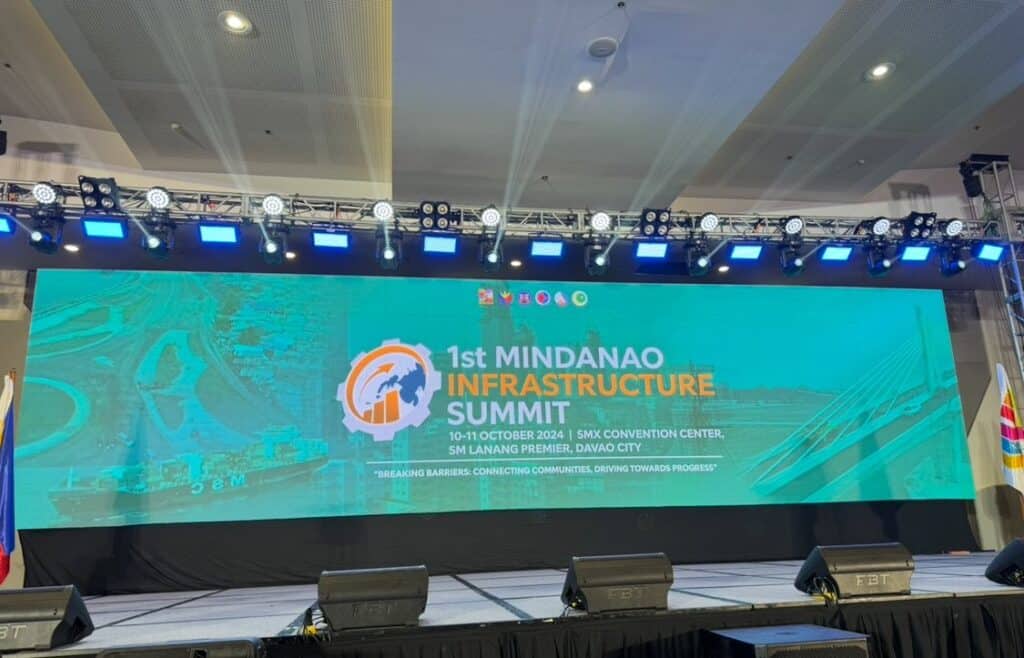
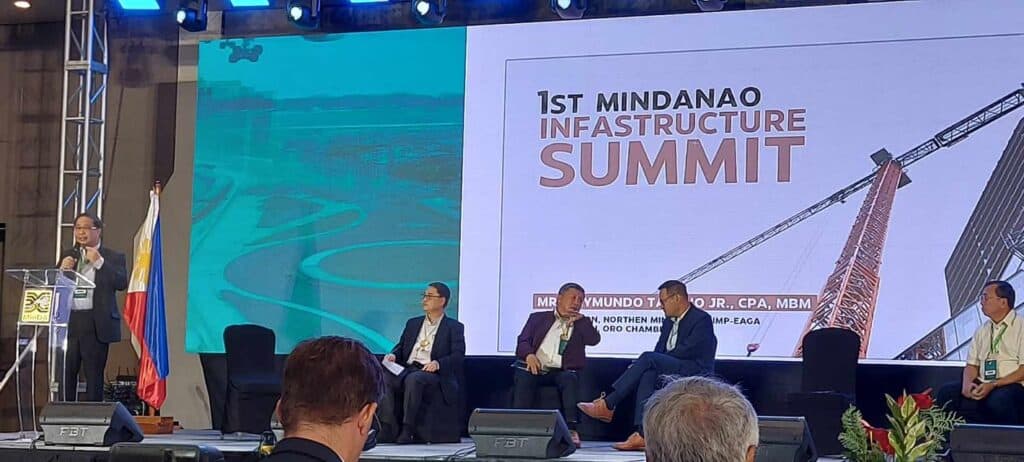
The upcoming 2nd Mindanao Infrastructure Summit in Cagayan de Oro provides DPWH Secretary Vince Dizon an opportunity to address these concerns head-on. Can DPWH guarantee a transparent 24-hour reconstruction program for the Buda section? Will it commit to geotechnical transparency, publish contractor information, and disclose soil stability results? Will the department explore tunnel construction and highway expansion to replace risky mountain roads with safer, long-term designs?
Mindanao’s connectivity defines its growth. The region deserves not just quick fixes but durable, world-class solutions built with transparency and integrity. Until DPWH proves it can combine engineering excellence with public accountability, every landslide will continue to erode not only our roads but public trust itself.
Sources:
Local government and media reports, DPWH advisories, on site assessments
Photo Credits:
Contributed aerial and ground images of the Buda landslide site, Quezon, Bukidnon
Disclaimer:
This article is based on verified field reports as of October 19, 2025. Updates on rescue and recovery operations will be incorporated as information becomes available.
About the Author:
Ray G. Talimio Jr. is a Certified Public Accountant and a veteran columnist on governance, economic policy, and public accountability. He is Past President and Past Chairman of the Board of the Cagayan de Oro Chamber of Commerce and Industry Foundation Inc. (Oro Chamber), Past Co Chairman of the Economic Development Committee of the Regional Development Council Region X, and Past Chairman of the MSME Development Council of Misamis Oriental and Cagayan de Oro from 2022 to 2025. He currently serves as a National Officer of the Philippine Institute of Certified Public Accountants (PICPA), after having served as its Past Senior Regional Director and Past Chapter President. He is a staunch advocate for MSME development, regional economic integration, and good governance, and served as BIMP EAGA Chairperson from 2023 to 2025.
#mindanaoinfrastructuresummit#bukidnondavaoroad#DPWH#MindanaoTunnels