

From the Sidelines
By: Ray G. Talimio Jr.
“Why the ₱500K Withdrawal Rule Is Both a Safeguard and a Strain”
The Bangko Sentral ng Pilipinas (BSP) has officially implemented a policy limiting over-the-counter cash withdrawals to ₱500,000 per banking day unless subjected to enhanced scrutiny. Enshrined under Circular No. 1218 and approved by the Monetary Board on September 18, 2025, this move aligns local banking protocols with the Anti-Money Laundering Act (AMLA), where cash transactions above ₱500,000 in a single day are already considered “covered transactions.” As of early October, this new operational cap is being enforced across banks nationwide.
From an anti-money laundering (AML) perspective, the rule is sound. It compels banks to perform tighter due diligence on large cash transactions, enhances the traceability of funds, and discourages the unchecked movement of physical cash that may be used for illicit purposes. Moreover, it encourages the use of digital payments, interbank transfers, and other traceable channels in a banking system that has long been criticized for its reliance on cash.
Yet for business owners operating in cash-heavy industries, especially agriculture and wet market trades, the rule poses a real burden. On harvest days or major procurement cycles, buyers dealing directly with farmers often need to withdraw large amounts in cash. If banks do not equip their branches with responsive enhanced due diligence procedures, this can cause liquidity delays, disrupt supply chains, and discourage depositors from trusting the formal banking system in the first place. In short, financial inclusion may be inadvertently weakened.
A common question raised by traders and business owners is: Why ₱500,000 and not ₱1 million? The answer lies in legal alignment and risk control. Under Section 3(b) of AMLA, cash transactions exceeding ₱500,000 in one banking day are already classified as covered transactions, meaning they must be automatically reported to the Anti-Money Laundering Council. Setting the counter withdrawal cap at this level ensures that monitoring is triggered at the same point where mandatory reporting kicks in. Raising the cap to ₱1 million would create a gap between what the law requires to be reported and what banks are required to scrutinize operationally.
The ₱500,000 threshold also aligns with global AML frameworks when adjusted for local conditions. For instance, the United States imposes mandatory reports for cash transactions above USD 10,000, Australia at AUD 10,000, and the EU at EUR 10,000. India uses tax penalties and procedural limits to discourage large cash use. Given the Philippines’ average income level and cash-heavy rural economy, ₱500,000 serves as a realistic trigger point for regulatory controls while remaining feasible for ordinary large-volume transactions.
To adapt, Filipino businesses must now consider new workflows. These include using bank transfers or checks to pay farmer cooperatives, preparing transaction histories in advance to support large cash needs, and maintaining clear audit trails that match withdrawals to purchase orders and deliveries. For those managing seasonal or cyclical cash flows, advance coordination with their bank branch is crucial to avoid delays. Legal workarounds such as splitting withdrawals across branches or accounts should be approached with caution, as they may flag suspicious activity.
Ultimately, the rule serves a valid policy goal. But its success depends on whether banks can bridge the gap between compliance and client support. A rigid system without accommodation for real-world transactions only pushes more actors to operate outside its boundaries. The BSP has made its move to tighten cash oversight. The next move rests with the banks, and whether they will help keep legitimate business in the fold or inadvertently push it into the shadows.
Sources:
• BSP Circular No. 1218
• Republic Act No. 9160 (AMLA), as amended
• AML rules in US, AUSTRAC regulations, EU AML Directives, India Income Tax Act provisions
Photo Credits:
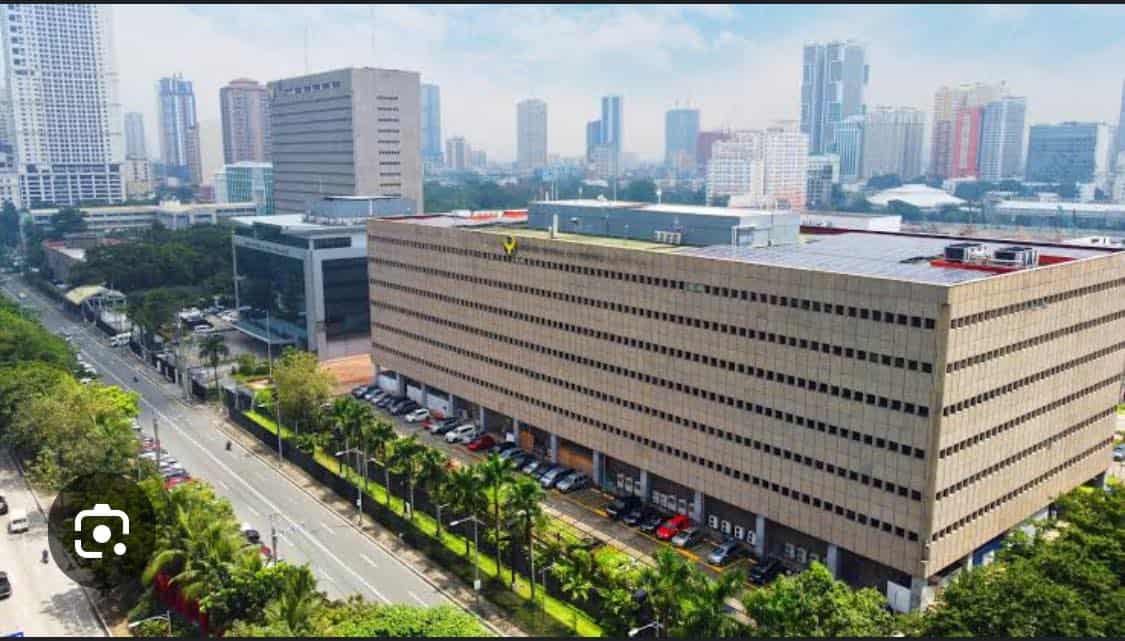
Aerial view of Bangko Sentral ng Pilipinas Main Office, Manila (© Philippine Realty Group or official BSP publication source)
Disclaimer:
This article provides a general policy commentary and does not constitute legal or financial advice. Businesses are encouraged to consult their banks or compliance officers for case-specific guidance.
About the Author:
Ray G. Talimio Jr. is a Certified Public Accountant and a veteran columnist on governance, economic policy, and public accountability. He is Past President and Past Chairman of the Board of the Cagayan de Oro Chamber of Commerce and Industry Foundation Inc. (Oro Chamber), Past Co‑Chairman of the Economic Development Committee of the Regional Development Council Region X, and Past Chairman of the MSME Development Council of Misamis Oriental and Cagayan de Oro from 2022 to 2025. He currently serves as a National Officer of the Philippine Institute of Certified Public Accountants (PICPA), after having served as its Past Senior Regional Director and Past Chapter President. He is a staunch advocate for MSME development, regional economic integration, and good governance, and served as BIMP-EAGA Chairperson from 2023 to 2025.
###