
From the Sidelines
By: Ray G. Talimio Jr.
“From Garbage Mountains to Lawful Waste Systems”
The Binaliw landfill collapse in Cebu City is a brutal reminder that solid waste is not just an environmental problem. It is a governance problem, a safety problem, and a compliance problem. Republic Act No. 9003 (RA 9003), or the Ecological Solid Waste Management Act of 2000, did not envision landfills becoming default dumping grounds for everything a city throws away. Its framework is clear in principle. Waste must be reduced, segregated, recovered, and processed. The landfill is meant to be the final destination for what remains after those steps are done, mainly residual waste.
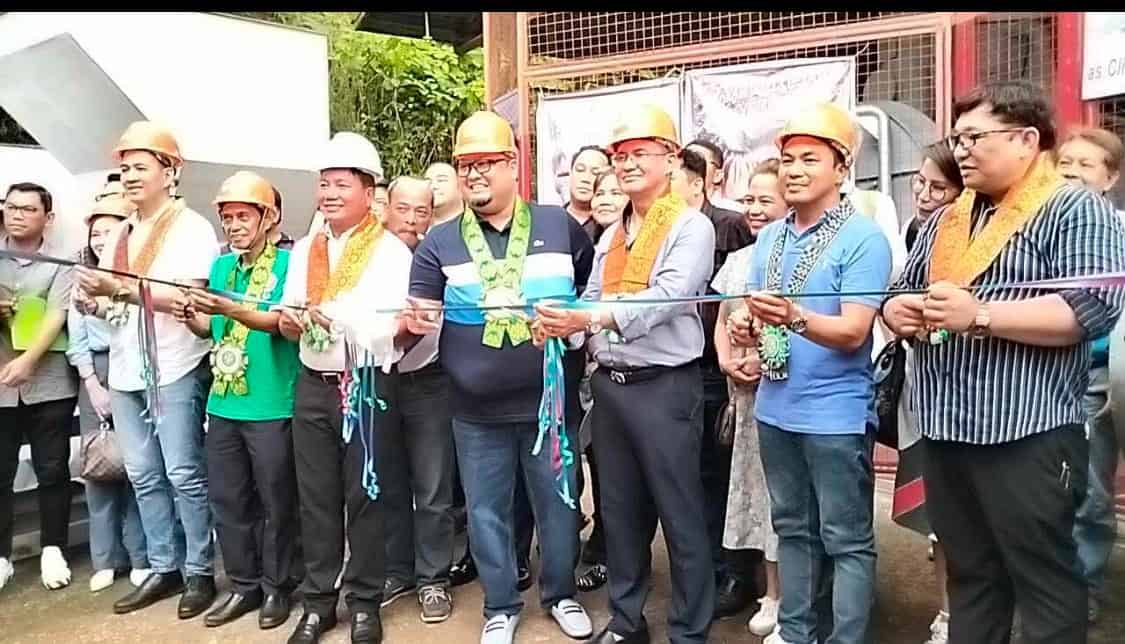
In practice, many local government units (LGUs) still operate backward. Collection systems often mix biodegradables, recyclables, and residuals, then deliver the combined volume to disposal sites. This guarantees that landfill piles grow faster than engineering controls can safely manage. It also undermines the logic of RA 9003, because the landfill is supposed to shrink in importance as segregation, composting, recycling, and materials recovery facilities expand.
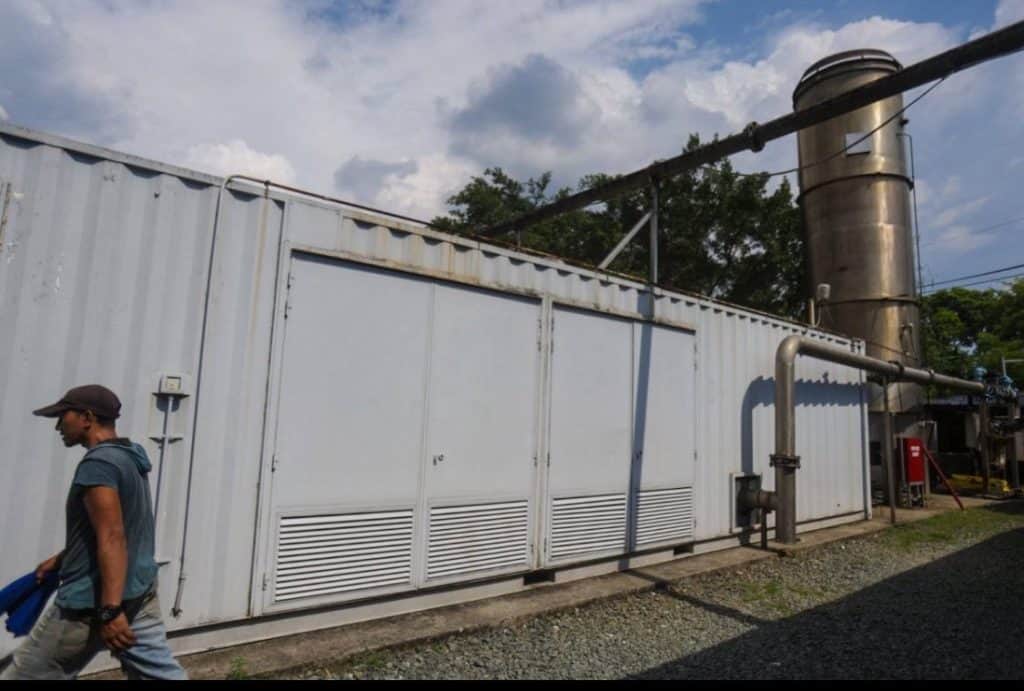
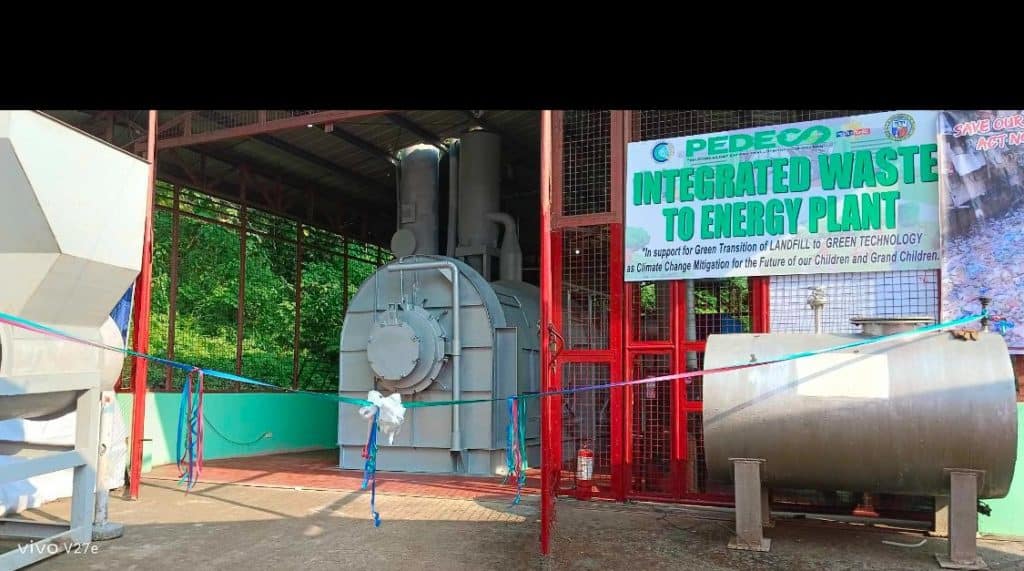
This is where Waste-to-Energy (WTE) becomes part of the conversation, but only if it is positioned correctly. WTE should not be treated as a shortcut that encourages more waste. It is best discussed as a technology option for non-recyclable fractions after strict segregation, with clear environmental performance standards and transparent monitoring. The Philippines already has landfill gas-to-energy and thermal waste processing initiatives that show the concept can work locally when properly regulated.
However, WTE facilities are investment-intensive. This makes Public-Private Partnerships (PPP) a practical pathway for LGUs that lack the financial and technical capacity to develop such projects on their own. Through PPP, the private sector can provide capital, technology, and operational expertise, while government ensures compliance with environmental, health, and safety standards. This model allows modern waste solutions to be implemented without overburdening public finances.
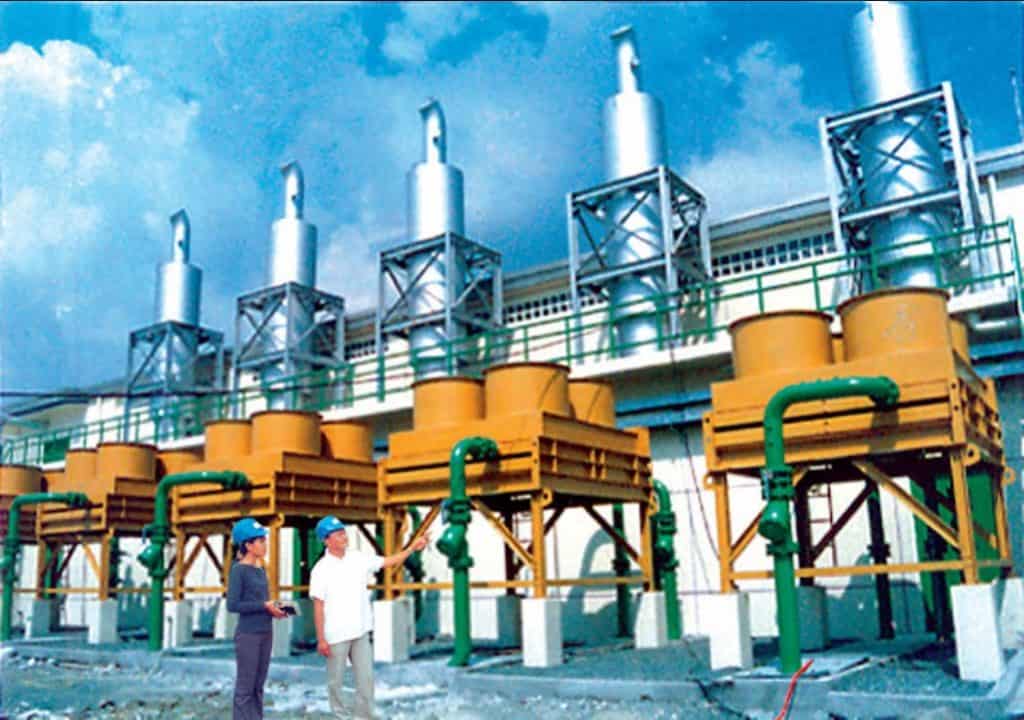
There is also a growing case to revisit RA 9003’s blanket exclusion of incineration. When the law was enacted in 2000, incineration technology was associated with high pollution risks. Today, many countries use advanced thermal treatment systems with strict emission controls, real-time monitoring, and safer waste handling. A policy review that distinguishes outdated incineration from modern, clean WTE systems can help align Philippine regulations with global best practices.
If Cebu City and other urban centers want to prevent another Binaliw, the reforms are clear. Enforce segregation at source, limit landfill intake to residual waste, strengthen engineering standards, and seriously invest in modern waste processing. RA 9003 already provides the direction. What is needed now is political will, updated policy tools, and strategic partnerships to make compliance both practical and sustainable.
Sources: Republic Act No. 9003, Ecological Solid Waste Management Act of 2000
SunStar Cebu, December 22, 2025
Philippine News Agency, June 29, 2023
Manila Standard, July 4, 2023
The Manila Times, June 6, 2024
Photo Credits: Manila Standard, July 4, 2023
The Manila Times, June 6, 2024
Pilipino Reporter’s Hot sa Balita, July 24, 2008
Disclaimer: This article is for public information and commentary purposes only. Facts are based on publicly available sources cited above.
About the Author: Ray G. Talimio Jr. is a Certified Public Accountant and veteran columnist on governance, economic policy, and public accountability. He is Past President and Past Chairman of the Board of the Cagayan de Oro Chamber of Commerce and Industry Foundation Inc. He served as Co-Chairman of the Economic Development Committee of the Regional Development Council Region X and as Chairman of the MSME Development Council of Misamis Oriental and Cagayan de Oro from 2022 to 2025. He currently serves as a National Officer of the Philippine Institute of Certified Public Accountants after having served as its Past Senior Regional Director and Past Chapter President. He served as BIMP-EAGA Chairperson from 2023 to 2025. He is a staunch advocate of MSME development, regional economic integration, good governance, and public private partnerships.