
By CHRIS V. PANGANIBAN
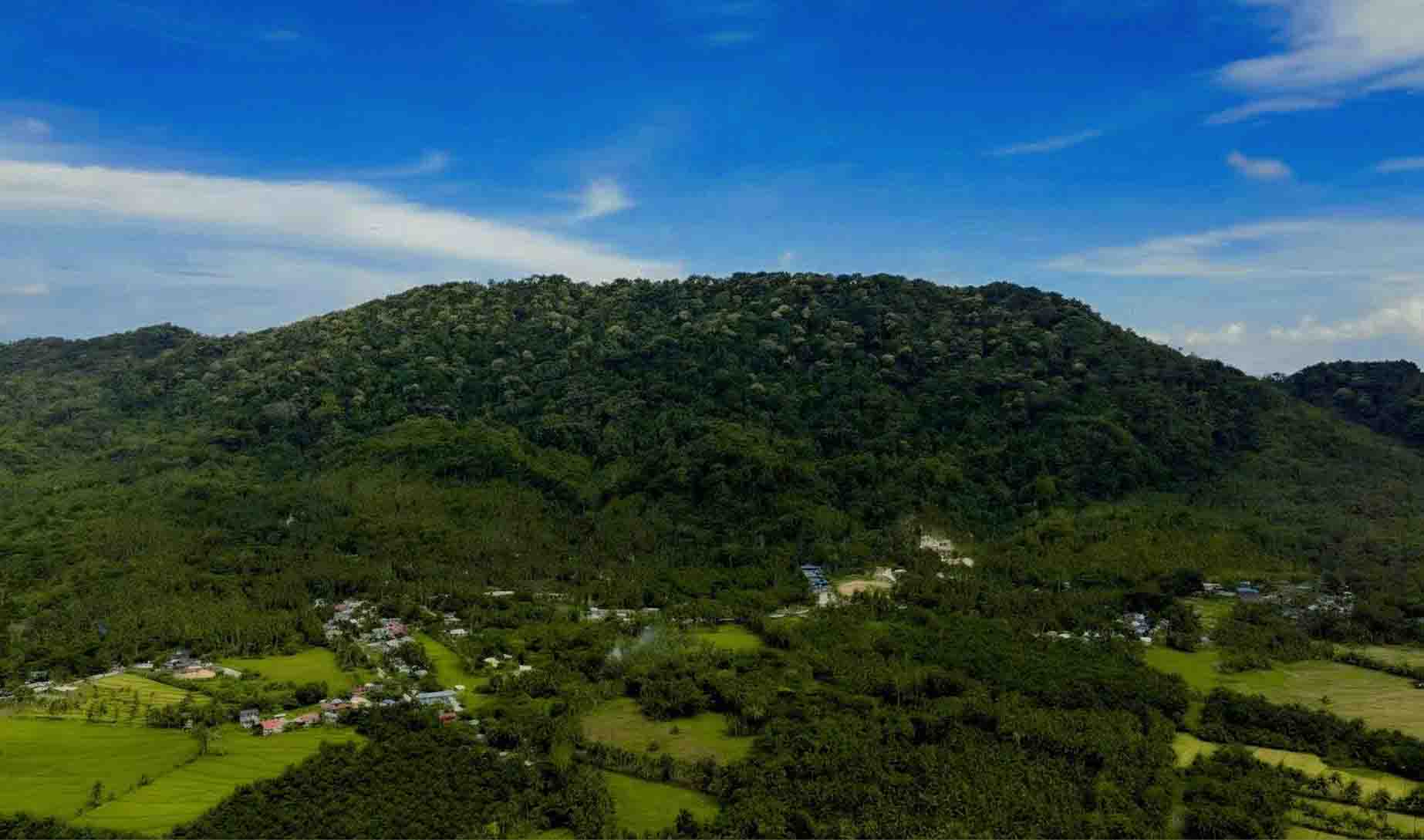
SAN FRANCISCO, Agusan del Sur — Visitors to Mt. Magdiwata Forest Reserve are witnessing an extraordinary natural spectacle: the mountain is blanketed in pale cream-white blossoms that, from afar, resemble clusters of giant cauliflowers.
According to a post by Green-Collar Consulting Services (GCS), an environmental consulting firm on May 26, 2026, the phenomenon, known as “masting,”is a rare synchronized mass flowering event among Dipterocarpaceae tree species such as White Lauan, Bagtikan, Mayapis, Almon, and Yakal.
Occurring unpredictably every four to ten years, GCS noted that masting plays a crucial role in the regeneration and survival of the mountain’s indigenous trees, many of which are now considered vulnerable or critically endangered.
GCS has been focused on sustainable forest and ecosystem management.
Mt. Magdiwata, located in San Francisco, Agusan del Sur, was once a critically endangered watershed.
Studies in 1997 showed only 695 hectares of natural forest remaining, or about 54 percent of its total 1,658-hectare area. After decades of rehabilitation spearheaded by the San Francisco Water District (SFWD), the watershed has now recovered to nearly 97 percent forest cover, approaching full restoration.
The success stems from concerted efforts to regenerate open grasslands, protect indigenous species, and curb illegal logging, encroachment, and unsustainable farming.
Elmer Luzon, SFWD General Manager, noted that the current masting event is slightly more noticeable than usual, reflecting the accelerated regeneration of native trees thanks to the strict protection measures enforced in recent years.
The Mt. Magdiwata watershed is also critical to the livelihoods of around 6,000 households, serving as their main source of potable water. Recognized as a permanent watershed and forest reserve under Presidential Proclamation No. 282 in 1993, it has become a model for sustainable forest management in the region.
A 2025 Caraga State University study noted the mountain as a biodiversity haven, home to rare and endemic species such as the Philippine Trogon, locally known as the “Ibong Adarna.” The study cited the forest’s improvement from 54 percent to 97 percent coverage, marking a remarkable turnaround for a once-threatened ecosystem.
From a depleted and endangered mountain to a flourishing forest, Mt. Magdiwata now stands as a symbol of successful watershed restoration in Agusan del Sur.
Experts and local authorities’ credit sustained local protection, reforestation, and active community involvement for bringing back a forest that was once feared lost. “Forest is life,” GCS emphasized in its post, urging continued vigilance to protect the mountain and ensure that future generations can enjoy this rare natural spectacle and the ecosystem it supports.
###