

From the Sidelines
By: Ray G. Talimio Jr.
“On the need for an independent commission to investigate anomalous flood control projects”
The recent disclosures on flood control projects running into billions of pesos have shocked the public conscience. House leaders themselves now admit that the allocations and the manner of their release raise serious questions of propriety and legality. Deputy Speaker Ronaldo Puno, in a press conference, went as far as recommending the return of the proposed 2026 budget to the Department of Budget and Management, citing serious problems in its preparation and presentation. He emphasized that they did not want to be suspected of irregular actions or accused of altering the National Expenditure Program by errata. Rep. Tobias Tiangco also revealed that P17 billion in flood control allocations were linked to the former House Appropriations Committee chair, which further underscores the red flags in the budget process.
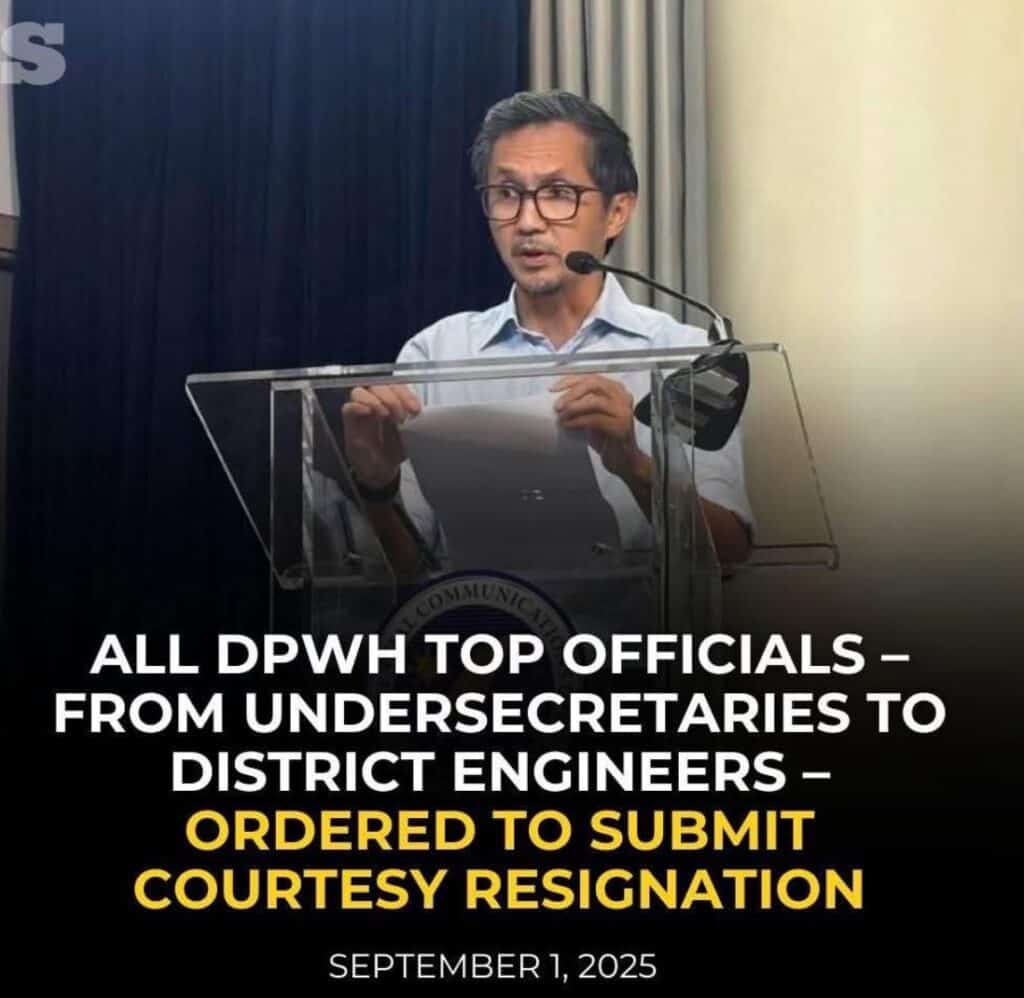
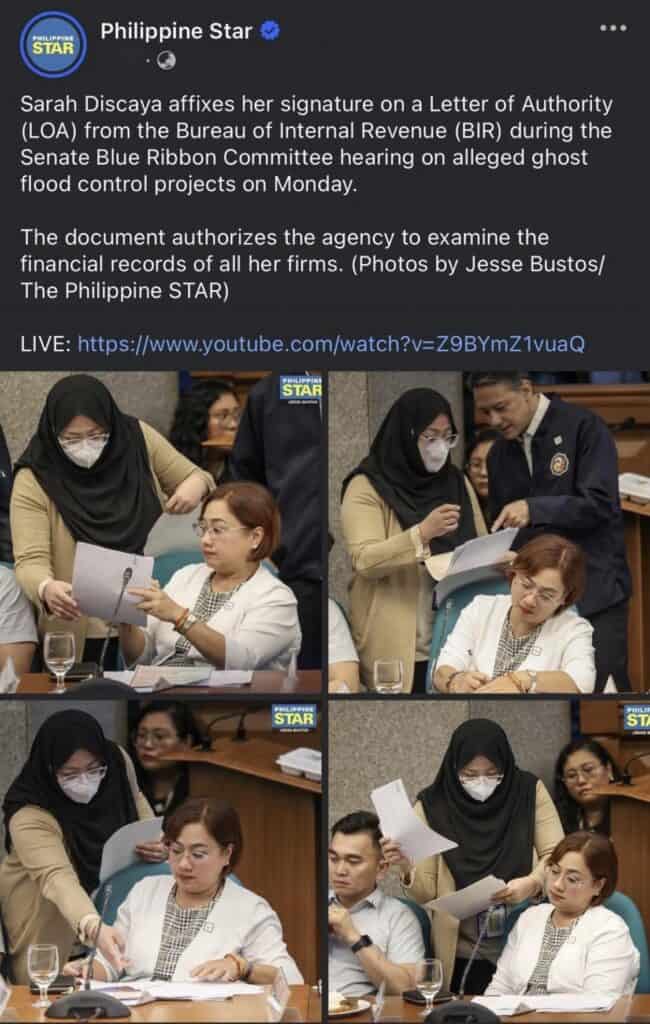
The Commission on Audit has already flagged questionable practices, but its constitutional mandate is essentially post-audit. Unfortunately, prevention is not its cup of tea. Its recourse is limited to notices of disallowance, directives for the return of funds, and recommendations for the filing of cases in instances of non-compliance, among others. The Office of the Ombudsman and the Department of Justice are expected to pursue accountability, while the Bureau of Internal Revenue has already stepped in to investigate possible tax liabilities of contractors. Yet the new DPWH chief himself has openly admitted that a department cannot credibly investigate itself. This is precisely the reason why an independent commission must be created, with full powers to summon witnesses, scrutinize documents, and make its findings public.
It is worth asking why some of the alleged ghost projects, even those that were fully paid, managed to pass COA’s scrutiny. Former DPWH Secretary Manuel Bonoan has already confirmed that there were indeed ghost projects that received full payment, which makes the issue even more alarming. The answer lies in the limits of COA’s mandate. COA operates on a post-audit basis, which means that funds may already have been disbursed by the time irregularities are checked. Auditors often rely on documentary submissions from implementing agencies and contractors, which can be fabricated to appear complete and regular. With limited manpower compared to the scale of DPWH projects, not every item can be inspected on the ground in real time. Worse, when collusion occurs among officials and contractors, ghost projects can slip through the cracks until whistleblowers or special audits bring them to light. This shows that while COA can issue disallowances and recommend cases, it cannot prevent fraudulent projects before payments are made.
It must also be stressed that the primary responsibility lies with the implementing agencies themselves. From planning to procurement, up to implementation and payment, the agency has full discretion and the duty to ensure compliance before certifying completion and releasing funds. COA does not remove this accountability but only steps in afterward to validate transactions. Its recourse is to issue notices of disallowance, direct the return of funds, or refer cases to the Ombudsman when corruption is suspected, among others. While COA auditors have limits, many of them continue to perform their role diligently under difficult circumstances. The real safeguard should begin with agencies that hold the funds, for they are the first protectors of public resources.
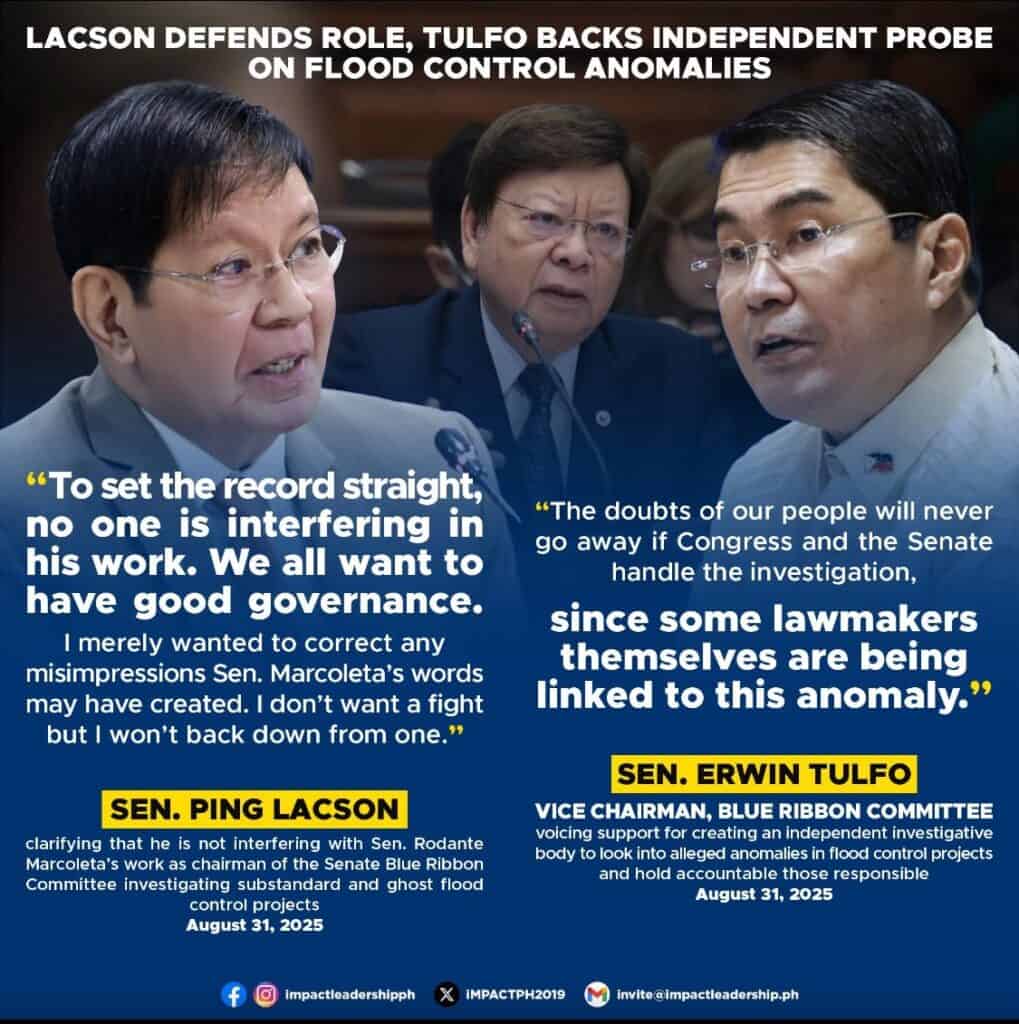
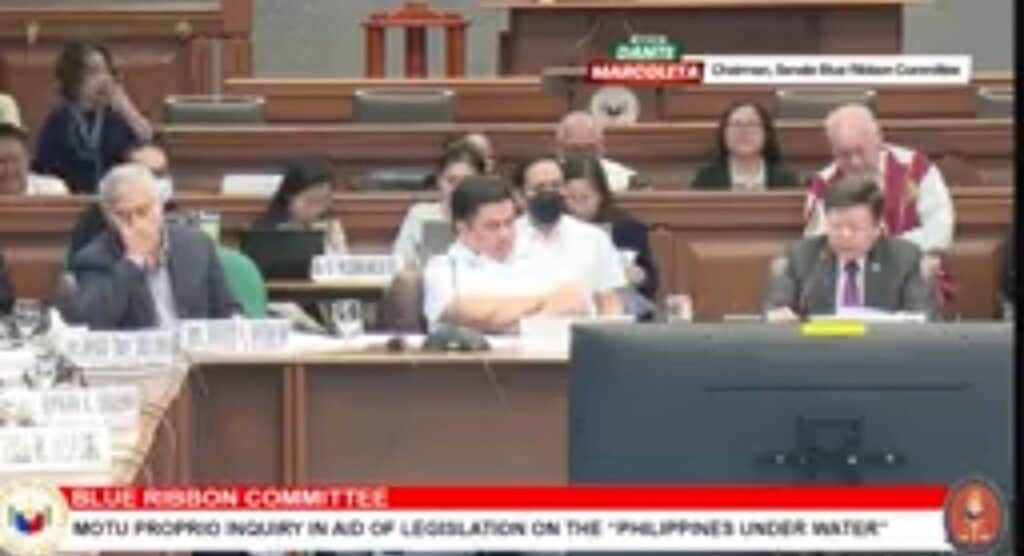
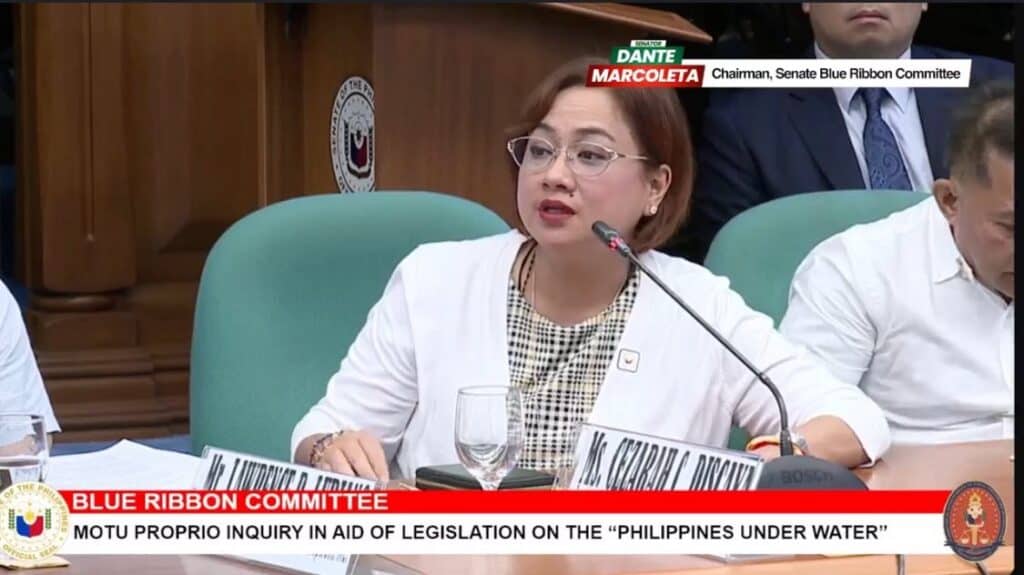
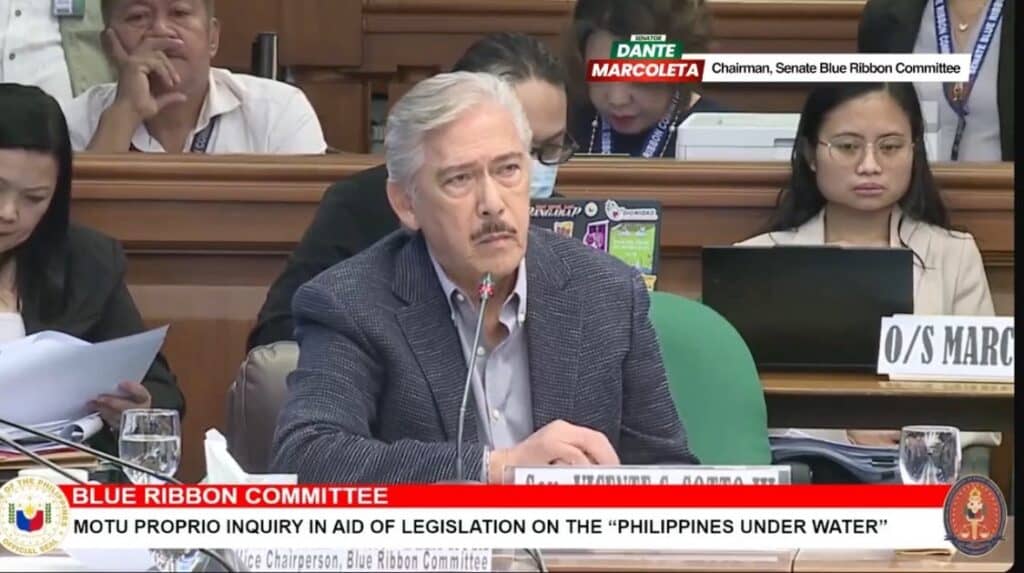
The Senate’s Blue Ribbon Committee has already achieved milestones in the two hearings it has held, uncovering disturbing links between questionable allocations and the misuse of bicameral proceedings. At the same time, the House TriCom has been criticized for refusing to call one of its own members to testify or even appear as a resource person. Unfortunately, the Senate inquiry will also run into a blank wall once it reaches the point of needing to summon the former House Appropriations Committee chair. Interparliamentary courtesy, a deeply ingrained practice, will prevent the Blue Ribbon Committee from compelling such testimony. This is where the limits of Congress become clear and why only an independent commission, free from the constraints of political courtesies and partisan considerations, can push the investigation to its logical end.
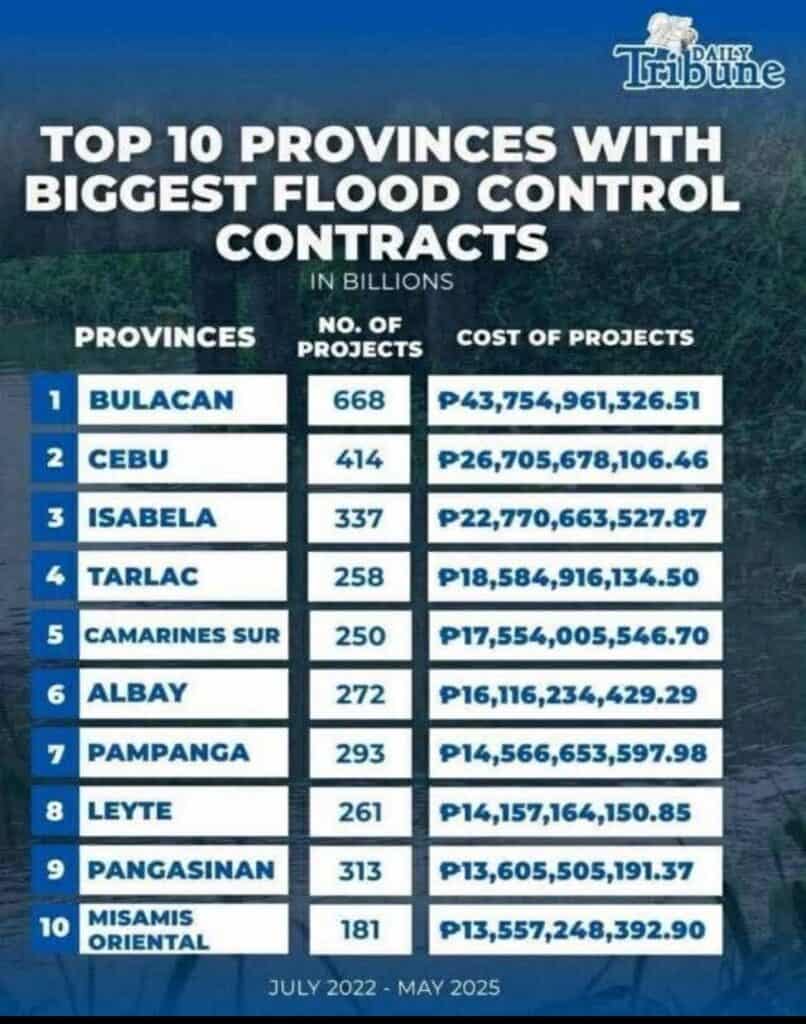
Mr President, if you are indeed serious in cleansing the flood control program, now the largest single item in the public works budget, then the creation of this commission should not wait. It must be chaired by respected figures whose track records are beyond reproach, not by appointees beholden to political patrons. Its composition should include representatives from the judiciary, the Commission on Audit, civil society, the academe, and the religious sector. The balance, however, must tilt toward the private sector, with its representatives outnumbering those from government. Only with such credibility can the people trust that the truth will be uncovered.
The Office of the President is already drafting an Executive Order that will create the Independent Commission, akin to the Agrava Fact-Finding Commission and the Truth Commission. This development is a welcome step, but its success will depend on the credibility of its members and the independence of its mandate. It must not be another political exercise but a genuine effort to restore public trust and demand accountability where it has long been evaded.
As a citizen and as a public advocate, I simply offer my willingness to serve if called upon. My experience in governance, accountancy, and public accountability has been shaped by decades of involvement in chambers of commerce, professional organizations, and regional development councils. More importantly, I carry with me the voice of ordinary taxpayers who deserve answers. If those who had access to these projects betrayed the public trust, then the people must be given the power to uncover it.
Flood control is supposed to be a shield against disaster, not a source of disaster in itself. An independent commission, if truly empowered and independent, can finally provide the reckoning that our citizens demand. Mr President, history will judge not only those who stole, but also those who failed to act. The time to act is now.
Sources: House of Representatives Press Briefings, The Manila Times, Commission on Audit Reports, Ombudsman advisories, Department of Justice and Bureau of Internal Revenue statements, Senate Blue Ribbon Committee proceedings, DPWH statements by former Secretary Manuel Bonoan
Photo Credits:
Philippine News Agency, House of Representatives, Senate of the Philippines, DPWH Official Page
Disclaimer: This article reflects the personal opinion of the columnist based on publicly available reports and official statements. Readers are encouraged to verify facts with updated government releases and independent sources.
About the Author: Ray G. Talimio Jr. is a Certified Public Accountant and a veteran columnist on governance, economic policy, and public accountability. He is Past President and Past Chairman of the Board of the Cagayan de Oro Chamber of Commerce and Industry Foundation Inc. (Oro Chamber), Past Co-Chairman of the Economic Development Committee of the Regional Development Council Region X, and Past Chairman of the MSME Development Council of Misamis Oriental and Cagayan de Oro from 2022 to 2025. He currently serves as a National Officer of the Philippine Institute of Certified Public Accountants (PICPA), after having served as its Past Senior Regional Director and Past Chapter President. He is a staunch advocate for MSME development, regional economic integration, and good governance, and served as BIMP-EAGA Chairperson from 2023 to 2025. He is also a strong proponent of BIMP-EAGA cooperation and public private partnerships.
###