

From the Sidelines
By: Ray G. Talimio Jr.
“Rising congestion threatens to stall Cagayan de Oro City’s lead role in the Metro Cagayan de Misamis vision”
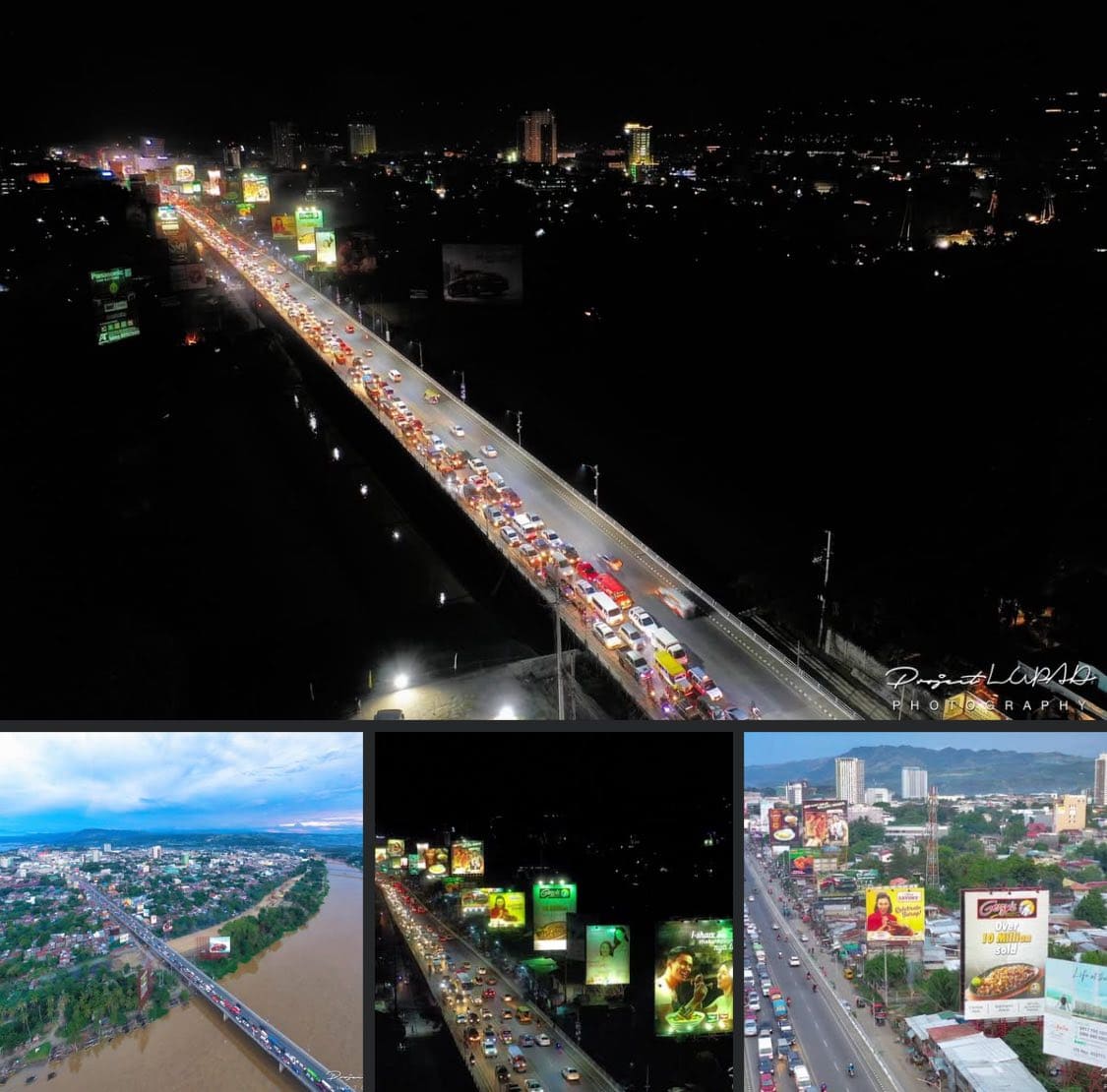
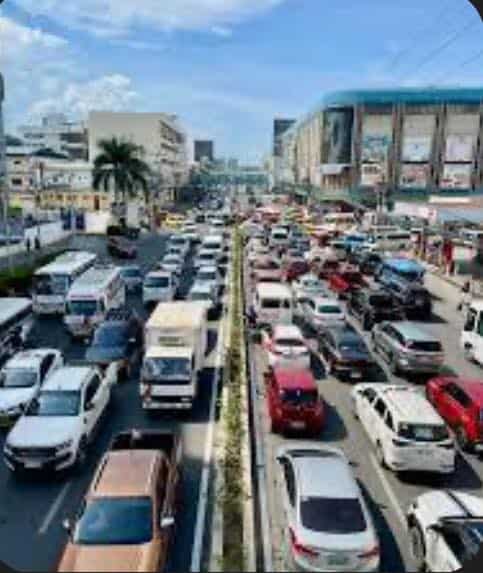
Cagayan de Oro City stands at the heart of the proposed Metro Cagayan de Misamis, envisioned to become a major driver of regional growth, urban modernization, and logistics connectivity in Northern Mindanao. However, the day-to-day reality on its roads tells a different story. As congestion intensifies, the City faces increasing pressure to address mobility and traffic management concerns that now affect commerce, commuter efficiency, and quality of life.
To sustain its developmental momentum, the City Government may consider both immediate and long-term measures. One actionable intervention is the implementation of a daytime truck ban on city roads from 6 AM to 10 PM, particularly in heavily used corridors. This would help reduce road congestion caused by cargo vehicles during working hours. Exemptions may be allowed for deliveries of perishable and essential goods, while heavy vehicles may be rerouted through the Coastal Road and designated alternate routes.
Another potential strategy is the piloting of a number coding system for private vehicles, particularly in densely populated areas such as Divisoria, Lapasan, and Kauswagan. Modeled after the even odd schemes used in Metro Manila, such a system can help regulate traffic volume during peak hours, provided it is accompanied by stakeholder consultation, efficient enforcement, and adequate public transport options.
Improving traffic flow in major intersections remains essential. The Roads and Traffic Administration (RTA) may consider enhancing signalization, assigning additional marshals during congestion surges, and implementing responsive manual overrides in key areas like CM Recto, Puerto, and Vamenta Boulevard. Addressing road obstructions through consistent enforcement of anti illegal parking ordinances and sidewalk usage rules will likewise support smoother vehicular movement.
The City also needs to resolve lingering legal issues linked to a traffic light modernization project reportedly initiated under a previous administration. Whether procedural or contractual in nature, these matters must be resolved, compromised, or set aside where appropriate to allow the City Government to install an updated, responsive traffic signaling system that meets today’s urban requirements.
On the infrastructure front, City planners must accelerate the completion of the Coastal Road loop and open additional bypass roads connecting Uptown to coastal barangays. In tandem with this, developing intermodal transport terminals located outside the downtown area, such as those in Bulua and Puerto, will help reduce congestion in central business zones and commercial areas.
The City Government has already presented to the Regional Development Council Region X its interest in future integration into a Bus Rapid Transit (BRT) system. As verified by the Bangko Sentral ng Pilipinas’ April 2025 infrastructure flagship project list, the proposed BRT corridor will span approximately 25 kilometers and connect Laguindingan Airport, El Salvador, and Cagayan de Oro City. It will include dedicated bus lanes, bus stations, operations centers, and an automated fare collection system. The project is being pursued under a Public Private Partnership model, with the Department of Transportation as the implementing agency.
In parallel, the City is scheduled to fully implement its Local Public Transport Route Plan beginning June 3, 2025. This initiative will introduce more than 70 rationalized and new routes to decongest roads and improve urban mobility. Together, these transport reforms mark a strong move toward modernizing the City’s transit landscape.
City wide transport modernization should likewise be advanced. The introduction of eco friendly jeepneys, GPS monitored fixed route buses, and e vehicles for secondary roads may significantly improve commuting while helping reduce congestion. These improvements can serve as a backbone for future transit systems and align with national transport reform goals.
To manage these developments efficiently, Cagayan de Oro City would benefit from establishing a strong Urban Traffic Management Center, similar to those in Davao and Quezon City. A central command equipped with CCTVs, traffic sensors, and real time analytics would allow the City to monitor road activity, adjust signals, and respond swiftly to accidents or unexpected traffic build up. Such a digital platform can enhance responsiveness and policy coordination.
Urban planning must also address root causes of congestion. The clustering of public offices, schools, and commercial hubs in limited areas places heavy strain on specific road networks. To correct this, the City Government may consider a phased decentralization of offices and services, as well as the promotion of new growth zones across barangays such as Tablon, Bulua, and Upper Carmen. Future zoning approvals should include transport and congestion impact assessments.
To institutionalize these reforms, the existing City Traffic Code may be amended to reflect current conditions and support ongoing improvements. Updating this ordinance can help consolidate regulatory guidelines, designate truck routes, modernize enforcement tools, and support infrastructure investments. A Metro Cagayan Traffic Summit may also be convened to gather inputs from key stakeholders such as barangay leaders, mall and logistics operators, transport groups, and urban planners.
Finally, the City may consider publishing a quarterly traffic performance report. This would provide transparency and measurable updates on traffic conditions, enforcement efforts, and project milestones. A dedicated hotline or mobile application for reporting traffic issues can empower citizens to be part of the solution.
While traffic congestion presents a complex challenge, it can be addressed through evidence based planning, collaboration, and consistency. By implementing these solutions, Cagayan de Oro City can keep pace with its growth and continue playing its vital role in the Metro Cagayan de Misamis vision. Improved traffic management is more than just convenience, it is a foundation for inclusive, resilient, and sustainable progress.
Sources: RDC X briefings; DOTr; BSP Infrastructure Flagship Projects 2025; Inquirer News on LPTRP; City Development Plans; DPWH Northern Mindanao updates; COA reports on city infrastructure; comparative urban mobility frameworks from Davao, Quezon City, and Iloilo
Photo credits: Cagayan de Oro traffic scene, Ayala Centrio Mall vicinity (5114FE26-D545-4DD9-B096-BFCCAE357ADB.jpeg); Project LUPAD, aerial photos of Cagayan de Oro City traffic along Marcos Bridge and CM Recto Avenue (CA16EE41-60D8-475C-9C3A-ABB4F65C940C.jpeg)
Disclaimer: This article is written for public awareness and constructive policy dialogue. The views expressed herein are those of the author and do not reflect the official position of any government or private institution.
About the author:
Ray G. Talimio Jr. is Past President and Past Chairman of the Board of the Cagayan de Oro Chamber of Commerce and Industry Foundation Inc. (Oro Chamber); Co Chairman of the Economic Development Committee of RDC X; Chairman of the MSME Development Council of Misamis Oriental and Cagayan de Oro City; Chairman of BIMP EAGA for Northern Mindanao; National Officer, Past Senior Regional Director, and Past Chapter President of the Philippine Institute of Certified Public Accountants (PICPA); Advocate for MSME development, public accountability, regional infrastructure, and customs and trade facilitation reform.