

Fintech is using technology to make financing more accessible to small businesses, giving entrepreneurs greater opportunities to fund day-to-day operations and business expansion. By improving access to capital, fintech can help drive the growth of micro, small, and medium enterprises (MSMEs), which remain a vital part of the Philippine economy.
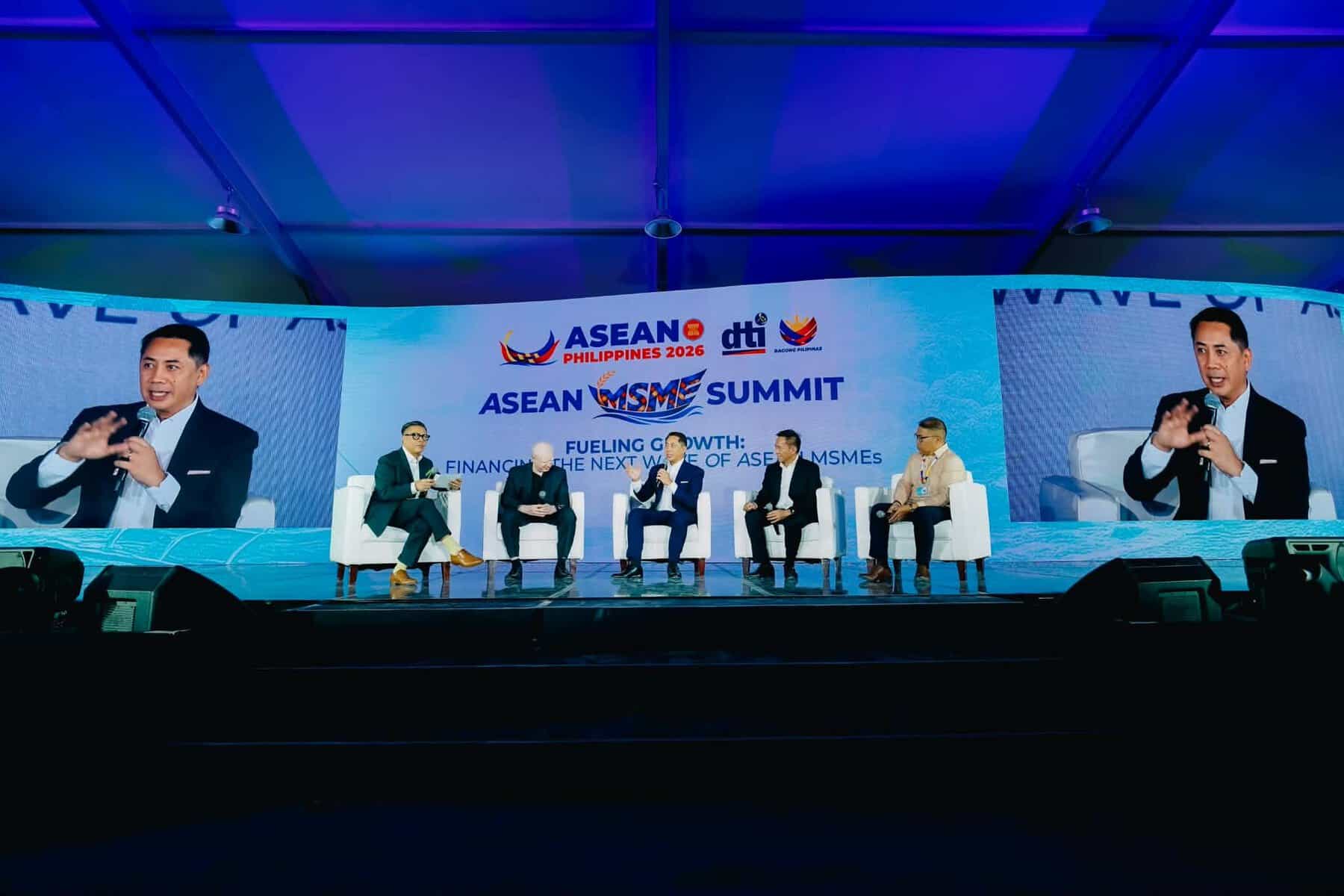
Fuse Financing, Inc. President and CEO Tony Isidro shared this view while speaking at the ASEAN MSME Summit 2026, highlighting the potential of micro and small businesses, including sari-sari store owners and other small merchants, to grow with the right financial support.
“Just because a business, particularly a micro-entrepreneur, is invisible in a formal business, it doesn’t mean that they’re not credible,” Isidro said.
Micro and small enterprises have long struggled to access traditional credit, held back by strict collateral demands and unestablished credit histories. Today, innovative digital financial
solutions are bridging this gap, democratizing access to fair and credible loans and operational tools that enable small businesses to scale sustainably. For Fuse Financing, helping more small businesses access financing means recognizing the potential of entrepreneurs who may have limited experience with traditional lenders. With access to legitimate financial support, these businesses can purchase equipment, replenish inventory, improve operations, manage working capital, and expand their businesses.
Digital platforms help make this access more practical by allowing MSMEs to manage financial activities within an ecosystem they already use for their businesses. Through GCash, merchants can accept customer payments, pay suppliers and other merchants, and access other financial and business services.
These activities can also provide additional information that may support credit assessment and underwriting. Digital transaction data can give lenders a more current view of a merchant’s business activity, complementing the information available through traditional financial records. Loan eligibility, however, remains subject to credit evaluation.
Isidro explained how the digital ecosystem of GCash can provide lenders with a broader view of merchants and their business activity.
“[Digital transactions] are more powerful versus the traditional financial statement, which would be static, whereas their behavior within the GCash ecosystem is more dynamic and can be observed over time. So you get a glimpse of each merchant’s flow of cash, which enables us to have a good footprint, or a good [view] of the capability of each merchant,” he said.
Speaking at a panel discussion, Tony Isidro highlighted how digital transactions can help financial service providers better understand the needs of MSMEs. By seeing how merchants use digital financial services in their day-to-day operations, providers can gain insights that will allow them to better respond and support the growth of MSMEs
Meanwhile, Isidro also encouraged merchants to continue using GCash for their regular financial activities as they build their digital financial footprint.
“Whether it’s accepting payment from your customers, or paying other merchants, paying your suppliers in the GCash app, we encourage merchants to continue using the app for their financial operations,” he said.
As ASEAN’s digital economy grows, fintech can help bring more MSMEs into the formal financial system by expanding access to financial services and financing. For small businesses, greater access to appropriate financing can provide opportunities to strengthen their operations and pursue growth.
For more information, please visit www.gcash.com.
###