

From the Sidelines
By: Ray G. Talimio Jr.
Flood Control Projects Under Scrutiny: “Exposing the Fault Lines in Flood Control Investigations”
The unfolding controversy on flood control projects has opened yet another chapter in the country’s struggle against corruption. What began as local observations of irregularities has now grown into a national storm, with senators, mayors, and citizens alike demanding transparency, accountability, and justice.
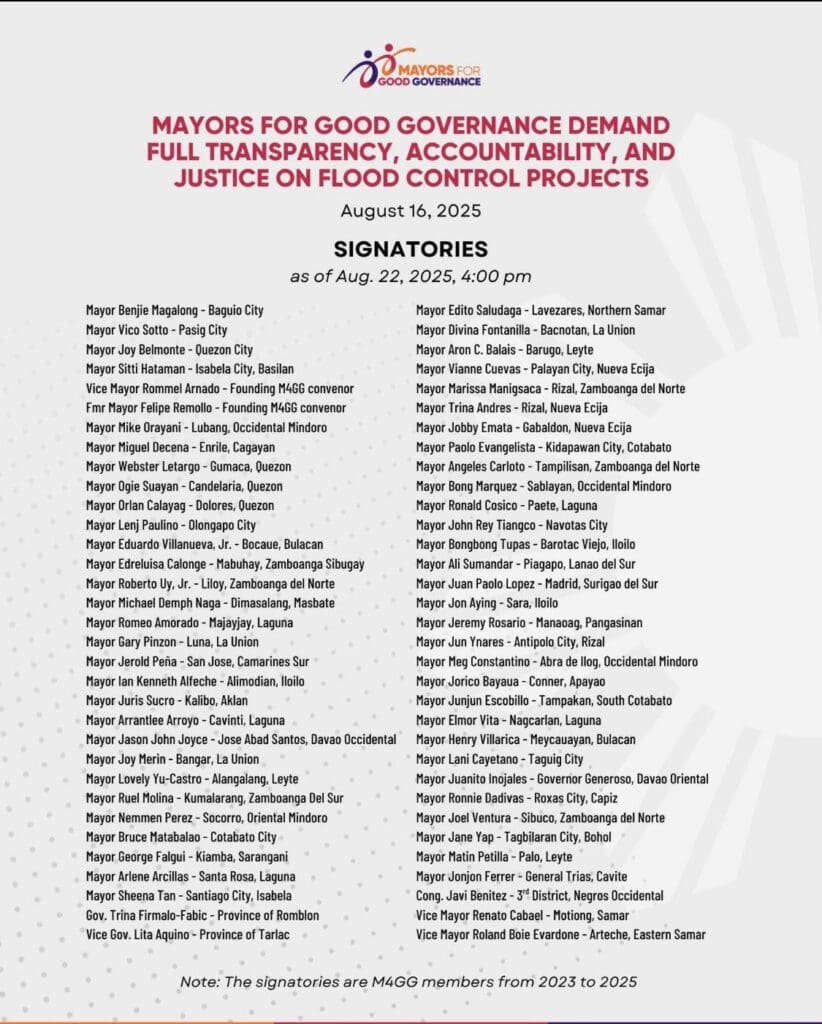
At the center of the issue is the call by the coalition of Mayors for Good Governance (M4GG), led by Baguio City Mayor Benjamin Magalong, who has consistently sounded the alarm on how public funds are parceled out and abused. Their August 16, 2025 statement, now signed by dozens of mayors nationwide, is a clear message that local leaders are no longer content to stay silent while flood control projects become symbols of inefficiency, political patronage, and outright fraud.
Flood Control Projects Under Scrutiny: A Test of Transparency and Accountability
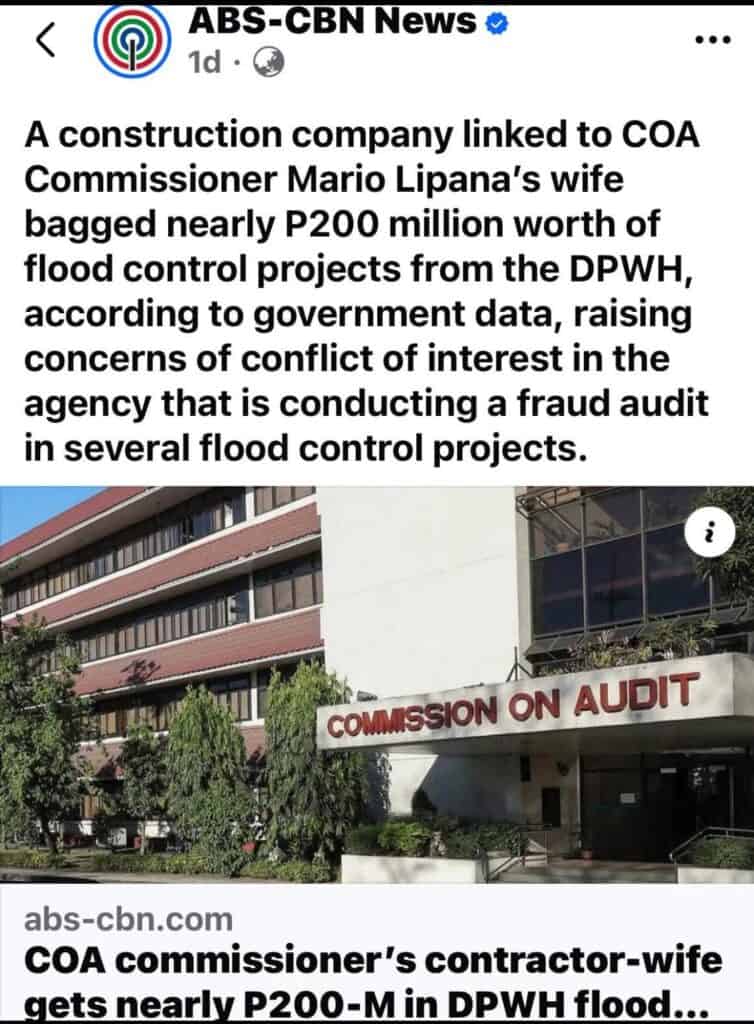
The scandal widened when reports surfaced that a construction company linked to the wife of a Commission on Audit (COA) commissioner had secured nearly P200 million worth of contracts from the Department of Public Works and Highways (DPWH). This has raised questions of conflict of interest within the very institution tasked to safeguard public accountability. The irony is hard to miss: the constitutional watchdog of government spending now finds itself in the crosshairs of suspicion.
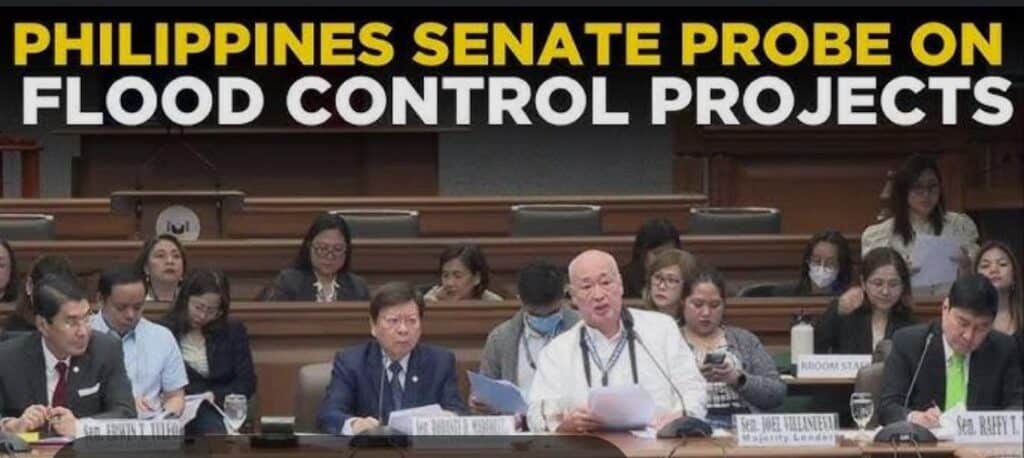
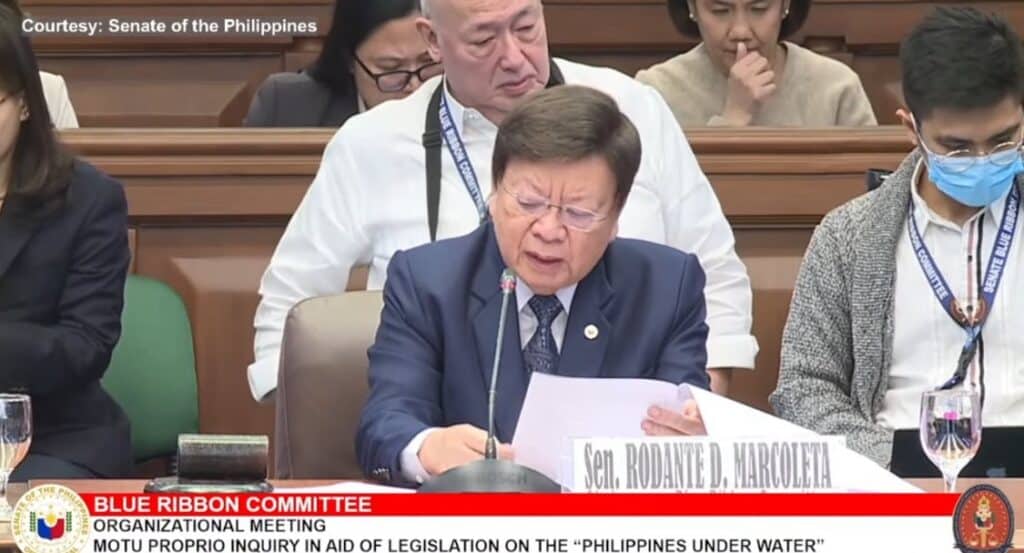
In parallel, the Senate Blue Ribbon Committee has opened hearings on the matter. Senators led by Rodante Marcoleta have pressed for a deeper look into how contracts were awarded and whether irregularities were systematically tolerated. The hearings reveal what many have long suspected, that flood control projects, instead of protecting communities from disasters, have too often become conduits of rent-seeking and political deals.
What makes this moment different is the convergence of voices. Local governments, traditionally hesitant to confront national agencies, are now openly challenging the status quo. Civil society, the media, and ordinary citizens are also adding to the pressure, demanding that investigations move beyond the ritual of hearings and reports and toward genuine accountability.
Yet, challenges remain. The legislative and executive branches both have the means to uncover the full picture. They hold the records, the financial statements, the contractor lists, and the audit trails. The question is not whether evidence exists, but whether the political will to act decisively is present.
Flood control should be a matter of public safety and climate resilience, not a playground for profiteering. When billions are poured into projects that fail to deliver, communities remain vulnerable to floods and taxpayers are left cheated. Transparency is not just a moral appeal, it is a matter of survival in a country where typhoons and heavy rains are constant threats.
As investigations continue, the public must insist on clarity and reforms. Mayor Magalong’s voice and the growing chorus of local leaders underscore a deeper truth: accountability begins when silence is broken. This is not merely about one project, one official, or one agency. It is about reshaping governance so that public works truly serve the public.
The fight against corruption in flood control projects is a test of whether institutions can rise above complicity. If successful, it can set a precedent for other sectors. If it falters, it will only deepen public cynicism. For now, the nation watches, asks questions, and waits for answers.
Sources:
• ABS-CBN News reports on COA-linked contracts
• Mayors for Good Governance statement, August 16, 2025
• Senate Blue Ribbon Committee hearings on flood control projects
Photo Credits:
• ABS-CBN News
• Senate of the Philippines
Disclaimer:
This column is based on publicly available reports and official statements. It is intended for public discourse and does not prejudge ongoing investigations.
About the Author:
Ray G. Talimio Jr. is a Certified Public Accountant and a veteran columnist on governance, economic policy, and public accountability. He is Past President and Past Chairman of the Board of the Cagayan de Oro Chamber of Commerce and Industry Foundation Inc. (Oro Chamber), Past Co-Chairman of the Economic Development Committee of the Regional Development Council Region X, and Past Chairman of the MSME Development Council of Misamis Oriental and Cagayan de Oro from 2022 to 2025. He currently serves as a National Officer of the Philippine Institute of Certified Public Accountants (PICPA), after having served as its Past Senior Regional Director and Past Chapter President. He is a staunch advocate for MSME development, regional economic integration, good governance, and public private partnerships. He served as BIMP-EAGA Chairperson from 2023 to 2025.