


From the Sidelines
By: Ray G. Talimio Jr.
“Why a Highly Urbanized City Still Runs Dry After Ordinary Rain”
Since January 2, 2026, many parts of Cagayan de Oro City have been without water. What began as an inconvenience has stretched into a multi-day disruption affecting households, businesses, hospitals, and schools. This did not follow a typhoon, a major flood, or any catastrophic weather event. The rainfall on January 2 was ordinary by local standards. That reality alone exposes the deeper problem confronting the city.
A highly urbanized city should not experience prolonged water outages simply because of rain. Rainfall is predictable. Seasonal patterns are well documented. If a routine weather event can still cripple water supply for several days, then the system lacks adequate buffering capacity, redundancy, and preparedness. This is no longer an operational issue. It is a structural failure.
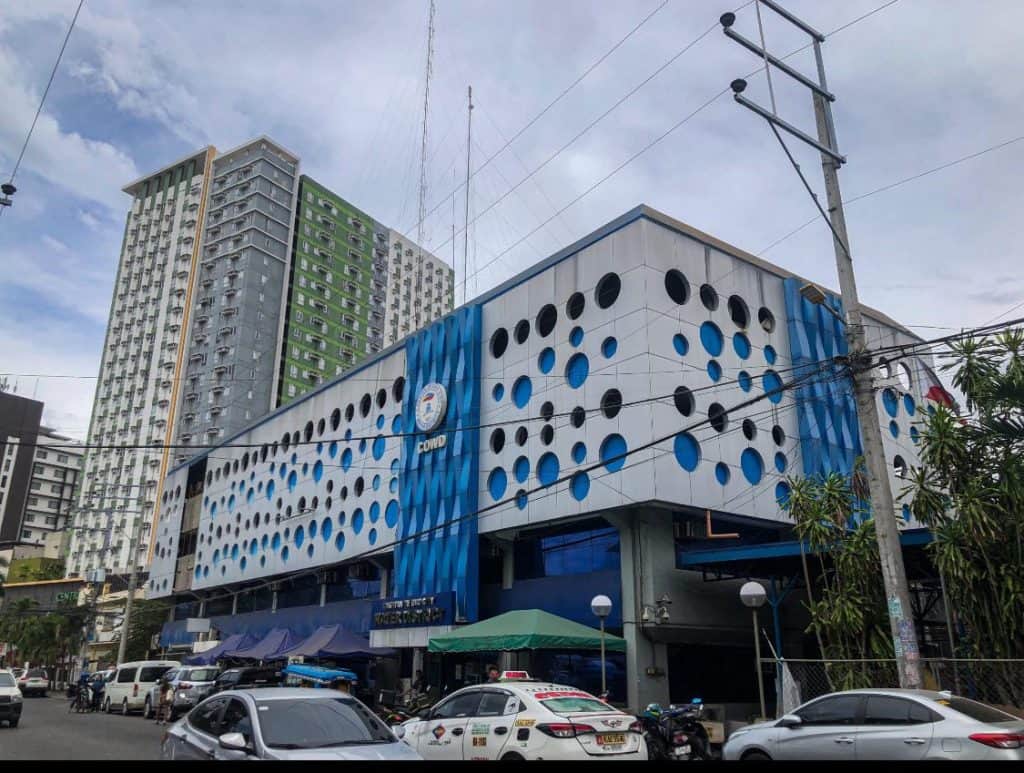
Statements and interviews from the Cagayan de Oro Water District (COWD) show a utility struggling within its limits. This reality is even more sobering when viewed against the fact that COWD has been in existence for fifty two (52) years. After more than five decades of operations, the more uncomfortable truth is that COWD has long been expected to shoulder a responsibility that has outgrown its institutional capacity. Water security for a city of this size cannot rest solely on a single local utility operating with constrained resources and aging infrastructure. The risk is systemic, and so must be the response.
Compounding the water supply issue is the city’s recurring flooding problem. Heavy rainfall does not only disrupt water production. It also exposes weaknesses in drainage systems, watershed management, and land use controls. Flooding and water scarcity are not separate concerns. They are symptoms of the same planning gap. If the City already has an Ad Hoc Committee on the Water Problem, it must be activated immediately and tasked with clear deliverables and timelines. If none exists, then one must be created without delay. This is not the moment for fragmented responsibility. All relevant offices, technical experts, national agencies, and private sector stakeholders must be put to task under a single coordinated framework.
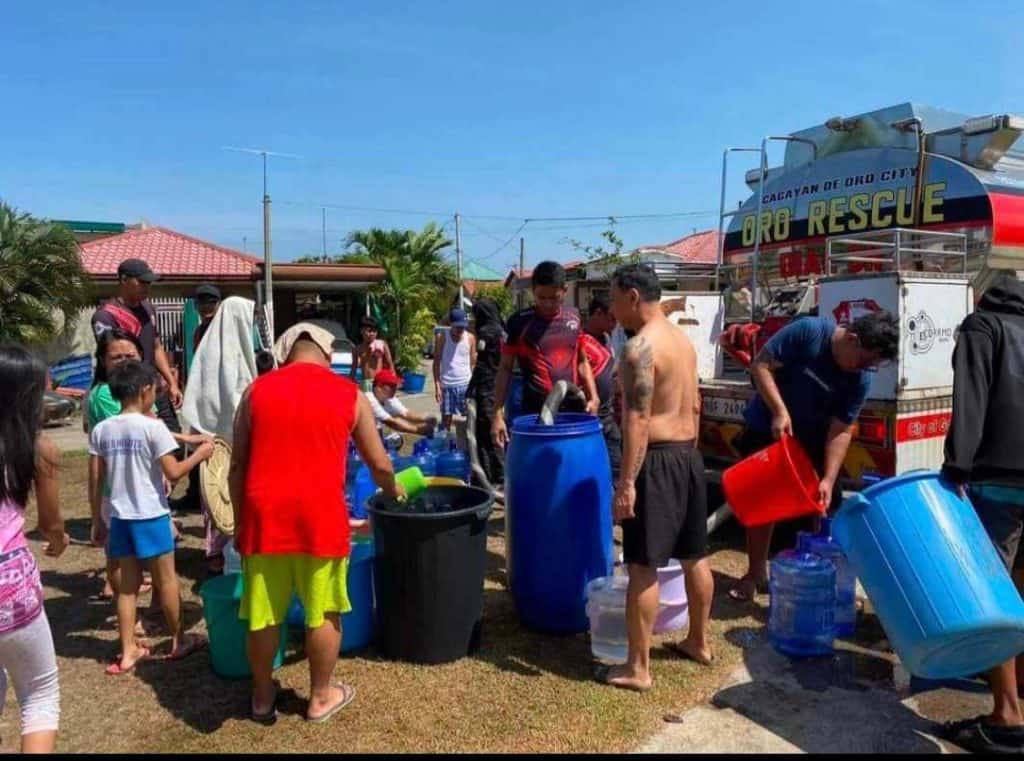
The resort to water tankers and assistance from the Bureau of Fire Protection (BFP) highlights the fragility of the current setup. Such measures are meant for disasters, not for day-to-day service continuity after ordinary rainfall. Using emergency assets for non-catastrophic situations reflects a reactive posture that normalizes stopgap solutions instead of addressing root causes. It also diverts critical emergency resources away from their core mandate.
This recurring water crisis places renewed responsibility on Mayor Rolando “Klarex” Uy. Water insecurity sits alongside other long-standing urban challenges that require decisive leadership. Garbage management has seen partial improvements, yet landfill management still demands major technological intervention and serious private sector investment. Traffic congestion continues to worsen, constrained by outdated ordinances and contracts that no longer reflect present realities. These issues are interconnected and point to the same weakness: delayed decisions on core urban systems.
This is where the long-pending Metro-Cagayan de Misamis initiative becomes highly relevant. The proposed metropolitan framework, which remains pending in Congress, is precisely designed to address problems that have outgrown city boundaries and single-agency solutions. Water security, flood control, solid waste management, transport planning, and land use coordination are metropolitan issues. Without this enabling structure, local governments are left to confront regional-scale problems with city-level tools.
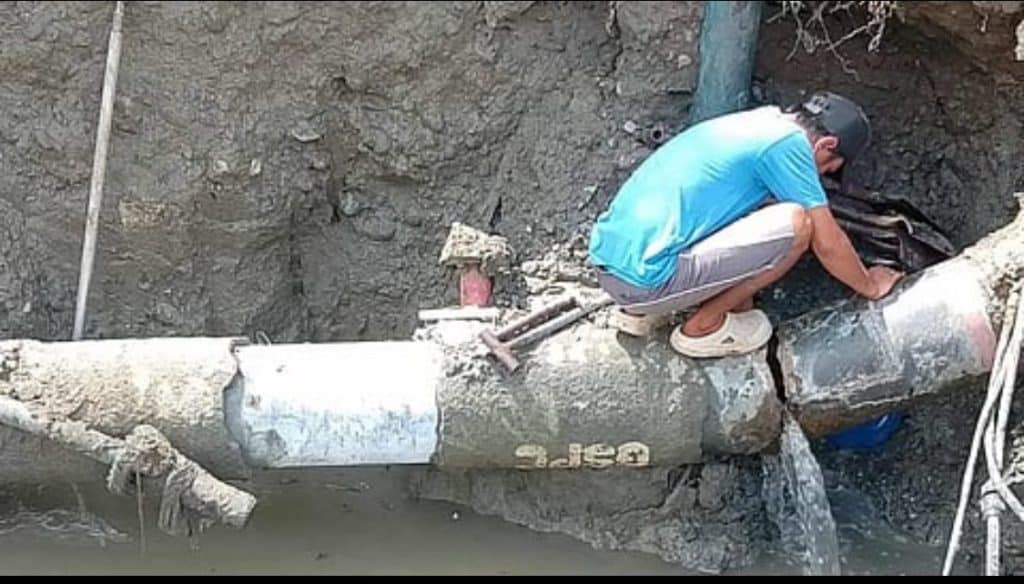
For water, incremental fixes are no longer sufficient. The City must actively seek national government support, pursue public private partnership models, accelerate the development of new water sources, expand treatment and storage capacity, and build redundancy into the distribution network. Transparent communication is equally essential. Residents deserve clear explanations, realistic timelines, and measurable commitments, not reassurances that collapse at the next rain event.
Cagayan de Oro City’s growth ambitions, investment prospects, and basic livability all depend on reliable water supply. A highly urbanized city that runs dry after ordinary rainfall is not suffering from bad luck. It is paying the price of postponed choices. Water must be treated as foundational infrastructure, planned with foresight and backed by resources commensurate with the city’s size and aspirations.
Sources: Magnum Radyo 99.9 interview with Cagayan de Oro Water District officials, January 2026.
Facebook interview link provided by the author.
Photo Credits: Magnum Radyo 99.9 broadcast screenshot featuring Engr. Edna Najeal, General Manager, Cagayan de Oro Water District, January 5, 2026.
Cagayan de Oro Water District main office exterior, photo from public domain and field documentation. Cagayan de Oro Water District pipeline repair works, photo from local community documentation.
Oro Rescue and community water rationing activities in affected barangays of Cagayan de Oro City, photo from local residents and responders.
Disclaimer: The views expressed are those of the author and do not necessarily reflect the official positions of any institution mentioned.
About the Author: Ray G. Talimio Jr. is a Certified Public Accountant and veteran columnist on governance, economic policy, and public accountability. He is Past President and Past Chairman of the Board of the Cagayan de Oro Chamber of Commerce and Industry Foundation Inc. He served as Co-Chairman of the Economic Development Committee of the Regional Development Council Region X and as Chairman of the MSME Development Council of Misamis Oriental and Cagayan de Oro City from 2022 to 2025. He currently serves as a National Officer of the Philippine Institute of Certified Public Accountants after having served as its Past Senior Regional Director and Past Chapter President. He served as BIMP-EAGA Chairperson from 2023 to 2025. He is a staunch advocate of MSME development, regional economic integration, good governance, and public private partnerships.