By CHRIS V. PANGANIBAN
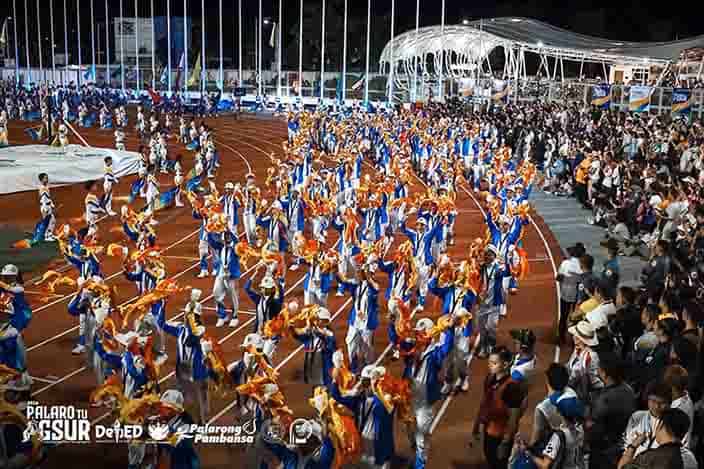
PROSPERIDAD, Agusan del Sur — As thousands of athletes, coaches, officials, and spectators gathered for the 2026 Palarong Pambansa, Agusan del Sur found itself in the national spotlight not only for hosting the country’s biggest school sporting event, but for showing how it could be done with comfort, care, and community pride.
Across social media and among visiting delegations, one message stood out: Agusan del Sur may have set a new standard for future Palarong Pambansa hosts.
From fully air-conditioned billeting quarters to free transport services, care kits, Wi-Fi access, and eco-tourism experiences, the province earned praise for what many described as one of the most athlete-centered Palaro editions in recent memory.
“Dili gyud mi ka-expect ani ka-komportable nga Palaro,” wrote lawyer Mary-Fer Llacuna, a native of San Francisco town who is now a travelling executive based in Makati City, in her social media post that showcased the delegates’ quarters, shuttle buses, and newly built sports facilities. “We never expected a Palaro this comfortable.”

Unlike previous editions where athletes and coaches often had to endure crowded classrooms, basic sleeping arrangements, and the intense summer heat, Agusan del Sur introduced a major shift in billeting standards. Organizers described the fully air-conditioned quarters for athletes and delegates as a first in Palarong Pambansa history.
The initiative was widely applauded online, with netizens saying the province placed student-athletes’ welfare, rest, and recovery at the center of its preparations.
Delegates were also welcomed with customized “Palaro Tu Agsur” care kits containing hygiene essentials, tumblers, and sleeping provisions. Free Wi-Fi access was installed in billeting areas, allowing young athletes to stay connected with their families while competing far from home.
But the province’s preparation went beyond comfort.
At the center of the games is the Datu Lipus Makapandong D.O. Plaza Sports Complex in Prosperidad, a massive government center transformed over the years into a P1.7-billion sports hub. The complex now features an Olympic-size aquatic center with twin grandstands, a rubberized track oval, a synthetic football pitch, and newly constructed indoor facilities designed to meet national competition standards.
For many visitors, however, Agusan del Sur’s strongest statement was not only its infrastructure, but its hospitality.
To help delegations move across more than 40 venues in Prosperidad, Bayugan City, San Francisco, Talacogon, and other areas, the provincial government rolled out a free transportation system through its “Libreng Sakay” program. Buses, e-buses, and electric tricycles were deployed to ferry athletes, coaches, and officials throughout the duration of the games.
The province also turned the national sporting event into a showcase of local pride by offering complimentary tours to some of Agusan del Sur’s top eco-tourism destinations, including the Agusan Marsh Wildlife Sanctuary, Bega Falls, Tugonan Falls, and the centuries-old Toog tree.
Local communities likewise played a visible role in welcoming guests. Teachers, farmers, tribal leaders, barangay volunteers, and residents helped manage logistics, guide visitors, and create a festive atmosphere for delegations arriving from different parts of the country.
“This does not feel like a typical sports event,” another netizen posted. “Murag pista ug family reunion sa tibuok Pilipinas.” It feels like a festival and a family reunion for the whole Philippines.
For many Agusanons, hosting the 2026 Palarong Pambansa has become more than a sporting milestone. It has become a statement that a province in Caraga can deliver a national event with world-class preparation while staying rooted in local culture, hospitality, and community spirit.
With delegates, spectators, and netizens continuing to share positive impressions online, Agusan del Sur’s hosting of the 2026 Palarong Pambansa may well become the benchmark by which future hosts will be measured.
###