
Part 3: Governance, Risk, and the Path Forward
From the Sidelines
By: Ray G. Talimio Jr.
“When satellites become public infrastructure, governance matters more than hype”
Agila’s long-term success will depend less on branding and more on governance. Satellite systems intersect with national security, aviation safety, cybersecurity, and fiscal accountability. Clarity of roles is therefore essential. Ownership of the spacecraft, command authority, gateway control, capacity allocation, and service delivery must be explicitly defined and publicly accountable.
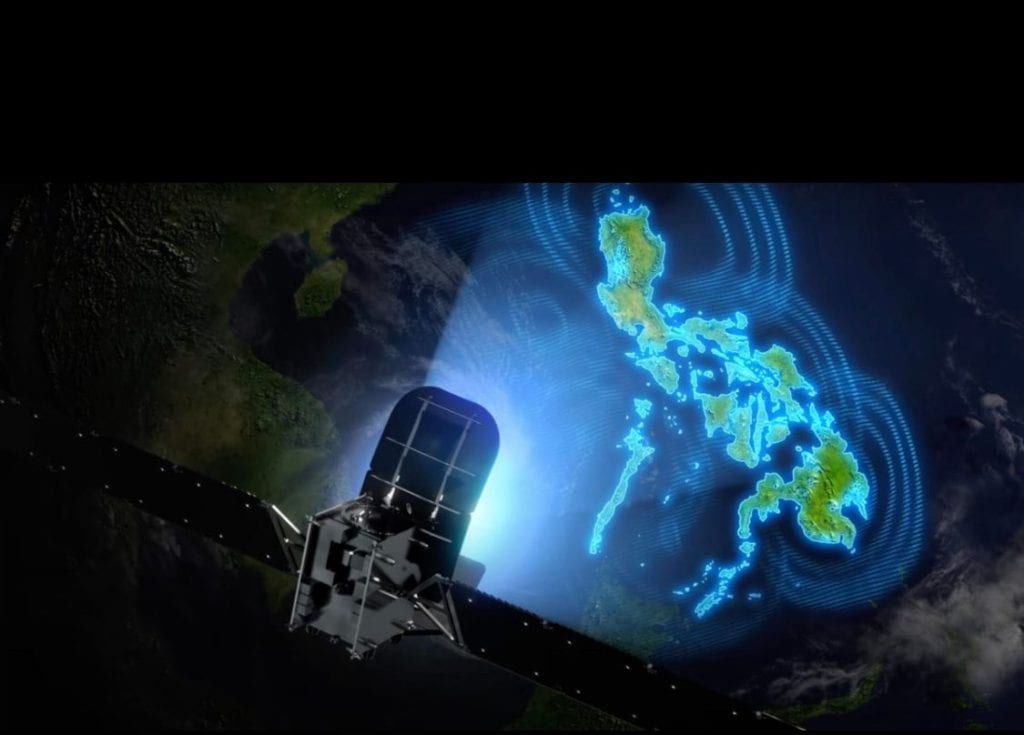
A Virtual Network Operator model offers a viable path forward. Under this approach, the satellite owner or operator focuses on space assets and ground segment reliability, while multiple service providers deliver connectivity to government agencies, local government units, schools, hospitals, and enterprises. This structure avoids monopoly outcomes, accelerates rollout, and encourages innovation while preserving strategic oversight.
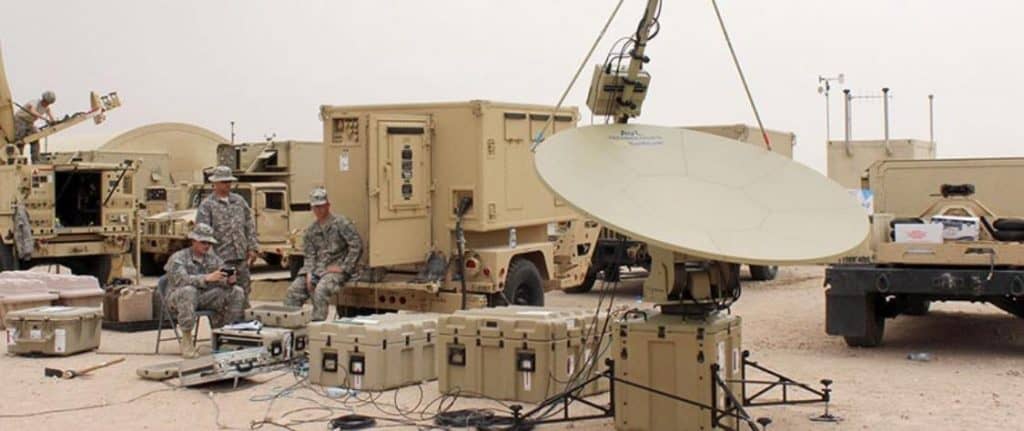
For aviation and maritime applications, integration with existing regulatory frameworks must be meticulous. Satellite-based systems can enhance situational awareness, but they cannot shortcut certification standards, redundancy requirements, or international compliance obligations. Claims of strategic leverage must always be tested against statutory authority and treaty commitments.
Agila should be understood not as a single project, but as a national capability. That requires disciplined procurement, transparent contracting, clear regulatory boundaries, and realistic performance benchmarks. Satellite infrastructure can amplify state capacity only if anchored in sound governance.
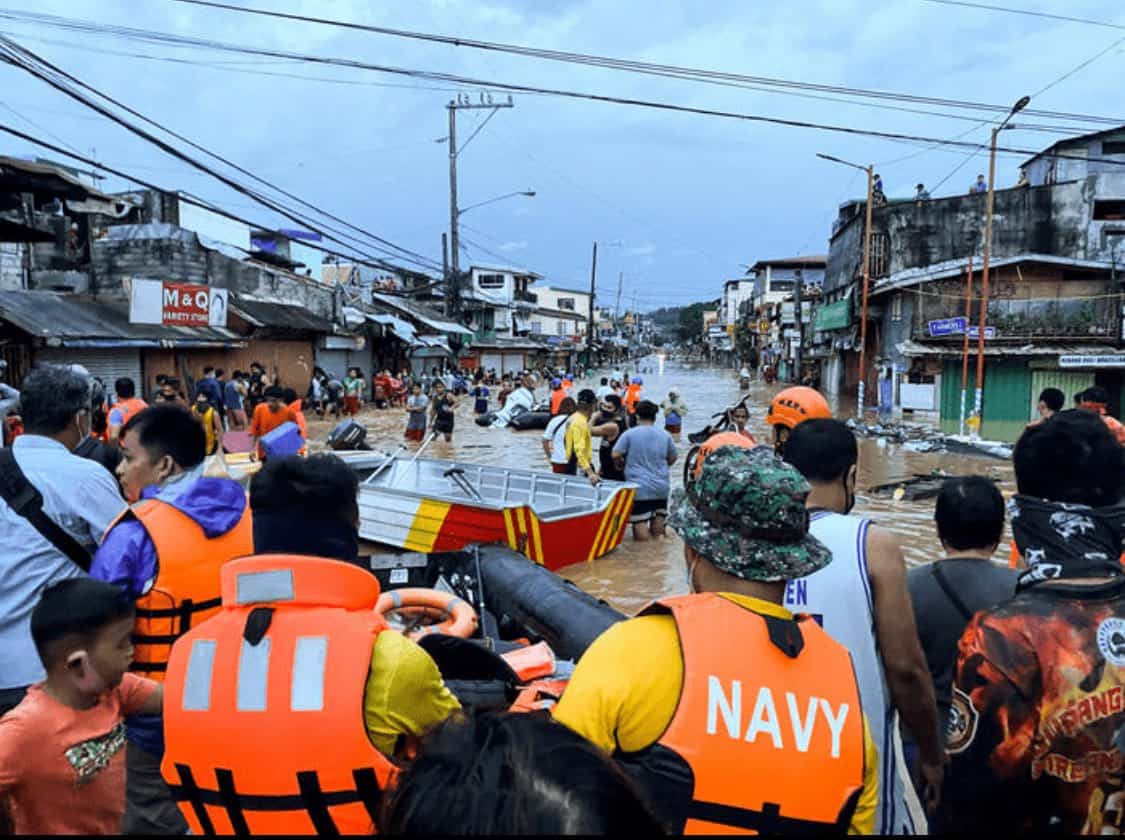
If executed well, Agila strengthens disaster resilience, improves service delivery in remote areas, and enhances investor confidence. If executed poorly, it risks becoming an expensive symbol rather than a functional backbone. The opportunity is real. The responsibility is equally real.
Sources: Public policy materials on national connectivity, disaster resilience, and satellite communications.
Regulatory references on telecommunications, aviation, and maritime digital systems.
General satellite communications engineering references.
Photo Credits: Astranis Space Technologies official mission imagery.
Presidential Communications Office archival materials.
Public domain satellite infrastructure visuals.
Disclaimer: This article is for policy discussion and public information. It does not constitute legal, technical, or investment advice.
About the Author: Ray G. Talimio Jr. is a Certified Public Accountant and veteran columnist on governance, economic policy, and public accountability. He is Past President and Past Chairman of the Board of the Cagayan de Oro Chamber of Commerce and Industry Foundation Inc. He served as Co-Chairman of the Economic Development Committee of the Regional Development Council Region X and as Chairman of the MSME Development Council of Misamis Oriental and Cagayan de Oro City from 2022 to 2025. He currently serves as a National Officer of the Philippine Institute of Certified Public Accountants after having served as its Past Senior Regional Director and Past Chapter President. He served as BIMP-EAGA Chairperson from 2023 to 2025. He is a staunch advocate of MSME development, regional economic integration, good governance, and public private partnerships.