
By CHRIS V. PANGANIBAN
SAN FRANCISCO, Agusan del Sur–The implementation of a government-funded rural electrification project in Barangay Limbaan, New Corella, Davao del Norte was temporarily halted after workers were reportedly stopped by individuals who identified themselves as personnel of Davao Light and Power Company, according to the Northern Davao Electric Cooperative, Inc. or NORDECO.
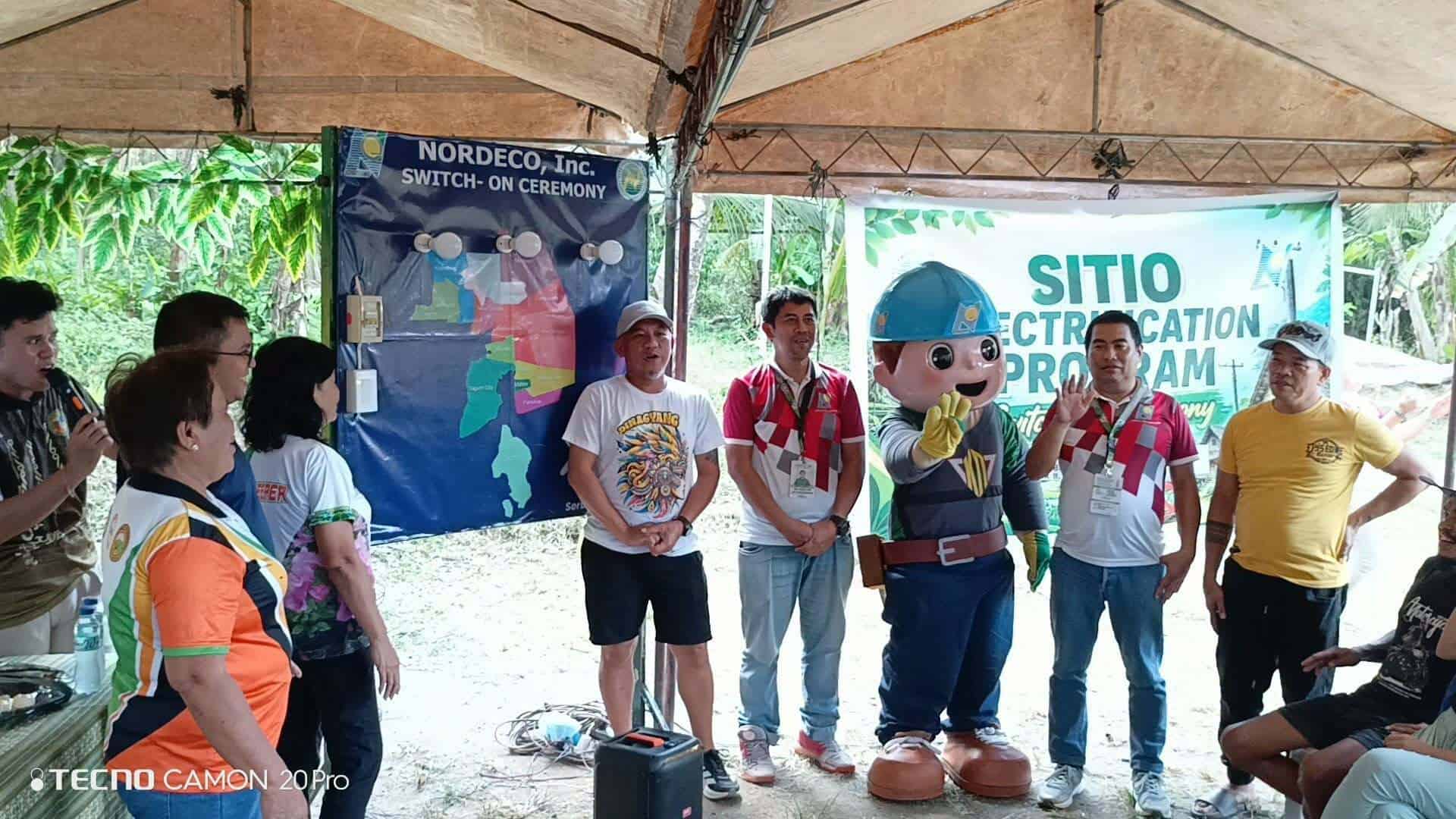
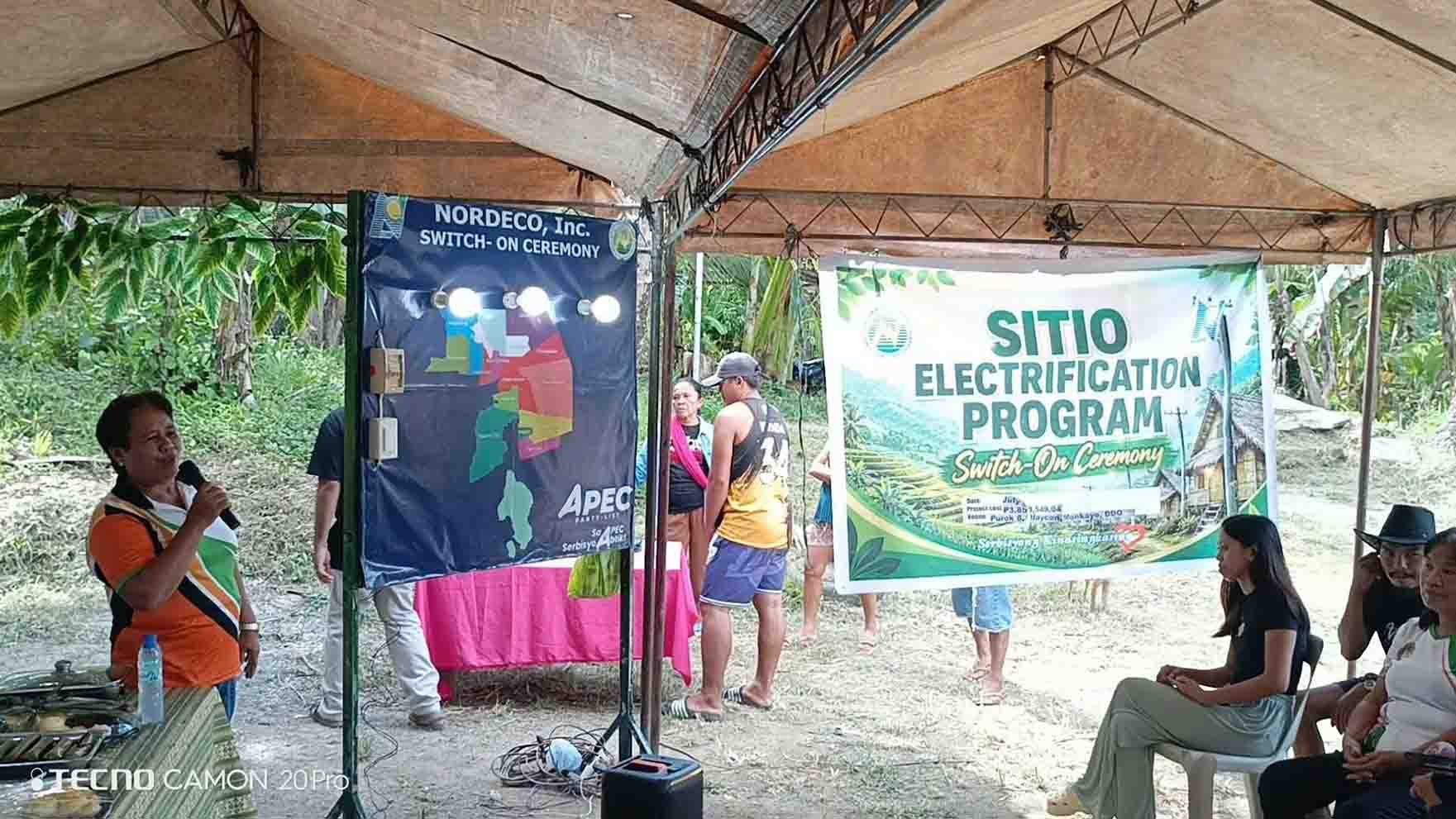
The incident reportedly happened on June 30 in Purok 9 Kauswagan, where the National Government’s Sitio Electrification Program is being implemented. The project aims to provide electricity to underserved communities that have long waited for access to power.
Demetrio L. Jagunos, NORDECO Area III Services Department Manager, said the project is expected to energize around 180 households in Purok 9 Kauswagan, including nearby Purok 8A Vega and Purok 8B Crossing Ladeca. He said the project is valued at P8.29 million and was originally scheduled for energization next month.
Engr. Benedicto D. Ongking, NORDECO Technical Services Department Manager, said he received a call from the project contractor after workers installing SEP distribution lines were allegedly ordered to stop by persons claiming to be from Davao Light. He added that the workers were later brought to a police station.
Jagunos said NORDECO would continue implementing the government’s rural electrification program despite the challenges facing the cooperative, stressing that no community should be deprived of electricity. The reported interruption has dampened the excitement of residents in Barangay Limbaan, many of whom have long awaited electricity service in their community.
The incident comes amid the continuing legal dispute between NORDECO and Davao Light over electric distribution operations in parts of Davao del Norte following the expansion of Davao Light’s franchise under Republic Act No. 12144.
Davao Light has maintained that it is the sole utility authorized to carry out electricity distribution operations in the affected franchise areas. The company cited a June 25, 2026 order issued by the Regional Trial Court in Panabo City directing NORDECO to stop billing, collection, meter reading, maintenance and repair works, and other electric distribution activities in areas where the court recognized that distribution assets are already under Davao Light’s possession and control.
Davao Light also said customers in the affected areas should transact exclusively with the company for electricity-related services. As of press time, however, Davao Light had not issued a separate statement specifically addressing NORDECO’s allegation that its personnel stopped the SEP project in Barangay Limbaan. Its latest advisory focused on implementing the court order and reiterating its authority over electricity distribution operations in the covered areas.
NORDECO, meanwhile, maintained that it remains committed to government-funded rural electrification projects while pursuing legal remedies before the Supreme Court. The cooperative also said it would comply with recent regulatory directives while the legal issues remain pending.
Residents of Limbaan opposed the reported move to stop the SEP project, according to the National Center of Electric Cooperative Consumers, Inc. Davao de Oro and Davao del Norte Chapter. In a statement reported by the group, residents said the project was intended for their community and should not be blocked while the dispute remains unresolved.
The residents appealed to the parties involved to wait for a final decision instead of allowing ordinary communities to suffer the consequences. They also said their community had already paid permit fees and expressed gratitude for the materials and installation labor provided free of charge by the government through NORDECO.
The issue comes as officials continue to emphasize the importance of rural electrification. On July 1, 2026, Rep. Leonel Ceniza of Davao de Oro’s 2nd District attended the ceremonial energization of Bag-ong Pag-asa Village in Pantukan, benefiting 180 households.
Ceniza said electricity is vital for students, families, and small entrepreneurs, underscoring that electrification is not only an infrastructure project but a public service that improves education, livelihood, safety, productivity, and community life.
###