
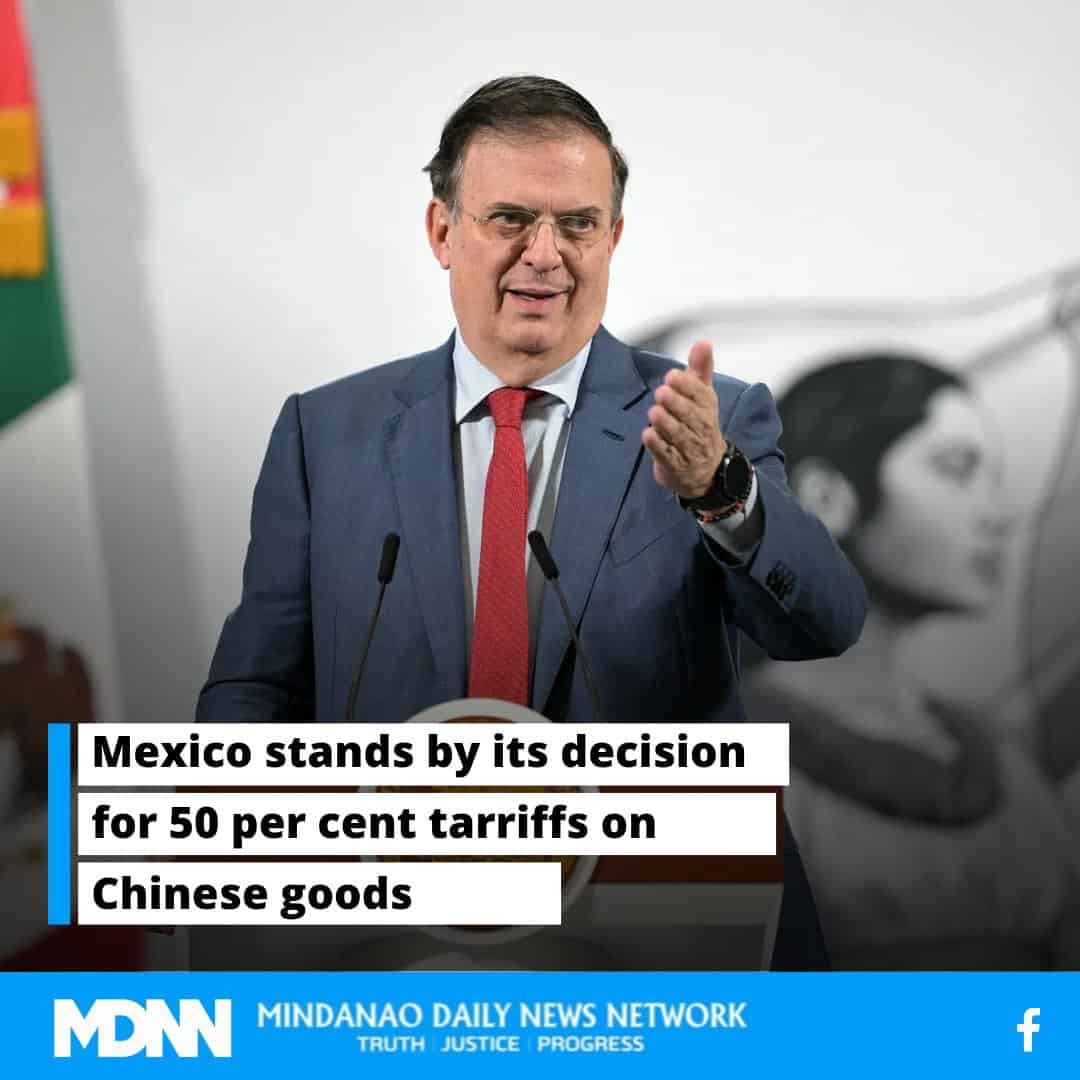
Mexico has reaffirmed its decision to maintain 50 percent tariffs on certain Chinese imports, underscoring the government’s commitment to protecting domestic employment and local industries. According to government officials, the measure is aimed at safeguarding around 350,000 jobs across key sectors of the Mexican economy.
The tariffs, which cover a range of imported products, were originally introduced as part of broader efforts to shield local manufacturers from intense competition posed by lower-priced foreign goods. Officials have repeatedly emphasized that the policy is not intended to restrict trade arbitrarily, but rather to ensure fair competition and prevent domestic industries from being undercut by imports that benefit from lower production costs.
Government representatives argue that without these protective measures, Mexican manufacturers—particularly in labor-intensive industries—would struggle to compete, potentially leading to factory closures and large-scale job losses. By keeping the tariffs in place, authorities say they are leveling the playing field and preserving employment opportunities in sectors considered vital to economic stability and social welfare.
Mexico Stands Firm on 50% Tariffs on Select Chinese Goods to Protect Jobs
However, the decision has sparked debate among trade analysts and business groups. Some experts warn that higher tariffs could result in increased consumer prices for affected goods, as importers pass on additional costs to buyers. Others point to possible long-term implications for Mexico’s trade relationship with China, one of its major global trading partners, noting that prolonged trade barriers may affect future negotiations or investment flows.
Despite these concerns, the Mexican government has maintained that job protection remains a top priority within its trade policy framework. Officials have indicated that there are currently no plans to revise or reduce the tariff rate, stressing that the benefits of preserving employment outweigh potential drawbacks.
The stance reflects a broader trend among countries seeking to balance open trade with domestic economic protection, particularly amid global economic uncertainty. For Mexico, the continuation of the tariffs signals a firm commitment to supporting local industries while navigating the complex dynamics of international trade.