

From the Sidelines
By: Ray G. Talimio Jr.
“Medical assistance delayed is medical justice denied”
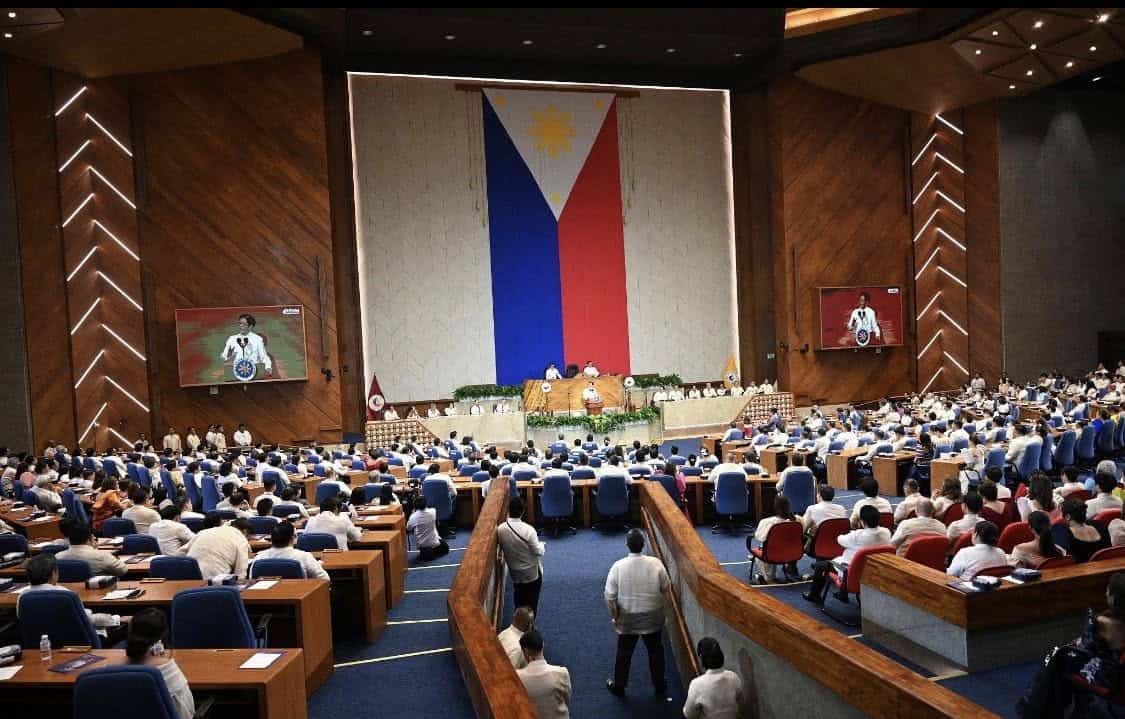
A recent privilege speech delivered by Representative Karen Lagbas of the 1st District of Misamis Oriental in the House of Representatives called for a congressional inquiry into the refusal of Department of Health (DOH) guarantee letters under the Medical Assistance for Indigent and Financially Incapacitated Patients (MAIFIP) Program. Her intervention brings to the surface a long standing structural problem. A guarantee letter is meant to assure a hospital or physician that the government will shoulder part of a patient’s bill. When hospitals stop honoring it, the immediate casualty is the indigent patient.
In her privilege speech, Rep Lagbas disclosed that in Region X alone, eighty nine thousand one hundred twelve (89,112) patients were issued approved guarantee letters in 2024. She further cited that only about five percent (5%) reportedly covers professional fees, while doctors receive only twenty eight percent (28%) to thirty percent (30%) of what is due. According to her, many private hospitals and physicians have complained of delayed or partial reimbursements, with some waiting months, even years, for settlement.

Why would private hospitals stop honoring these letters? The answer is simple economics. Hospitals operate on cash flow. They must pay salaries, utilities, medicines, and suppliers. When government reimbursements are slow or uncertain, the guarantee becomes a receivable with no clear maturity date. Over time, this erodes trust in the system.
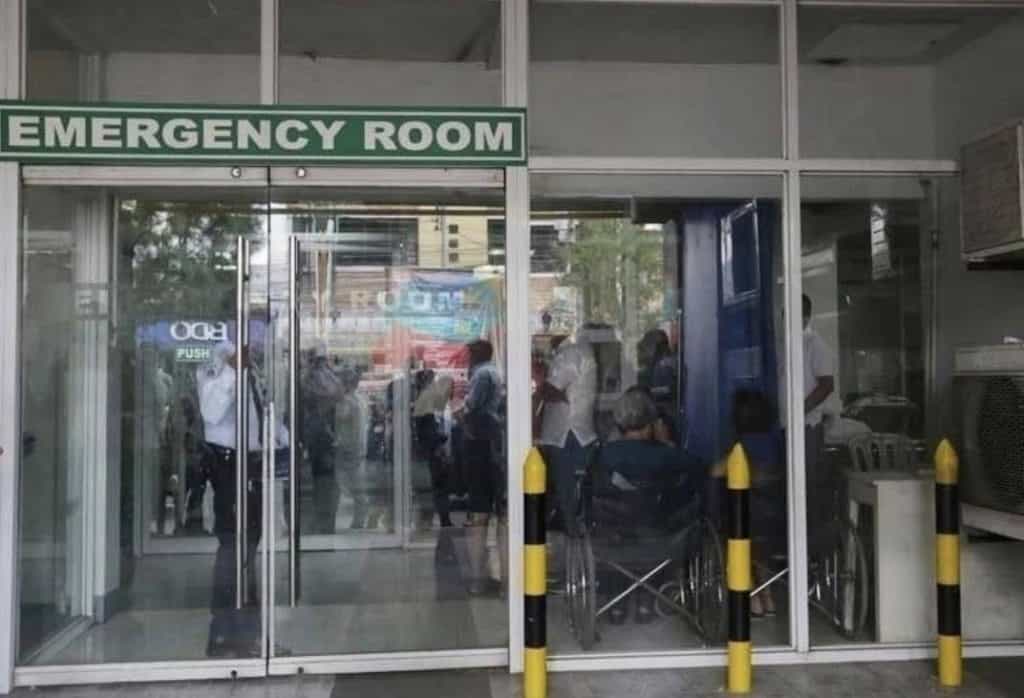
The roots of the problem go back to the earlier Medical Assistance to Indigent Patients (MAIP) framework, where payment backlogs were already common. When MAIP transitioned to MAIFIP, structural issues in fund release, documentation, validation, and disbursement were not fully resolved. Budget allocations may be approved on paper, but actual cash release depends on procurement rules, accounting clearances, and audit processes.
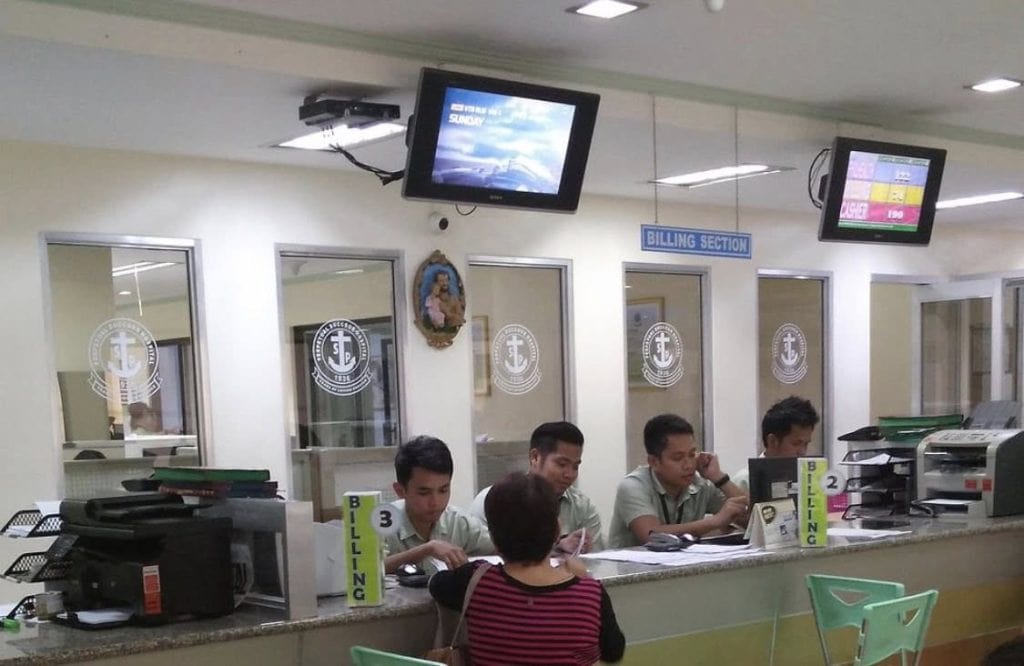
If the government truly wants private hospitals to honor guarantee letters, then it must treat them as binding obligations. That means transparent funding levels, defined payment timelines, and automatic release mechanisms once documents are complete. Otherwise, what is labeled a guarantee becomes merely a request for credit.

Healthcare access cannot depend on whether a hospital can afford to wait. A guarantee letter must mean exactly what it says.
Sources:
House of Representatives of the Philippines plenary proceedings, privilege speech of Rep Karen Lagbas
Department of Health (DOH) guidelines on MAIP and MAIFIP
Photo Credits:
House of Representatives of the Philippines official livestream
Public hospital reference images
Disclaimer:
This column expresses the personal opinion of the author based on publicly available information and policy discussions. It is not intended as legal or medical advice.
About the Author:
Ray G. Talimio Jr. is a Certified Public Accountant and veteran columnist on governance, economic policy, and public accountability. He is a Past President and Past Chairman of the Board of the Cagayan de Oro Chamber of Commerce and Industry Foundation Inc., a former Co-Chairman of the Regional Development Council Region X Economic Development Committee, a National Officer of the Philippine Institute of Certified Public Accountants, a former BIMP-EAGA Chairperson, and an active member of the Association of CPAs in Public Practice (ACPAPP). He is a staunch advocate of MSME development, regional economic integration, good governance, and public private partnerships.
#houseofrepresentatives#MAIFIP#RepKarenLagbas