
From the Sidelines
By: Ray G. Talimio Jr.
“From Hydropower Foundations to the Solar Age”
The recent oil price shocks triggered by geopolitical tensions in the Middle East have once again exposed a structural vulnerability in the Philippine energy system. The country remains heavily dependent on imported fossil fuels even though it possesses some of the richest renewable energy resources in Asia. The challenge is not the absence of renewable potential but the pace at which policy targets are translated into actual energy capacity.
The Electric Power Industry Reform Act (EPIRA), formally known as the Electric Power Industry Reform Act of 2001 (Republic Act No. 9136 or RA 9136), restructured the electricity sector by separating generation, transmission, and distribution to attract private investment and introduce competition. While the reform stabilized the power industry, it did not eliminate the country’s dependence on imported fuels. Based on Department of Energy (DOE) data, renewable energy accounts for about twenty nine point seven percent (29.7%) of installed capacity but only about twenty two percent (22%) of actual electricity generation. This means fossil fuels still supply around seventy eight percent (78%) of the country’s electricity output.
The Philippine Energy Plan (PEP) sets ambitious but achievable targets. Renewable energy is expected to reach thirty five percent (35%) of the power mix by 2030 and fifty percent (50%) by 2050. Achieving these targets will require faster project approvals, stronger transmission infrastructure, and greater investment certainty.
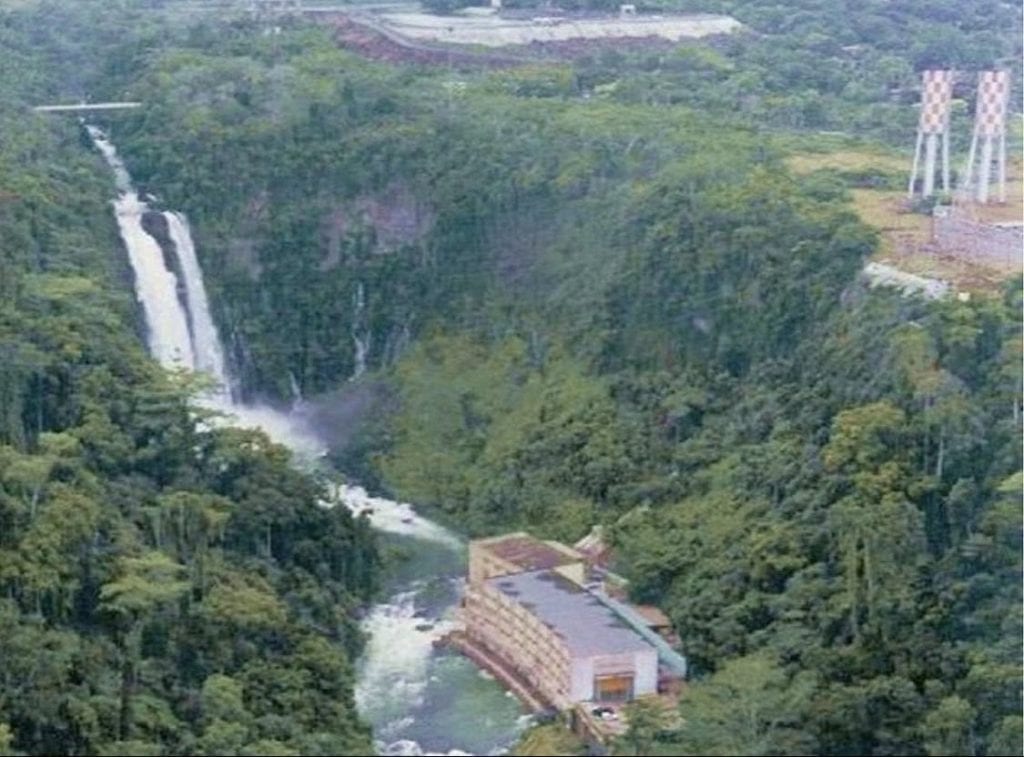
Renewable energy once formed the backbone of Philippine electricity supply. During the nineteen seventies and eighties, hydropower and geothermal energy provided a large portion of the country’s electricity. Major hydroelectric facilities such as the Agus-Pulangi hydro complex in Mindanao and dams in Luzon including Magat, Pantabangan, and San Roque played critical roles in the power system.
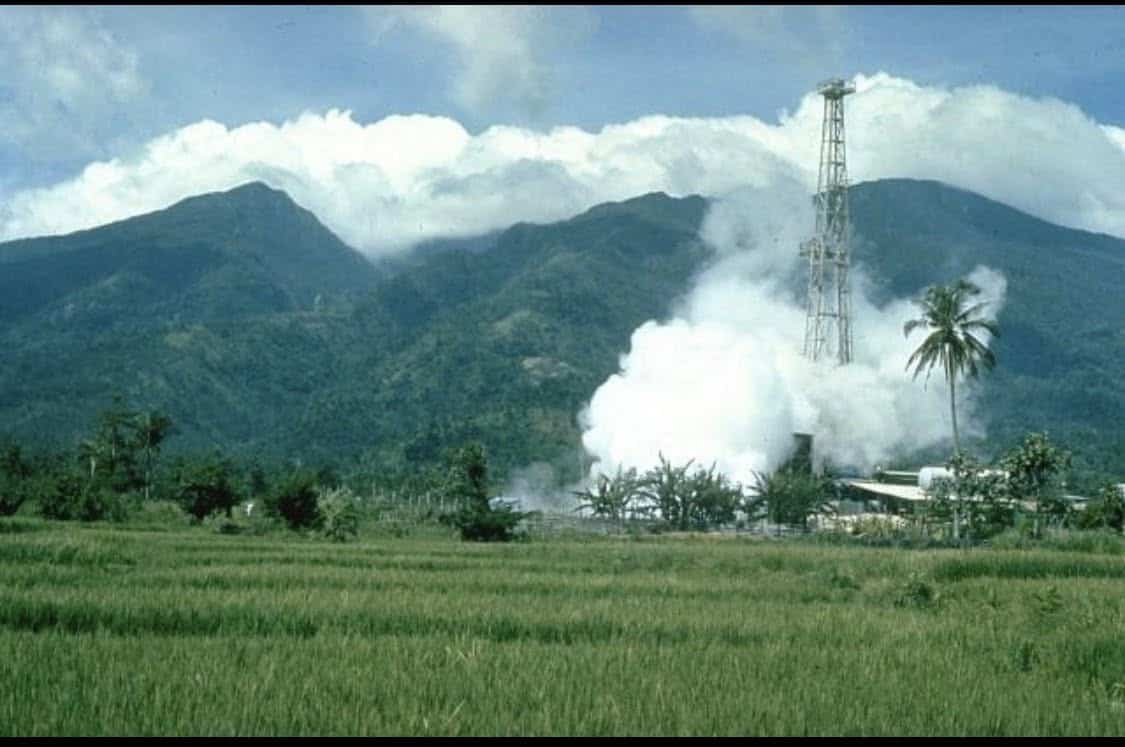
Today, geothermal remains the largest contributor among renewable sources. Most geothermal facilities are operated by private companies following the privatization of government power assets. Energy Development Corporation (EDC), a subsidiary of First Gen Corporation, operates geothermal fields in Leyte, Albay, Laguna, Negros, and North Cotabato. AP Renewables Inc. (APRI), a subsidiary of AboitizPower Corporation, operates the Tiwi geothermal plant in Albay and the Makiling-Banahaw geothermal complex spanning Laguna and Batangas.
Despite privatization, the government continues to operate some power assets. The National Power Corporation (NPC) maintains the Agus-Pulangi hydropower facilities in Mindanao, which together provide about nine hundred eighty two megawatts (982 MW) of installed capacity. NPC also runs the Small Power Utilities Group (SPUG), which supplies electricity to remote and off-grid areas throughout the country where private generation is not viable.
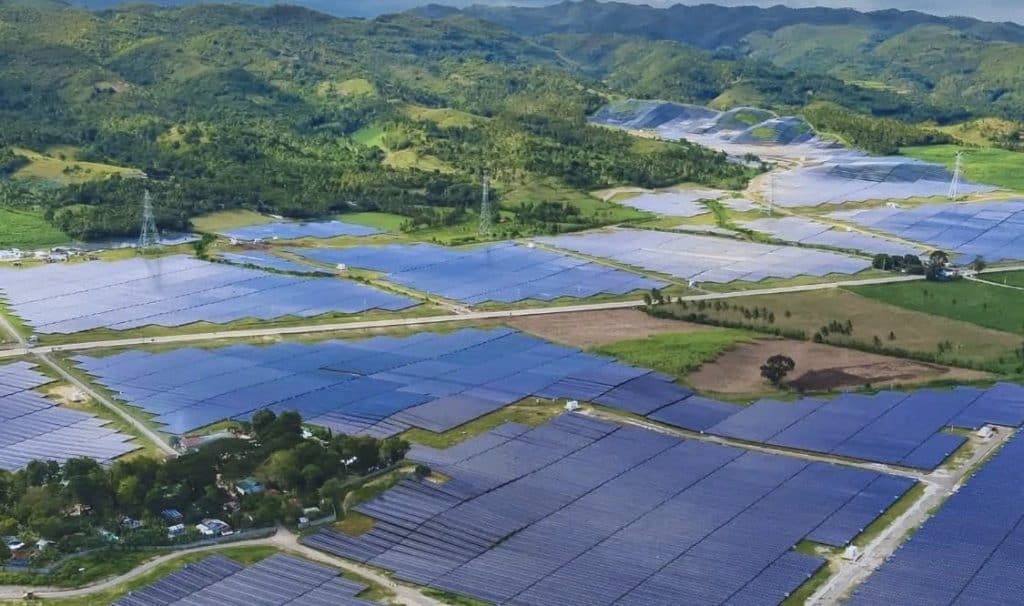
Solar power is expanding rapidly across the country. Large projects are being developed in provinces such as Nueva Ecija, Pampanga, Tarlac, Batangas, and Ilocos Norte. Building a utility scale solar plant typically requires about USD1M per megawatt (MW) of installed capacity as a rule-of-thumb. When investment and operating costs are amortized over the plant’s life, the Levelized Cost of Electricity (LCOE) for solar generally ranges between USD35 and USD72 per megawatt-hour (MWh).
For comparison, the LCOE of coal-fired power plants typically ranges between USD87 and USD117 per MWh, while combined-cycle natural gas plants generally range between USD80 and USD110 per MWh depending heavily on imported fuel prices.
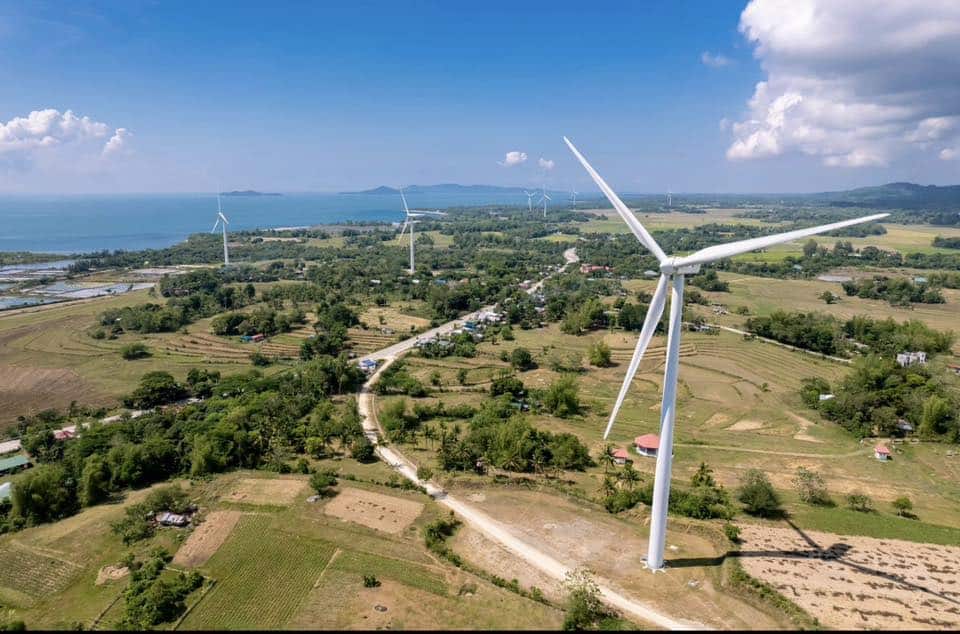
Wind farms are also expanding across the country. Major installations operate in Ilocos Norte, Guimaras, Rizal, and Northern Samar.
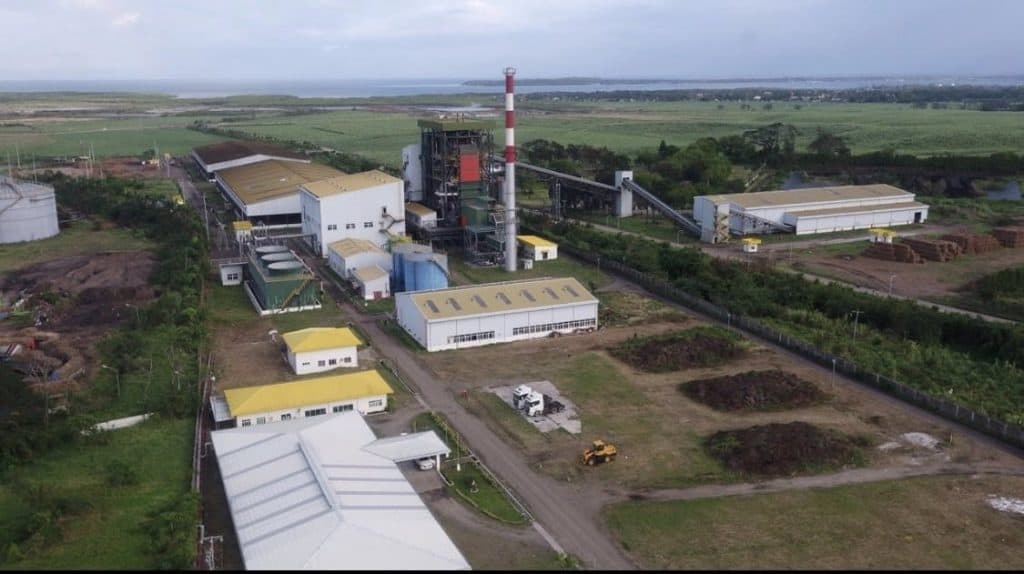
Biomass plants convert agricultural residues such as sugarcane bagasse and rice husks into electricity. These facilities operate mainly in agricultural provinces including Negros Occidental, Batangas, and Isabela.
Yet electricity prices in the Philippines remain among the highest in Southeast Asia because tariffs reflect the entire system cost. Consumers pay not only for generation but also for transmission, distribution, system losses, universal charges, and taxes. Many fossil fuel plants also operate under long-term power supply agreements indexed to fuel prices.
Another emerging opportunity lies in rooftop solar installations. Under the Net Metering Program of the Renewable Energy Act (Republic Act No. 9513), households and businesses can install solar panels and export excess electricity to the grid in exchange for bill credits.
The lesson from the current oil shock is clear. Renewable energy is not only an environmental agenda but a strategic economic policy. Expanding renewable capacity reduces exposure to imported fuel price volatility and strengthens national energy security.
From the hydropower foundations built decades ago to the solar technologies emerging today, the Philippines already possesses the resources needed for a more resilient energy future. What remains is consistent policy implementation and the discipline to pursue the transition with urgency.
Sources:Department of Energy (DOE)
Philippine Energy Plan (PEP)
National Power Corporation (NPC)|
International Renewable Energy Agency (IRENA)
Photo Credits:
Geothermal Plant – Energy Development Corporation (EDC) / Department of Energy archives
Hydropower Facility – National Power Corporation (NPC)
Solar Farm – ACEN Corporation / Philippine solar developers
Wind Farm – NorthWind Power Development Corporation / Energy Development Corporation
Biomass Plant – San Carlos Bioenergy Inc. / Philippine biomass developers
Disclaimer:
This article is a commentary based on publicly available information and does not impute criminal liability.
About the Author:
Ray G. Talimio Jr. is a Certified Public Accountant and veteran columnist on governance, economic policy, and public accountability. He is Past President and Past Chairman of the Board of the Cagayan de Oro Chamber of Commerce and Industry Foundation Inc., and a National Officer of the Philippine Institute of Certified Public Accountants. He also served as BIMP-EAGA Chairperson from 2023 to 2025.
###