

From the Sidelines
By: Ray G. Talimio Jr.
“Between Survival and Social Justice in a National Wage Regime”
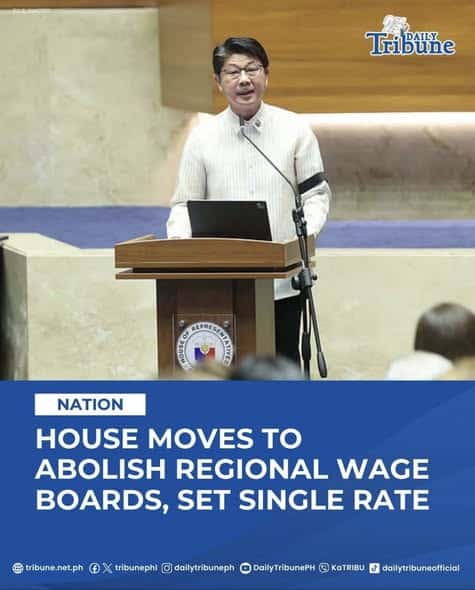
The proposal in the House of Representatives of the Philippines to abolish the Regional Tripartite Wages and Productivity Boards (RTWPBs) and impose a single national minimum wage is not a minor policy tweak. It is a structural overhaul of how wages are determined across the country.
Under the current system, RTWPBs calibrate wages based on regional conditions. Cost structures in Metro Manila differ significantly from those in Northern Mindanao or the Bangsamoro region. Removing that differentiation compresses diverse economies into a single statutory rate.
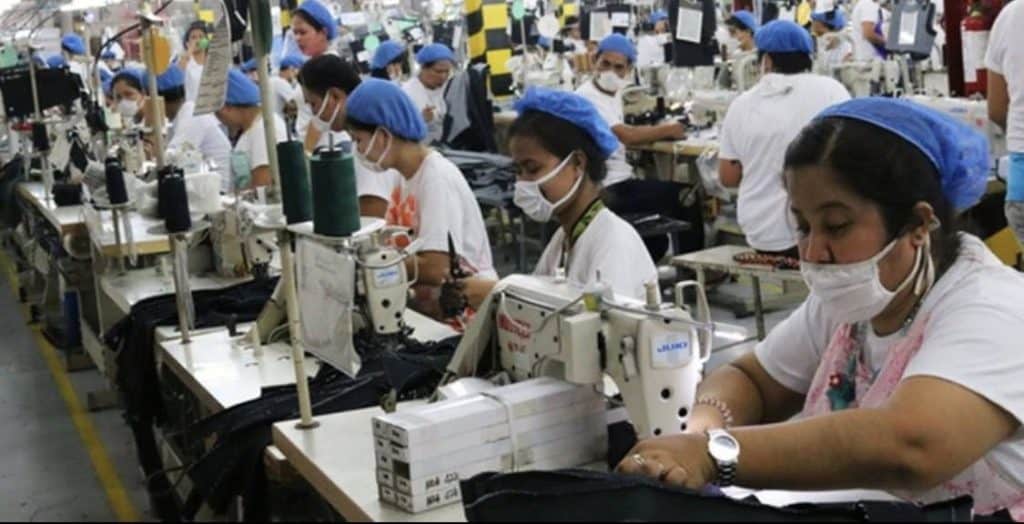
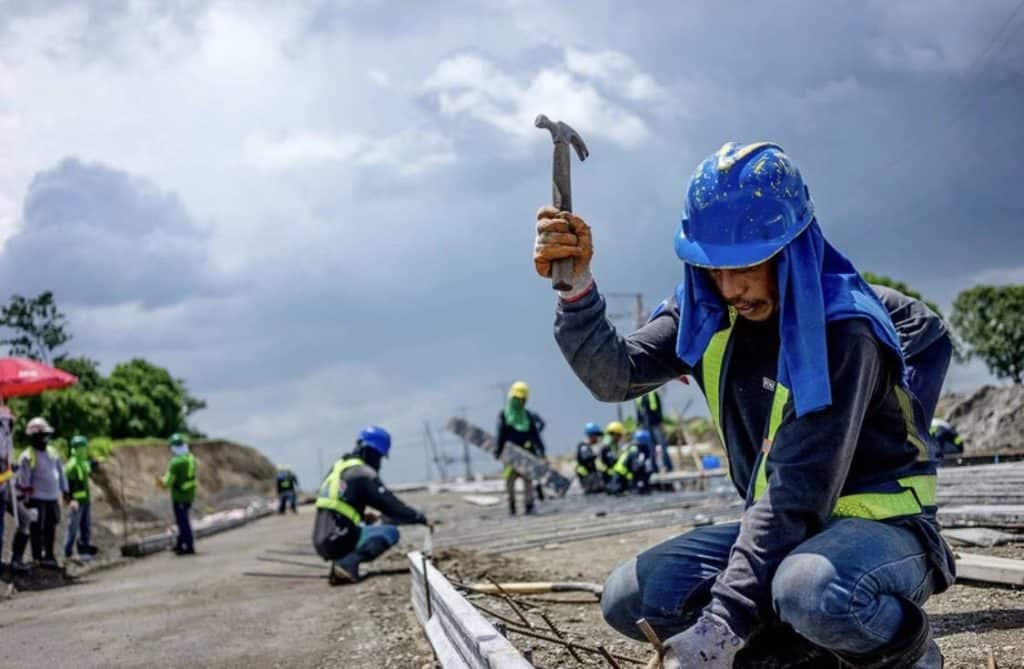
Among Micro, Small, and Medium Enterprises (MSMEs), a recurring warning is already being voiced: if a uniform national wage reflects urban benchmarks, many will be forced either to shut down operations or retrench employees. For enterprises operating on thin margins, payroll is not just a line item. It is survival. A sudden wage compression without productivity gains, infrastructure support, or tax relief could trigger contraction instead of inclusive growth.
This is not an idle threat. MSMEs account for the overwhelming majority of businesses and employ a substantial portion of the workforce. If closures or retrenchment become widespread, the reform designed to uplift labor could paradoxically reduce employment opportunities.
At the same time, labor advocates argue that workers deserve a living wage regardless of geography. A single rate may be seen as a moral statement that dignity of labor should not depend on postal code. Higher wages can enhance purchasing power and stimulate domestic demand. The objective of social justice is legitimate.
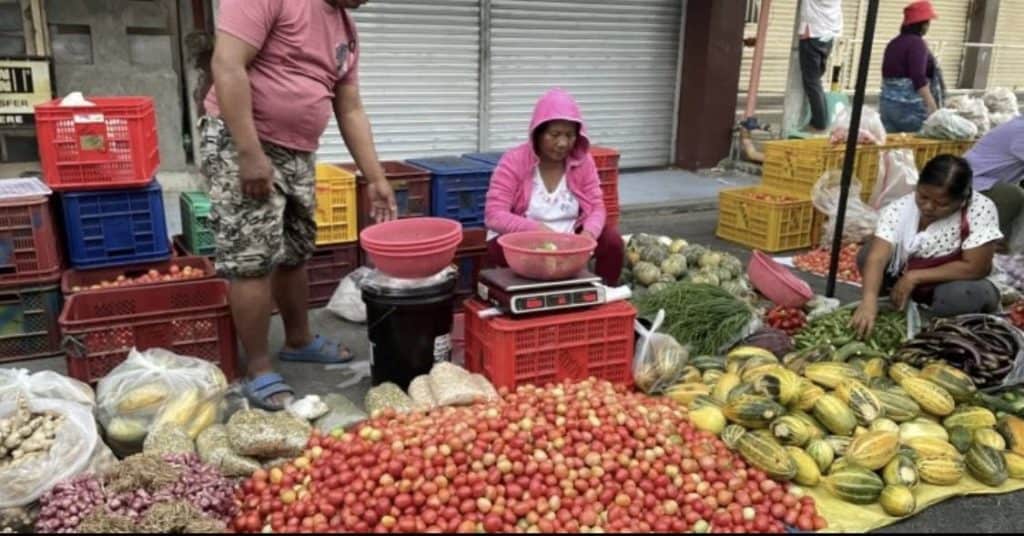
The real test lies in implementation and transition.
The Department of Labor and Employment (DOLE) and the Department of Trade and Industry (DTI) must not treat this as a purely legislative exercise. Time-bound wage subsidies, targeted tax relief, and productivity enhancement programs are essential if reform is to be sustainable.
Equally important is the response of business organizations. The Philippine Chamber of Commerce and Industry (PCCI), which positions itself as the voice of business, cannot limit its role to issuing a press release of opposition. If the sector genuinely believes that the measure threatens enterprise viability, it must engage in serious legislative advocacy, present empirical impact studies, and propose structured alternatives. Silence or symbolic resistance will not suffice.
Abolishing the RTWPBs recalibrates the social contract between labor, business, and the State. The path forward demands economic realism, not rhetoric. Reform must be both compassionate and sustainable, or it risks becoming a well intentioned disruption with unintended consequences.

Sources: Daily Tribune, “House moves to abolish regional wage boards, set single rate,” February 26, 2026, https://tribune.net.ph/…/house-moves-to-abolish…
Photo Credits: Daily Tribune official social media page
Publicly available news photos of Filipino workers
Disclaimer: This article is a policy analysis based on publicly reported legislative developments and does not constitute legal advice.
About the Author: Ray G. Talimio Jr. is a Certified Public Accountant and veteran columnist on governance, economic policy, and public accountability. He is a Past President and Past Chairman of the Board of the Cagayan de Oro Chamber of Commerce and Industry Foundation Inc. He is a former Co-Chairman of the Regional Development Council Region X Economic Development Committee and a National Officer of the Philippine Institute of Certified Public Accountants. He also served as BIMP-EAGA Chairperson from 2023 to 2025.