
From the Sidelines
By: Ray G. Talimio Jr.
“Ranking the Risks to the Philippine Economy and Migrant Workers”
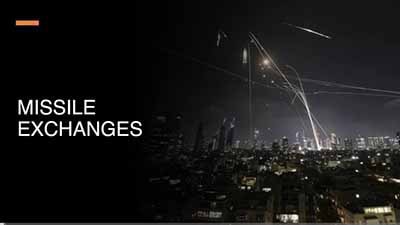
The war between Iran and Israel is no longer just a clash of regional adversaries. The United States has now entered the conflict directly. On June 21, American B‑2 stealth bombers and cruise missiles struck Iranian nuclear and military sites under a mission dubbed Operation Midnight Hammer. This intervention prompted swift retaliation. Iranian forces responded by launching missile attacks against U.S. assets and military bases in Qatar, with explosions reported near Al Udeid Air Base, one of the largest American installations in the Middle East.
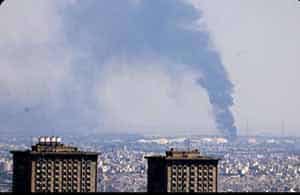
The involvement of the U.S. has escalated tensions and widened the scope of the war. The implications are no longer confined to the battlefield. The ripple effects are now reaching Asia, particularly the Philippines.

As the conflict escalates, the shockwaves are being felt across critical sectors of the Philippine economy. Based on severity and urgency, the following five areas are identified as the most affected:
- Fuel Prices and Inflation
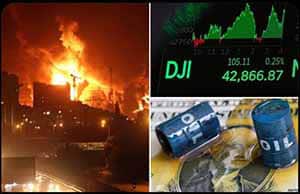
The first and most immediate casualty is the cost of fuel. Global oil prices have already surged by up to 18 percent, with further increases expected if the Strait of Hormuz becomes a battleground. For the Philippines, which imports nearly all of its oil, this translates into more expensive fuel, transport fares, electricity bills, and food prices. Inflation could breach the upper targets set by monetary authorities, especially if domestic subsidies are delayed or insufficient.
- OFWs and Repatriation
Filipinos in Israel and nearby countries such as Lebanon, Qatar, and Iraq are at high risk. Missile attacks have already injured at least four Filipino workers, prompting the Department of Migrant Workers (DMW) and the Department of Foreign Affairs (DFA) to prepare emergency evacuations. Beyond the human toll, a large-scale repatriation or deployment ban could significantly reduce remittances, which serve as a vital source of household income and consumer spending.
- Peso Depreciation and Forex Stability
Tensions in the Middle East typically trigger risk aversion in global markets. For the Philippines, this means capital flight and a stronger demand for the US dollar. The peso is under pressure. To contain its decline, the Bangko Sentral ng Pilipinas (BSP) may be forced to tap into its international reserves, which currently stand at over USD 100 billion. These reserves serve as a buffer to stabilize the exchange rate, protect importers, and curb imported inflation. While the BSP’s interventions do not directly burden the budget, excessive reserve use carries opportunity costs and long-term monetary implications.
- Government Budget Strain
As fuel subsidies, repatriation programs, and inflation relief efforts expand, the national budget will be tested. Agencies like the Department of Budget and Management (DBM) and Department of Finance (DOF) may need to reallocate funds, draw from calamity reserves, or resort to borrowing. Programs such as Pantawid Pasada, conditional cash transfers, and transport aid may need to be revived on a larger scale. The budget impact could exceed ₱100 billion if oil prices breach crisis levels.
- Trade and Shipping Disruptions
If key maritime chokepoints like the Strait of Hormuz are compromised, delays in shipping and increased logistics costs will affect trade routes to Asia, including the Philippines. Our economy, reliant on imported machinery, fuel, and intermediate goods, could face further supply chain bottlenecks and production slowdowns. Industries such as manufacturing, agriculture, and construction may feel the pinch.
The ranking above reflects not just economic logic but also humanitarian urgency. It is a reminder that global crises reverberate locally, especially for an archipelago as economically and socially linked to the world as ours.
In view of these risks, all relevant agencies must prepare. The DMW, DFA, and OWWA must establish rapid response protocols for OFW repatriation and reintegration. DOLE and POEA should facilitate emergency employment pathways. The DTI must monitor supply chains and activate price stabilization measures. The BSP should balance exchange rate management with monetary prudence, while DBM and DOF prepare standby fiscal buffers.
We are not directly involved in the war, but we cannot remain passive to its consequences. Strategic foresight, inter-agency coordination, and timely interventions are essential to protect the lives and livelihoods of Filipinos.
About the Author
Ray G. Talimio Jr. is a Past President and Past Chairman of the Board of the Cagayan de Oro Chamber of Commerce and Industry Foundation Inc. (Oro Chamber). He currently serves as Co-Chairman of the Economic Development Committee of the Regional Development Council Region X, Chairman of the MSME Development Council of Misamis Oriental and Cagayan de Oro, and Chairman of BIMP-EAGA for Northern Mindanao. He is also a current officer of the Philippine Institute of Certified Public Accountants (PICPA) and served as Past Senior Regional Director and Past Chapter President. He is a staunch advocate for MSME development, regional economic integration, good governance, and public-private partnerships.
Sources:
• U.S. Department of Defense briefing (June 21, 2025)
• Bangko Sentral ng Pilipinas
• Department of Migrant Workers
• Philippine Statistics Authority
• Bloomberg, Financial Times, and Al Jazeera reporting
Photo Credits:
Image 1: Iran–Israel missile exchange over Tel Aviv (Reuters)
Image 2: Smoke rises over Tehran after Israeli airstrikes (Getty Images)
Image 3: U.S. President Donald Trump en route to emergency briefing (AFP)
Image 4: Oil fire, Dow Jones surge, and oil barrel collage (Associated Press/MarketWatch)
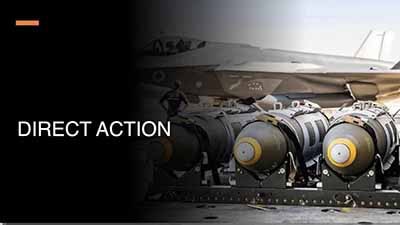
Image 5: Israeli fighter jets loading precision bombs (IDF Handout)
Image 6: Missile interceptions over Israel (Sky News)
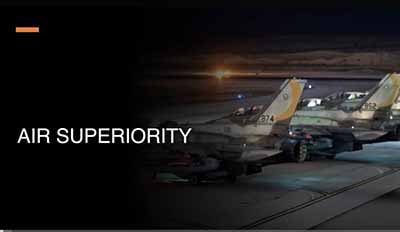
Image 7: Israeli jets stationed at undisclosed airbase (Jerusalem Post)
Disclaimer: The views expressed in this column are the author’s own and do not reflect the position of any organization he is affiliated with.