
From the Sidelines
By: Ray G. Talimio Jr.
“Fuel Taxes in a Crisis: Congress or Emergency Powers?”
The escalation of tensions in the Middle East has once again pushed global oil markets into uncertainty. For a country like the Philippines that imports almost all of its petroleum requirements, the immediate concern is simple. When oil prices surge abroad, fuel prices rise locally, and the effects ripple quickly through transportation, food, electricity, and logistics.
This is why proposals have resurfaced to suspend the excise tax and possibly the value added tax (VAT) on fuel products. The key question, however, is procedural as much as economic. Can the government act quickly enough to cushion the impact?
Under Republic Act No. 10963 or the Tax Reform for Acceleration and Inclusion Law (TRAIN Law), excise taxes on petroleum products may be automatically suspended if the average global oil price reaches eighty United States dollars (US$80) per barrel for three consecutive months. This safeguard was designed precisely for periods of sustained price spikes.
However, the current geopolitical shock may move faster than that trigger. Oil prices can surge within weeks due to disruptions in supply routes such as the Strait of Hormuz or escalating military conflict. Waiting three months may already allow inflation to spread throughout the economy.
This is where the legislative and executive options come into play.
First option: Congressional action.
The House of Representatives and the Senate can pass a law temporarily suspending or reducing fuel excise taxes and VAT. Constitutionally, taxation is a legislative power. In theory this is the cleanest legal route.
The problem is timing. The legislative process involves committee hearings, bicameral approval, and presidential signing. Even under urgent certification, the process may still take time unless Congress moves with unusual speed.
Second option: delegated emergency authority.
Some lawmakers have proposed granting the President temporary authority to suspend or reduce fuel excise taxes during an energy crisis. Discussions have already begun between Malacañang and congressional leaders on giving the President such powers to act immediately when oil prices breach critical thresholds.
Under this arrangement, Congress would pass a law once, delegating conditional authority. The President could then activate the suspension quickly without waiting for a full legislative cycle each time the market spikes.
From a policy standpoint, the issue is not merely fuel prices. The Philippines is a net oil importer, which means higher crude prices immediately translate into higher import costs, pressure on the peso, higher transport fares, and potentially higher electricity rates from fuel-fired power plants.
To understand the policy debate, it is important to see how taxes affect pump prices. Under the TRAIN Law, the excise tax on gasoline is ten pesos (P10) per liter and six pesos (P6) per liter for diesel. On top of this, the twelve percent (12%) value added tax (VAT) imposed under the National Internal Revenue Code (NIRC) is applied to the total selling price, which includes the excise tax. In practical terms, the combined effect of excise tax and VAT can add roughly twelve pesos (P12) to fourteen pesos (P14) per liter to the retail price of gasoline and about seven pesos (P7) to eight pesos (P8) per liter for diesel depending on the base import cost and distribution margins. This explains why proposals to suspend fuel taxes immediately draw attention during periods of global oil price spikes.
In short, the economic chain reaction can be swift.
The real policy choice therefore is between speed and fiscal cost. Suspending fuel taxes can reduce pump prices temporarily, but it also removes billions of pesos in government revenues that normally fund infrastructure and social programs.
As global tensions intensify, the Philippines faces a familiar dilemma. The country must decide whether to absorb the fiscal cost of tax suspension, or allow global energy prices to pass through to consumers.
In times of geopolitical shocks, however, timing may be everything.
If Congress moves slowly, emergency powers may become the only practical mechanism to respond before the next fuel price hike reaches the pump.
Sources:
Philippine Daily Inquirer
GMA News
Republic Act No. 10963 or the Tax Reform for Acceleration and Inclusion Law (TRAIN Law)
National Internal Revenue Code (NIRC)
Photo Credits:
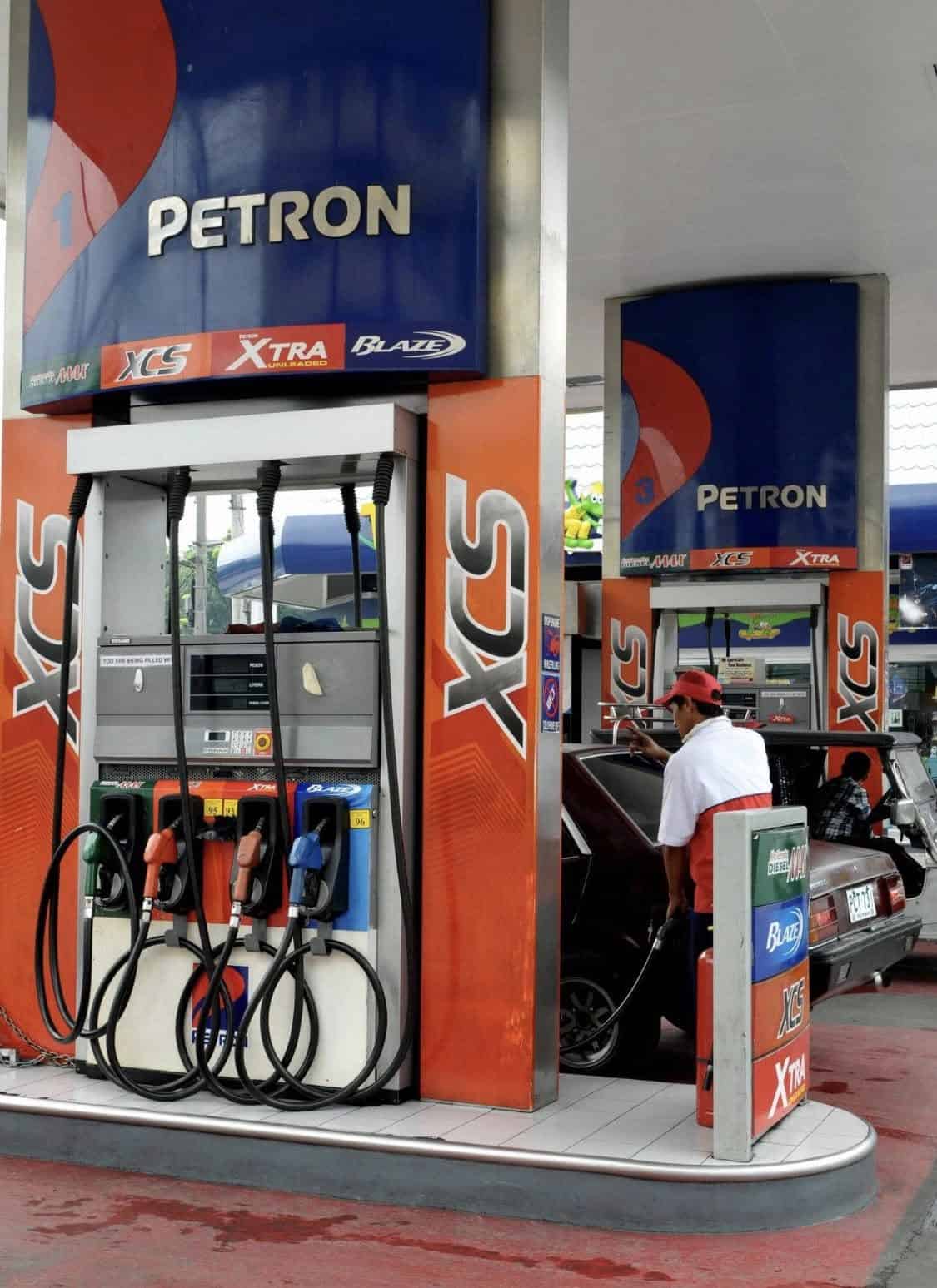
Petron fuel station photo provided by the author
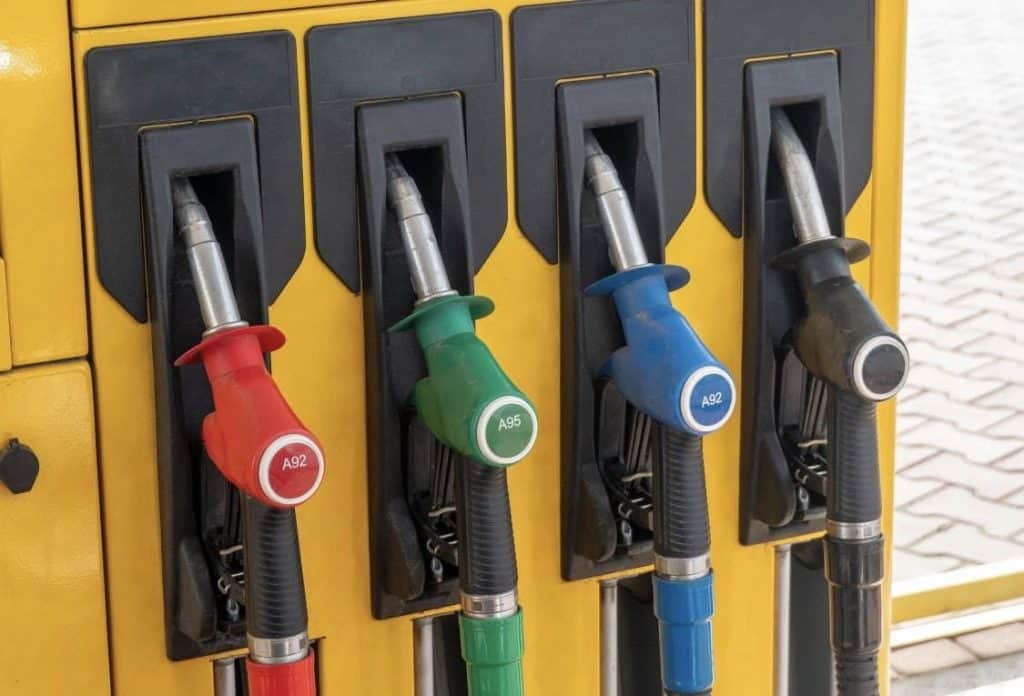
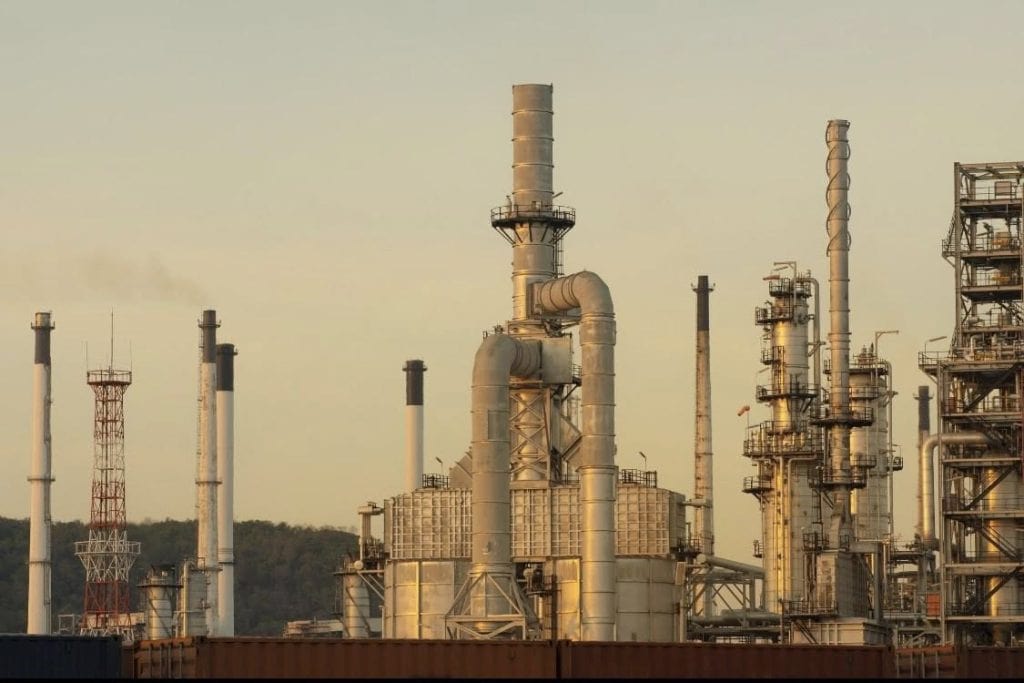
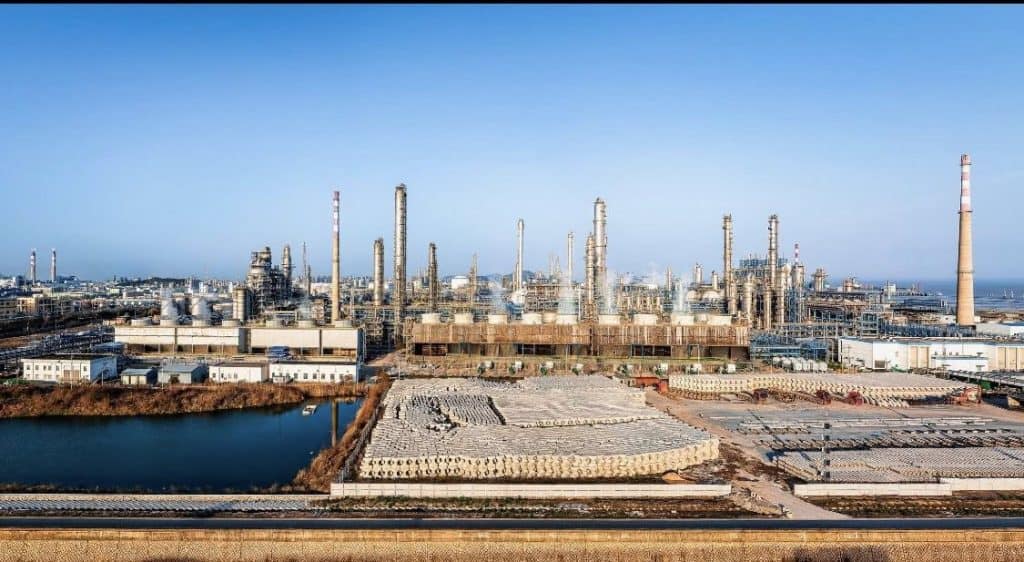
Public domain images of petroleum refineries and fuel pumps
Disclaimer:
This article is for policy discussion and public information purposes only and reflects analytical commentary based on publicly available information.
About the Author:
Ray G. Talimio Jr. is a Certified Public Accountant and veteran columnist on governance, economic policy, and public accountability. He is a Past President and Past Chairman of the Board of the Cagayan de Oro Chamber of Commerce and Industry Foundation Inc., a former Co-Chairman of the Regional Development Council Region X Economic Development Committee, a National Officer of the Philippine Institute of Certified Public Accountants, a former BIMP-EAGA Chairperson, and an active member of the Association of CPAs in Public Practice (ACPAPP).
###