
By Chris V. Panganiban
Inquirer Mindanao Bureau
SAN FRANCISCO, Agusan del Sur — D.O. Plaza Memorial Hospital (DOPMH) has clarified its handling of a patient who was brought to the facility on Aug. 17 with signs and symptoms suggestive of rabies, saying his immediate placement in an isolation room was a safety and infection-control measure and not a refusal of medical treatment.
In an official statement issued Thursday, the hospital said appropriate measures were immediately undertaken when the patient arrived to ensure that he received necessary medical attention while protecting other patients, healthcare workers, watchers and other individuals inside the facility.
“Considering the patient’s history and clinical presentation, the patient was promptly managed and placed in the designated Isolation Room in accordance with appropriate infection prevention and control measures,” the hospital said.
DOPMH said the immediate isolation was necessary to minimize the risk of potential exposure and maintain a safe environment within the healthcare facility.
The hospital also stressed that placing the patient directly in the isolation room “should not be construed as a refusal or denial of medical care.”
The statement comes after the patient’s death and amid questions raised about the circumstances surrounding his treatment.
According to the patient’s sister, the man had been bitten by a dog in June. She said he later received an anti-rabies vaccine only after he had been confined at the hospital, when he was already showing symptoms of the disease.
The sister also said a doctor had explained to them that the vaccine could no longer treat rabies once the infection had already reached the brain.
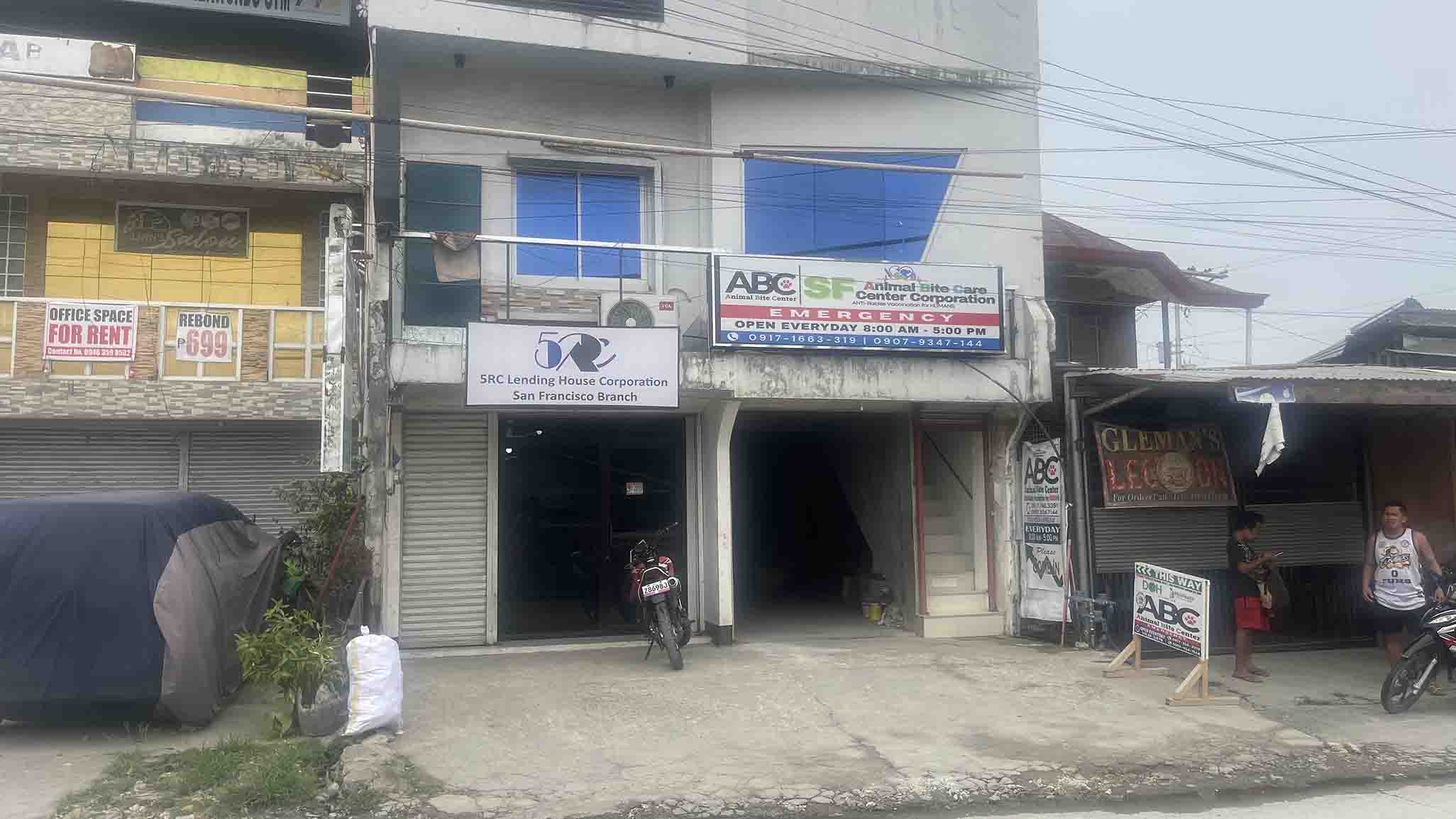
Hazel Gwen Llait, a nurse from the Animal Bite Care Center in Barangay 1 of the town, said that a rabies patient whose infection has already reached the brain is considered a critical case with a very low chance of recovery. According to her, doctors would have to closely monitor the patient for the next 24 hours to determine whether he can still survive.
The private clinic has been serving the community for two years, providing an alternative option to the government-run Animal Bite Center of the Rural Health Unit.
The patient was brought to DOPMH on Aug. 17 and was reported to have been diagnosed with rabies encephalitis. He later left the hospital and died at home, according to the earlier account. He was buried at around 9 p.m. on Aug. 18.
There was no available information in the earlier report on the whereabouts or condition of the dog involved in the June bite, or whether it had been observed or tested for rabies.
Rabies is a viral disease that is preventable when post-exposure treatment is given promptly before symptoms develop. Once clinical signs of rabies appear, however, the disease is almost invariably fatal.
DOPMH said rabies requires immediate and appropriate management, particularly when clinical signs and symptoms are already present, making strict safety and infection-prevention measures essential.
The hospital also appealed to the public to refrain from sharing unverified information about the incident, warning that inaccurate information could cause unnecessary concern and misunderstanding.
The case underscores the continuing public-health risk posed by rabies in the Philippines. The Department of Health recorded 426 human rabies deaths nationwide in 2025, according to figures cited in the earlier report.
DOPMH said it remains committed to patient-centered care, infection prevention and control, professionalism and the safety of all individuals entrusted to its care.
###