

By CHRIS V. PANGANIBAN
SAN FRANCISCO, Agusan del Sur — The death of Agusan del Sur basketball standout Rene Clert Baterbonia has raised renewed concerns over athlete protection systems in local sports development programs, particularly when athletes transition from Local Government Unit (LGU)-supported initiatives to school or collegiate teams.
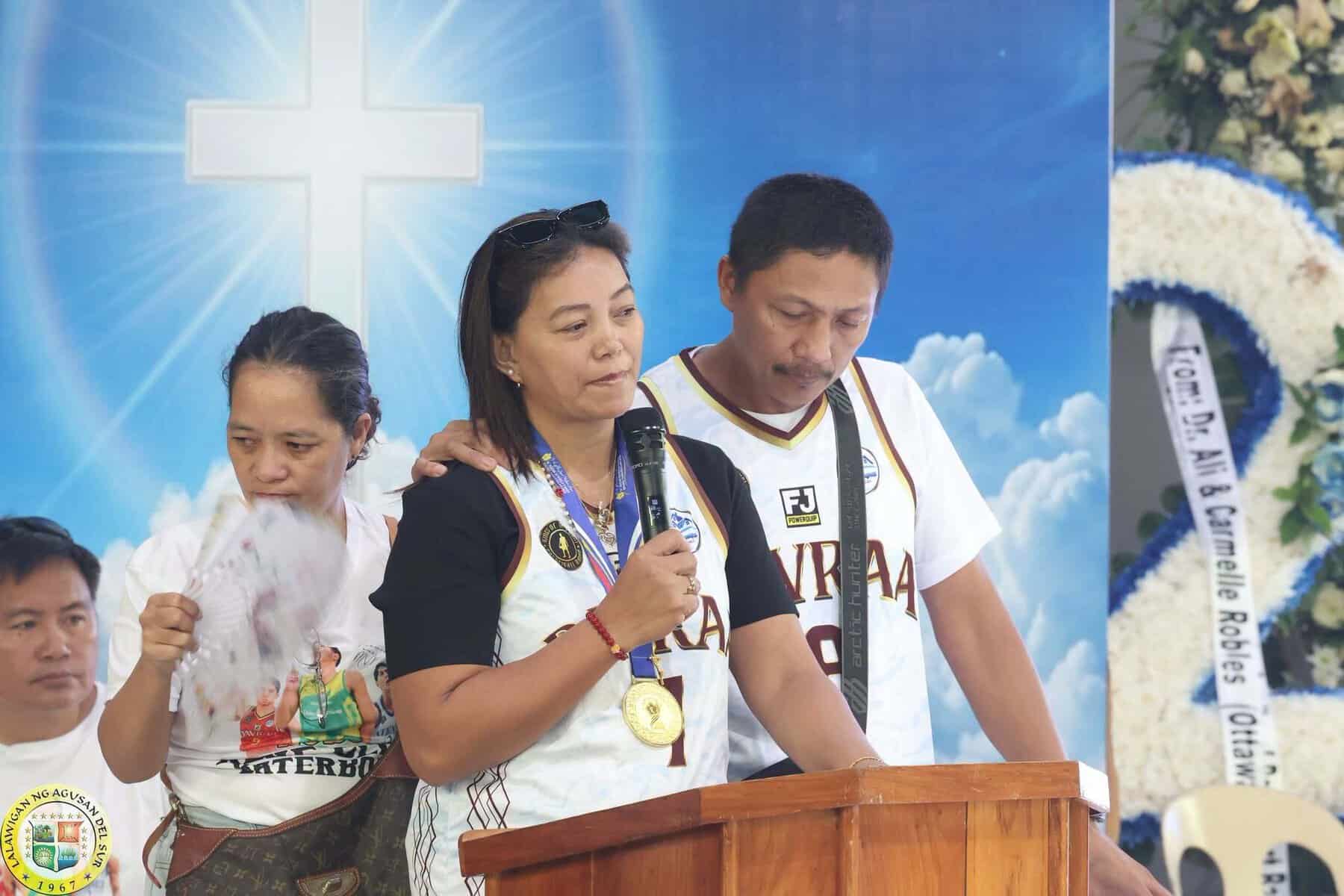
Baterbonia’s mother, Rovelyn, has publicly questioned whether the family was properly informed about the activity that preceded her son’s death.
While no publicly verified contract or parental consent document has been presented, the issue has drawn wider attention after the Commission on Higher Education (CHED) issued a show-cause order to Ateneo de Manila University in connection with the deaths of Baterbonia and fellow student-athlete Divine Adili.
The incident has highlighted what stakeholders describe as possible gaps in athlete welfare safeguards, particularly in transfer arrangements from LGU programs to higher-level teams. Calls have been made for clearer protocols, including parental briefings, written consent, emergency contacts, medical safeguards, and continued monitoring by LGUs even after athletes are recruited.
Agusan del Sur Gov. Santiago Cane Jr., in an online interview, said that for athletes below 18 years old, a written and notarized agreement between parents and recruiting schools or organizations should be required, clearly outlining safety provisions, benefits, and emoluments. He said he plans to consult members of the Sangguniang Panlalawigan on possible policies to strengthen athlete protection.
Democrito “Boyet” Plaza III, brother of 2nd District Rep. Adolph Edward Plaza, also emphasized the importance of early sports development through structured grassroots programs such as inter-barangay leagues starting at age 10.

He cited the importance of parental involvement in training and referenced international models of youth sports development, as well as Filipina tennis player Alex Eala, who began competitive training at age 12.
Plaza’s children, Rocky and Marty, both played football for Ateneo de Manila University during their teenage years. Rocky was also part of the National Capital Region team that won the secondary boys football championship in the 2009 Palarong Pambansa held in Tacloban City.
Meanwhile, Elias Tabac of Bayugan City, trainer of Caraga region athletes in the Palarong Pambansa 20who recently won gold at the Spartan Beast Race in Pattaya, Thailand, said LGU sports programs should maintain clear records of where athletes are assigned and ensure that local officials are properly informed to provide guidance.
In an online interview, Tabac stressed that commitments to athletes should be backed by formal agreements before they are fully absorbed into school or competitive programs, adding that no athlete should enter a program without a signed contract upon entry. He said such safeguards are necessary to ensure safety, accountability, and access to support such as free tuition, dormitory accommodation, meals, allowances, and medical care.
###