By CHRIS V. PANGANIBAN
SAN FRANCISCO, Agusan del Sur — In Caraga Region, stories of new beginnings are unfolding — one child, one family at a time.
Since 2023, at least 212 children across the region have been reached by adoption and foster care programs under the National Authority for Child Care (NACC). Of these, 55 children are now living with their adoptive parents, 73 are under licensed foster care, and 30 more have been declared legally available for adoption this year.
The numbers make Caraga one of the country’s most active regions in giving abandoned and neglected children a second chance at family life.
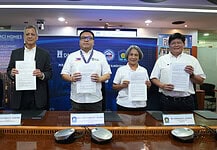
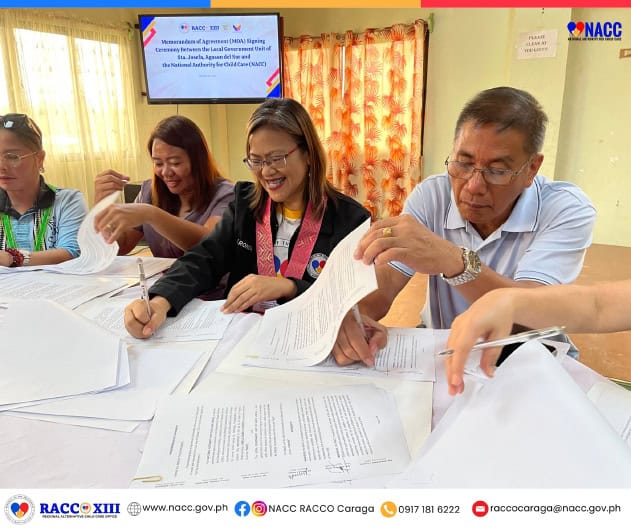
To keep that momentum, the Municipality of Sta. Josefa in Agusan del Sur became the latest to formalize its partnership with NACC on October 21. The town is now one of only six local governments in the Philippines to sign such an agreement.
“This partnership shows our shared commitment to ensure that no child grows up without a family,” said NACC Director for Operations and Services Imelda Ronda, who represented Undersecretary Janella Ejercito Estrada during the signing.
Under the deal, the Sta. Josefa Municipal Social Welfare and Development Office (MSWDO) will identify and train foster parents, prepare adoption petitions, and process certifications declaring children legally available for adoption.
The NACC, through its Regional Alternative Child Care Office (RACCO) Caraga, will assist in processing these cases and train local personnel through Trust-Based Relational Intervention (TBRI) — a trauma-informed approach that helps children recover from abuse, neglect, or early trauma.
RACCO Caraga OIC Emily Sanogal said the initiative aims to build a child-centered mechanism that ensures every child’s right to a permanent and loving home.
The Department of the Interior and Local Government (DILG) and the Council for the Welfare of Children (CWC) have also included NACC’s programs in the Child-Friendly Local Governance Audit, a move that recognizes child care as an important measure of local governance.
###