
By Chris V. Panganiba
Inquirer Mindanao Bureau
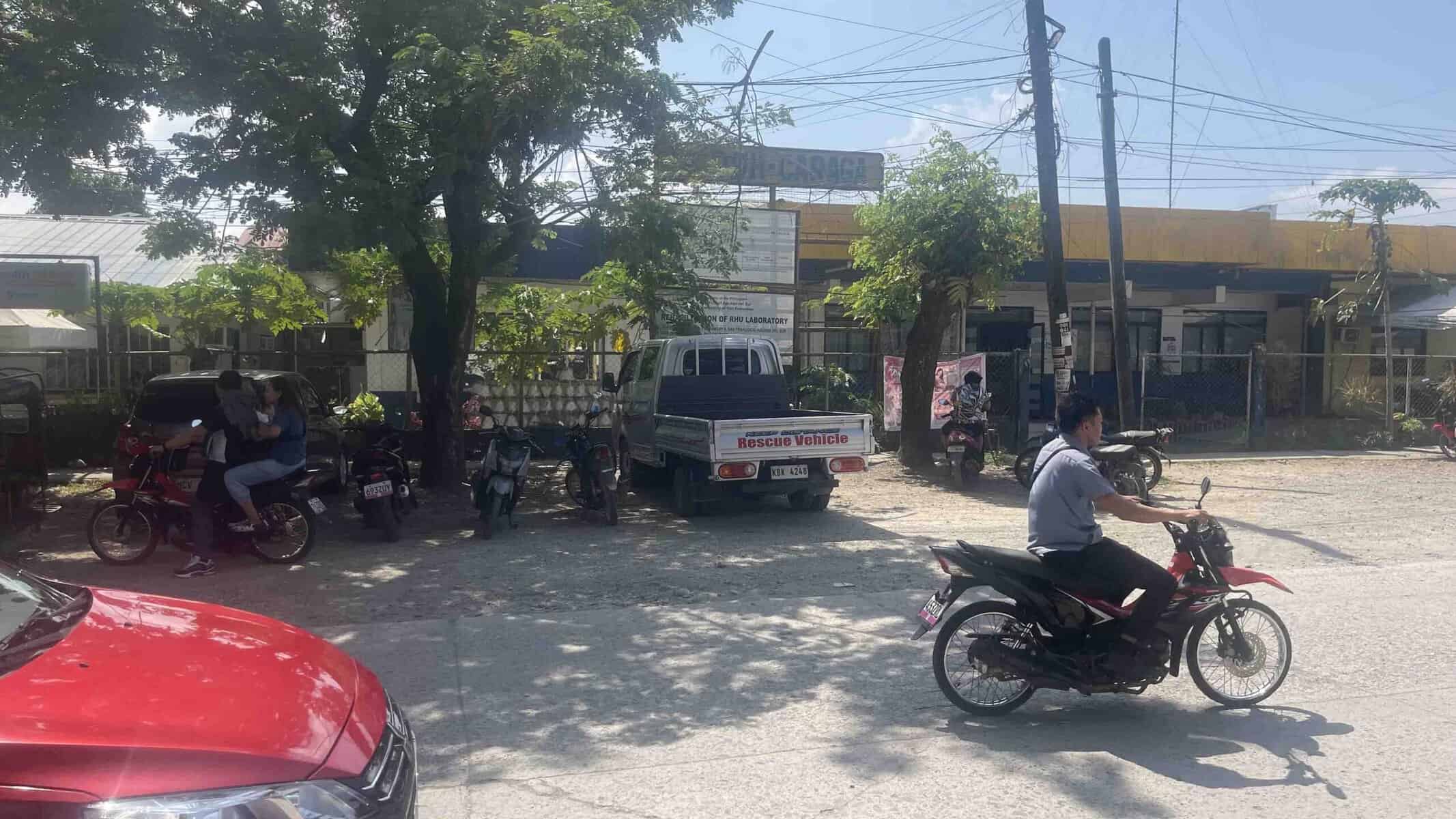
SAN FRANCISCO, AGUSAN DEL SUR — Local officials have explained the immediate burial of a resident who was diagnosed with rabies encephalitis, following questions raised by the victim’s family regarding the diagnosis, the handling of the remains, and the administration of anti-rabies vaccination to relatives.
According to Mayor Grace Carmel Paredes-Bravo, the Municipal Health Officer (MHO) received a report on Monday evening, August 17, 2026, regarding a patient from San Francisco who was admitted at D.O. Plaza Memorial Hospital (DOPMH) and later diagnosed with rabies encephalitis. The patient reportedly left the hospital and returned home before his death.
After receiving the report, the Municipal Health Office conducted case investigation and contact tracing to identify individuals who may have been exposed and determine who may require medical assessment and possible anti-rabies vaccination.
A medical abstract issued by DOPMH documented the patient’s final diagnosis as rabies encephalitis. The record noted the patient’s medical history, physical findings, hospital management, and the attending physician’s assessment.
The medical document indicated that the patient had developed symptoms consistent with neurological involvement before the final diagnosis was recorded. The abstract also documented supportive medical management during hospitalization.
According to the patient’s sister, who was interviewed online, her brother had reportedly been bitten by a dog last June. She said the family was seeking clearer explanations regarding the diagnosis and the recommendation for anti-rabies vaccination among relatives.
The patient’s sister, who provided a copy of the medical abstract during an interview, said the family is seeking further clarification regarding her brother’s diagnosis.
She said the family is requesting laboratory results or other confirmatory medical records that could explain the basis for the diagnosis of rabies encephalitis. According to her, the family understands the seriousness of rabies but wants additional information regarding how the diagnosis was established.
The medical abstract from DOPMH lists rabies encephalitis as the patient’s final diagnosis. However, the family said they are asking health authorities and medical professionals for further explanation, particularly regarding the diagnostic process and the recommendation for anti-rabies vaccination among relatives.
Health officials, meanwhile, maintain that medical assessment, exposure investigation, and public health protocols guide decisions on managing suspected rabies cases, including identifying individuals who may require post-exposure vaccination.
Municipal officials explained that rabies encephalitis is a serious and fatal disease requiring strict public health measures.
The local government stated that the actions taken were based on existing protocols for dangerous communicable diseases. Officials cited Presidential Decree No. 856, or the Code on Sanitation of the Philippines, and Department of Health guidelines regarding the handling and disposal of remains involving dangerous communicable diseases.
Under these guidelines, officials explained that certain procedures, including embalming and public viewing, may be restricted to reduce possible health risks when death is associated with a dangerous communicable disease.
Similar public health concerns involving human rabies have also been reported in other parts of the country, including the Cordillera Administrative Region (CAR). In 2019, health authorities in the region reminded communities about the dangers of human rabies and emphasized immediate consultation, proper wound care, and completion of anti-rabies vaccination after possible exposure.
Health authorities continue to stress that suspected rabies cases require proper medical assessment, contact tracing, and preventive action. Officials maintain that these measures are intended to protect individuals who may have been exposed while following established health guidelines.
The mayor said the Municipal Health Office informed the funeral service provider about the diagnosis, resulting in the implementation of special handling procedures. Personnel handling the remains reportedly used appropriate personal protective equipment.
Officials said the Provincial Health Office required a water-tight burial arrangement. After consultation with the Municipal Engineer, authorities determined that constructing a permanent water-tight vault within the required timeframe would not be possible.
A concrete vault was secured from San Lorenzo Ruiz Memorial Gardens, which officials said had also been used for previous public health-related burials.
The mayor further explained that the release of the remains was delayed because of an outstanding funeral service balance amounting to ₱8,000. The amount was reportedly settled by Sangguniang Bayan Member John Paredes to allow the burial arrangements to proceed.
The burial was completed at around 9:00 p.m. on Tuesday, August 18, 2026.
While local officials maintain that the procedures followed existing public health protocols, the family continues to seek additional information regarding the diagnosis, exposure risks, and vaccination recommendations.
Health authorities explain that anti-rabies vaccination decisions are based on exposure assessment and medical evaluation. Individuals who may have had contact with a possible rabies case are advised to consult health professionals for proper assessment.
The incident highlights the challenge of balancing public health protection with the need for transparency, compassion, and communication with families experiencing sudden loss.
###