
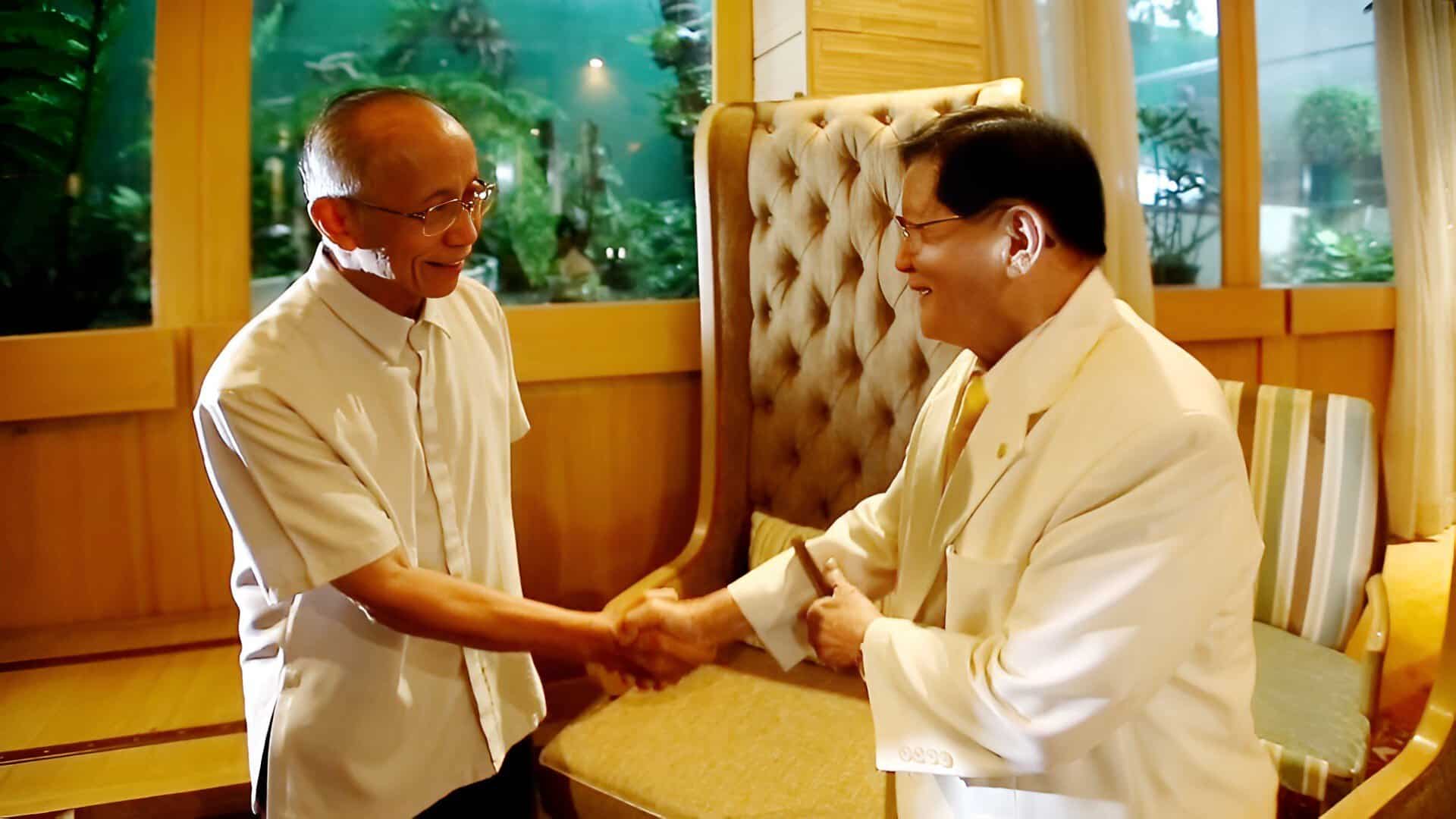
Archbishop Emeritus Antonio J. Ledesma of Cagayan de Oro has appealed for due process and humanitarian consideration in the ongoing legal proceedings involving 95-year-old Lee Man-hee, Chairman of Heavenly Culture, World Peace, Restoration of Light (HWPL) and the Shincheonji Church of Jesus, citing their years of collaboration in advancing interfaith dialogue and peacebuilding efforts in Mindanao.
Lee, internationally known for leading HWPL’s peace initiatives, is currently detained in South Korea while awaiting trial on allegations of political interference. The Shincheonji Church of Jesus denies the allegations, saying Lee fully cooperated with investigators, did not instruct members to join political parties, and poses no risk of flight or destruction of evidence.
Ledesma cites firsthand peacebuilding experience
In a letter issued after learning of Lee’s detention, Ledesma expressed concern over the arrest and called for an independent judicial process.
“I express deep concern upon hearing the news that Chairman Lee Man-hee, with whom I have long maintained contact and worked together for peace in Mindanao, has been arrested,” he wrote.
Ledesma said he personally witnessed Lee, as HWPL Chairman, bring together religious leaders from different faiths to foster dialogue and reconciliation in conflict-affected communities.
“His dedication has inspired many people, including myself, and has made a meaningful contribution to the process of reconciliation and peacebuilding in Mindanao,” he said.
While expressing confidence in South Korea’s judicial system, Ledesma said he hopes Lee, 95, can undergo legal proceedings without detention, provided there is no risk of flight or destruction of evidence, adding that “justice is more fully realized when due process, fairness, and respect for human dignity are upheld together.”
HWPL’s peace work in Mindanao
Ledesma first met Lee in 2013 through HWPL’s interfaith peace initiatives in Mindanao. In January 2014, HWPL facilitated a civilian peace agreement involving around 300 political, religious, and community leaders, committing to peaceful cooperation between Christian and Muslim communities. Among the signatories were then-Maguindanao Governor Ismael Mangudadatu and former Davao Archbishop Fernando Capalla.
Later that year, Ledesma signed the Pact of Religious Unity during the World Peace Summit in South Korea and has since participated in HWPL programs, including the International Religious Peace Academy (IRPA) and the National Peace Convention in the Philippines.
Case gains international attention
The case has also drawn attention from international observers of religious freedom. Italian sociologist of religion Dr. Massimo Introvigne, founder of the Center for Studies on New Religions (CESNUR), wrote in Bitter Winter that the case should be resolved through evidence and established legal principles, adding that it has raised broader discussions on judicial fairness and religious freedom in South Korea.
Ledesma’s appeal adds a Philippine voice to the growing international attention surrounding the case, highlighting Lee’s role in interfaith peacebuilding efforts in Mindanao alongside continuing calls for due process and humanitarian consideration.