
For decades, geographic distance and uneven digital infrastructure have limited the delivery of government services across the country. Slow and unreliable connectivity has hindered coordination among agencies, delayed access to critical public services, and weakened emergency response efforts, particularly in geographically isolated and disaster-prone communities.
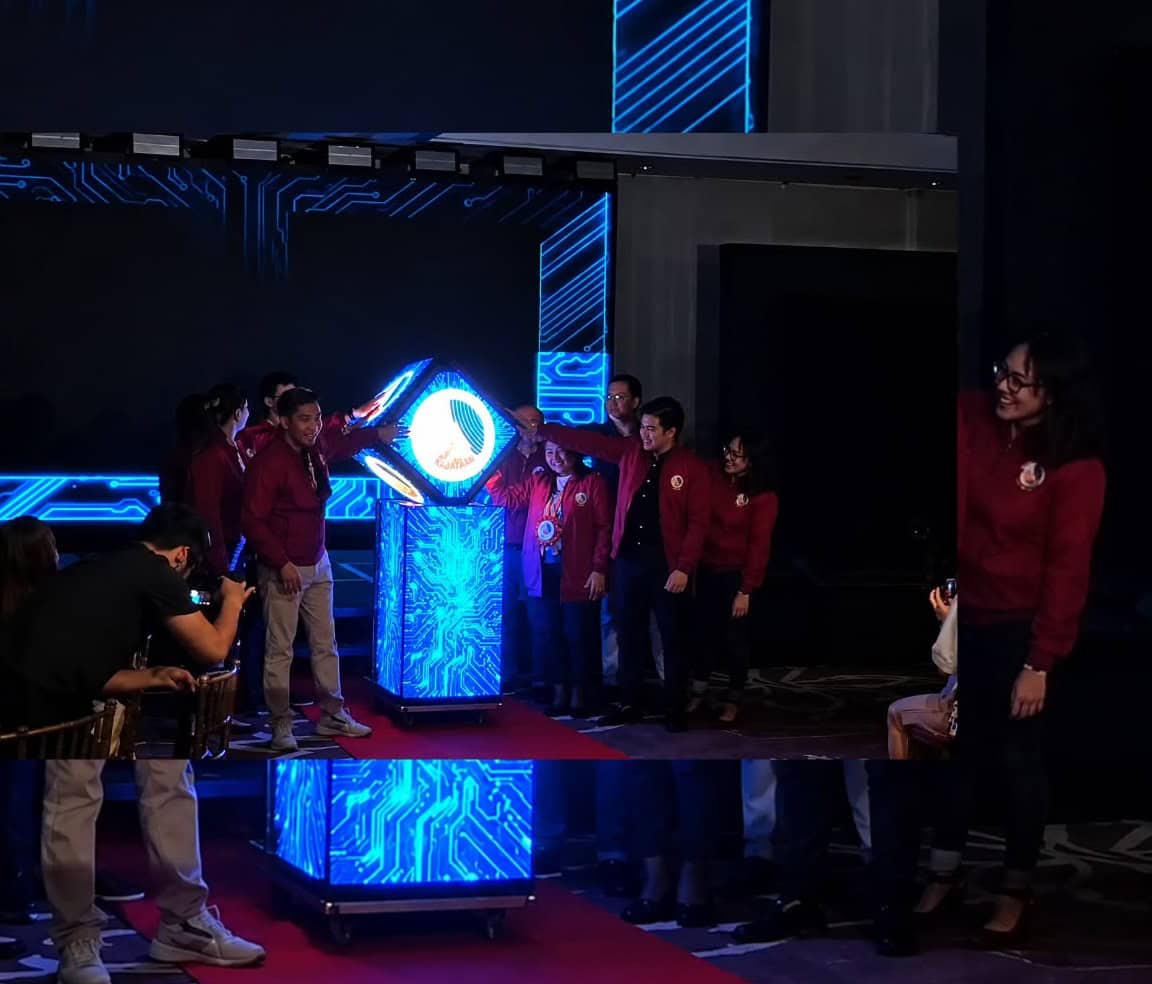
In line with President Ferdinand R. Marcos Jr.’s directive to accelerate digital transformation and build a more connected Philippines, the Department of Information and Communications Technology (DICT) has officially launched Phase 1 of the Mindanao Integrated Government Network (MIGN) under the National Fiber Backbone Project.
The launch marks a major milestone in fulfilling the President’s vision of seamlessly connecting Luzon, Visayas, and Mindanao through a unified digital infrastructure that enables faster government services, stronger disaster resilience, and greater economic opportunities for Filipinos nationwide.
Through Phase 1, the DICT has successfully interconnected approximately 500 government agencies and facilities across key Mindanao hubs, including Cagayan de Oro, Butuan, Davao City, Koronadal, and Pagadian. The network forms part of the country’s expanding National Fiber Backbone, creating a secure, high-speed digital highway that links government offices across regions into a single, integrated ecosystem.
Among the agencies connected to the network are the Department of Education (DepEd), Technical Education and Skills Development Authority (TESDA), Department of Labor and Employment (DOLE), Department of Public Works and Highways (DPWH), Department of Environment and Natural Resources (DENR), and the Office of Civil Defense (OCD).
The impact of this connectivity extends far beyond government offices. By strengthening digital links across Mindanao, the project is expected to benefit approximately 5.3 million Filipinos through faster, more reliable, and more responsive public services.
For students, workers, and communities, the network enables faster access to education, employment, and government services, while allowing agencies and local governments to coordinate and respond more efficiently through real-time data sharing.
Most importantly, the network strengthens disaster preparedness and emergency response capabilities. During earthquakes, typhoons, floods, and other emergencies, government agencies can coordinate more effectively, share critical information in real time, and respond faster to communities in need.
DICT Secretary Henry R. Aguda underscored the importance of connectivity as a fundamental public service: “Connectivity is not just convenience, it is a lifeline. It is coordination, safety, and faster response when every second matters. This is the real promise: not just better technology, but better service. Not just faster internet, but faster response to people’s needs.”
The launch of the Mindanao Integrated Government Network Phase 1 represents another significant step toward the administration’s vision of a digitally empowered nation. By connecting government institutions across islands and regions, the DICT continues to build the digital foundations of a Bagong Pilipinas, one where no community is left behind, distance is no longer a barrier, and every Filipino can benefit from a more connected future. DICT PRESS RELEASE/PIA PHOTO