
From the Sidelines
By: Ray G. Talimio Jr.
“Who Pays for Demurrage at Oro Port?”
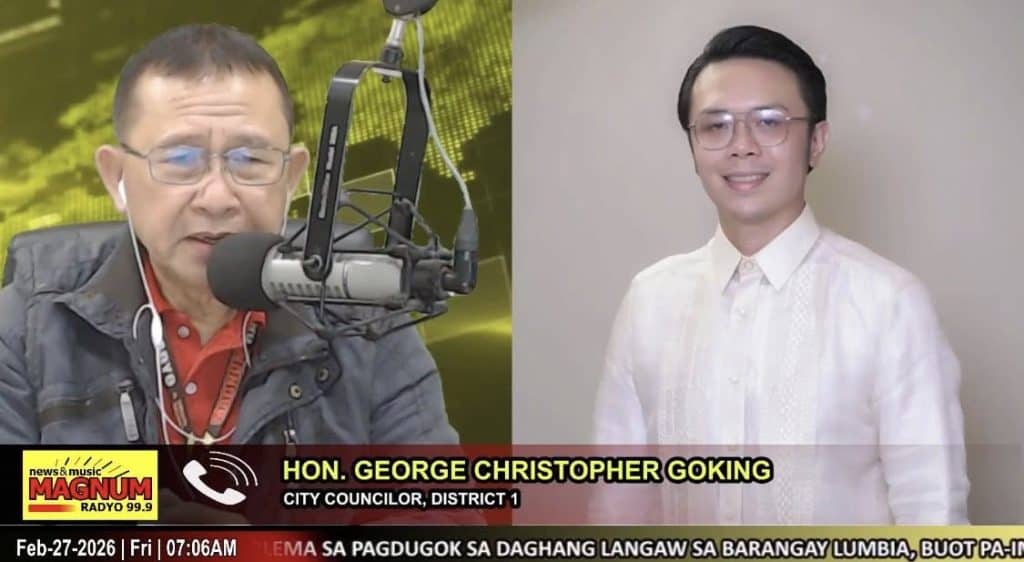
Rice prices in Cagayan de Oro City (CdeO) have quietly inched upward in recent months. During a February 27, 2026 radio interview on Magnum Radio 99.9, City Councilor George Christopher Goking attributed the spike to congestion at the Port of Cagayan de Oro, commonly referred to as Oro Port. According to him, prolonged vessel queuing led to demurrage charges which were eventually passed on to importers and ultimately to consumers.
Demurrage is not theoretical. It is a real cost imposed when vessels exceed their allowable free time at berth. When congestion stretches to twenty (20) or even thirty (30) days, those charges accumulate quickly. The question, however, is more fundamental. If vessel arrivals are scheduled in advance and berths are assigned based on approved manifests, why does congestion still reach such extended periods?
Several structural issues may be contributing.
First, berth capacity versus volume. The Philippine Ports Authority (PPA) regulates port operations nationwide, including berth allocation and cargo handling standards. If simultaneous bulk arrivals exceed unloading capacity, queue time inevitably rises.
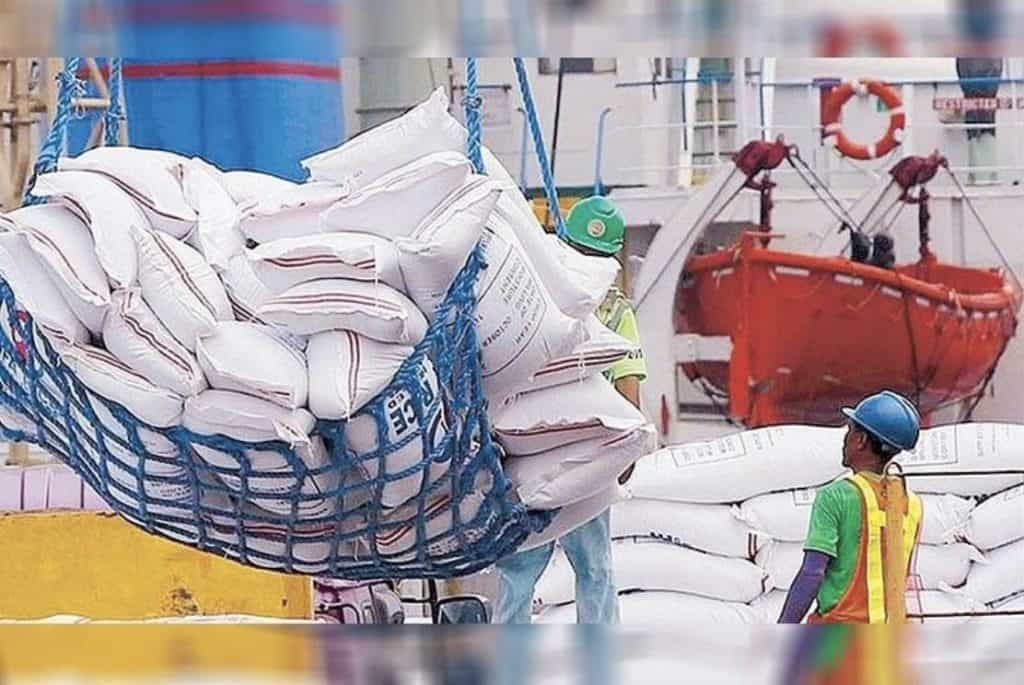
Second, equipment and manpower limitations. Bulk rice importation requires efficient cranes, grab unloaders, and bagging facilities. Any mechanical breakdown or labor bottleneck creates cascading delays.
Third, customs clearance processes. The Bureau of Customs (BOC) must complete documentary and inspection procedures before cargo release. Even short administrative delays can extend vessel stay when volumes are high.
Fourth, trucking and warehouse turnaround. If inland logistics cannot absorb the discharged volume promptly, storage backlogs slow down subsequent unloading operations.
Fifth, adverse weather conditions. Heavy rains, strong winds, or rough sea conditions can temporarily suspend unloading operations, especially for bulk and perishable cargo. When weather disruptions coincide with high vessel volume, backlogs compound quickly and extend berth occupancy beyond planned schedules.
Port congestion is therefore rarely caused by a single factor. It is often the convergence of berth allocation, equipment capacity, customs processing, weather interruptions, and landside logistics.
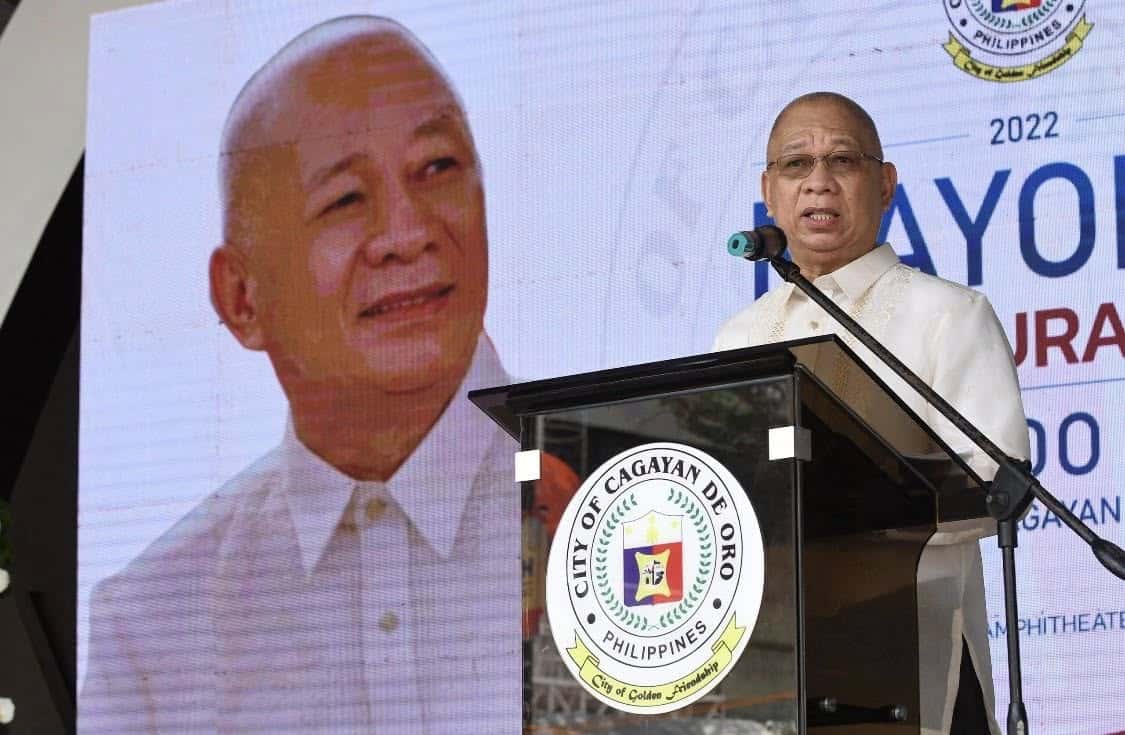
At this point, the intervention of City Mayor Rolando “Klarex” Uy becomes necessary. While port operations fall under national regulatory supervision through PPA, the local chief executive can formally request operational prioritization for essential commodities such as rice. A dedicated berth allocation for vessels carrying rice would minimize queue exposure and reduce demurrage risks. It is a positive development that Mayor Klarex remains actively engaged and has the time to issue a formal letter request to avert another round of unloading delays. If such prioritization is sustained, market adjustments could reasonably reflect in lower landed costs, and we may expect a decline in rice prices within the next sixty (60) days or so.
It must also be recognized that City Councilor George Christopher Goking, in his capacity as Chairman of the Committee on Trade and Commerce, has provided the necessary timely action to monitor, review, and control rice price movements in the city. Legislative oversight at the local level complements executive coordination, ensuring that price monitoring mechanisms remain active while logistical bottlenecks are being addressed.
What is clear is this: demurrage is added to the landed cost of rice. Once embedded in import cost, it flows through wholesalers, retailers, and finally to households. Consumers in CdeO end up paying for inefficiencies they did not create.
The policy question now is whether Oro Port requires capacity expansion, process streamlining, or better coordination between PPA, BOC, importers, and logistics operators. If congestion is recurring and persistent, then it becomes not merely an operational issue but an economic one directly affecting food security.
Sources: Magnum Radio 99.9 interview dated February 27, 2026; Philippine Ports Authority; Bureau of Customs
Photo Credits: Mayor Rolando “Klarex” Uy official photo courtesy of the City Government of Cagayan de Oro
Radio interview screenshot featuring Hon. George Christopher Goking courtesy of Magnum Radio 99.9
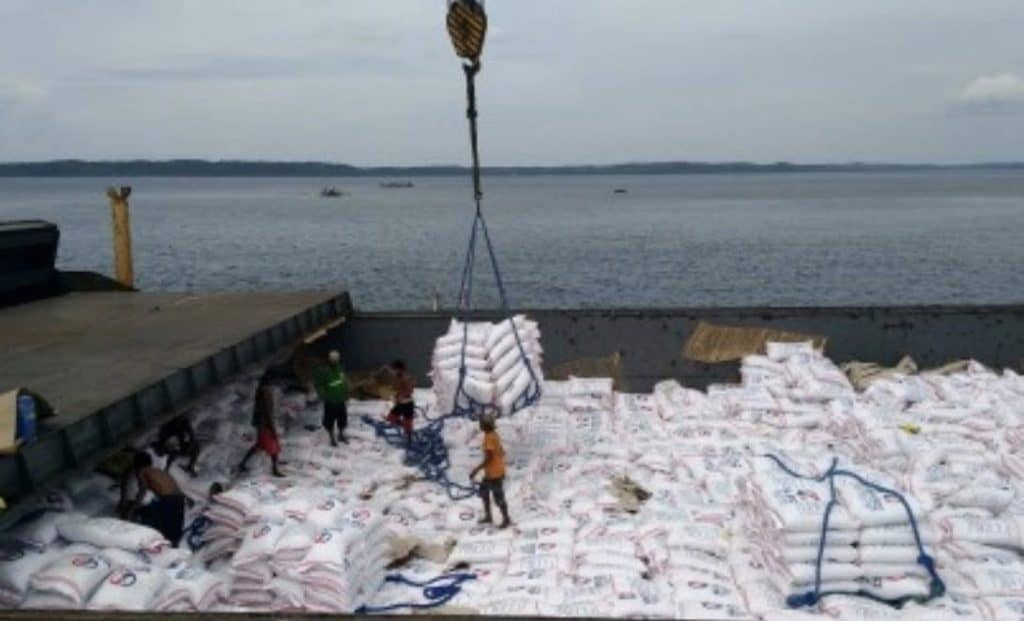
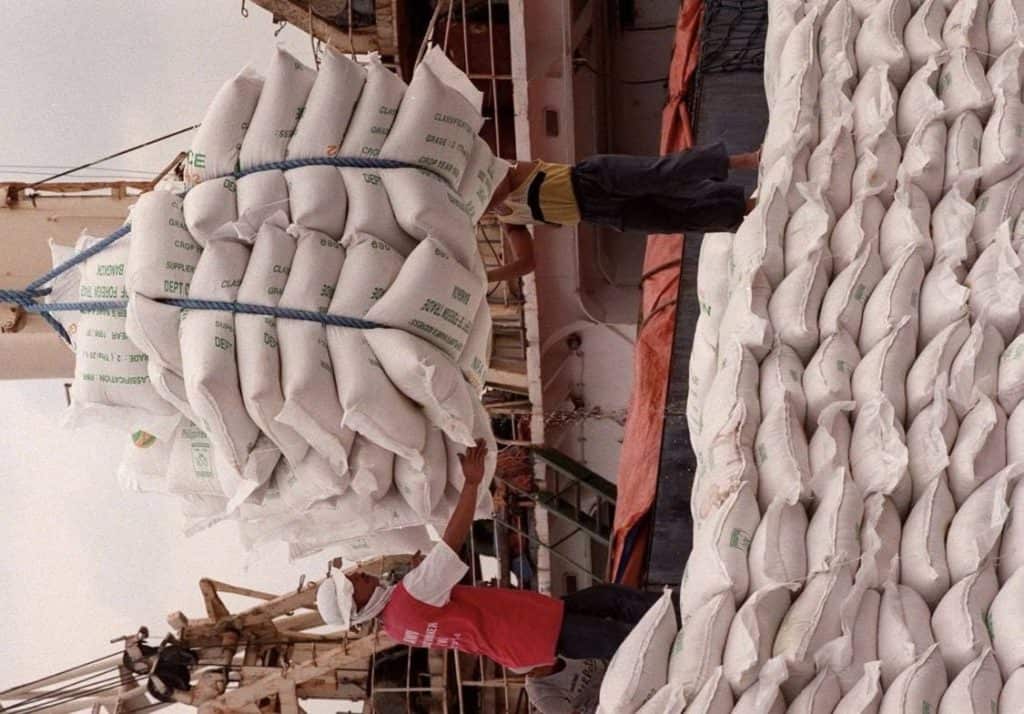
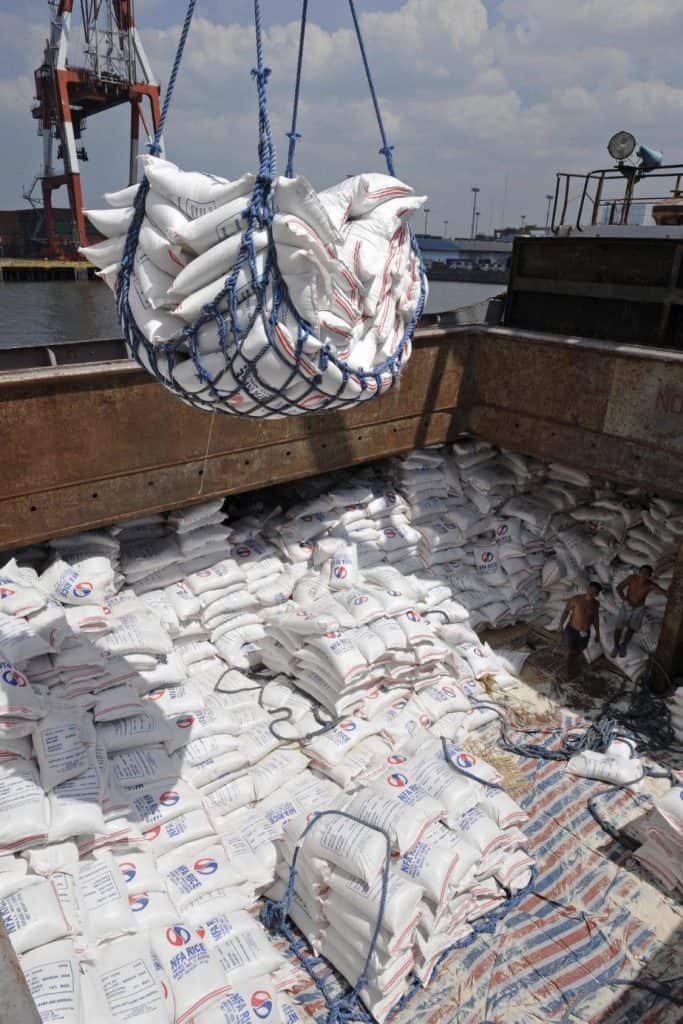
Rice unloading operations and bulk cargo handling images provided in this article
National Food Authority rice importation unloading operations photo
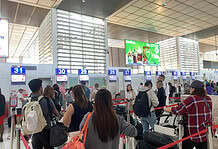
Philippine port terminal and vessel operations images
Disclaimer: This article is based on publicly aired statements and general port operations principles. It does not attribute fault to any specific agency without formal investigation findings.
About the Author: Ray G. Talimio Jr. is a Certified Public Accountant and veteran columnist on governance, economic policy, and public accountability. He is a Past President and Past Chairman of the Board of the Cagayan de Oro Chamber of Commerce and Industry Foundation Inc. He is a former Co-Chairman of the Regional Development Council Region X Economic Development Committee and a National Officer of the Philippine Institute of Certified Public Accountants. He also served as BIMP-EAGA Chairperson from 2023 to 2025.