
BY CHRIS V. PANGANIBAN
SAN FRANCISCO, Agusan del Sur— With a growing sense of vigilance, village officials and key stakeholders in Agusan del Sur’s 322 barangays are now fully equipped to monitor government infrastructure projects, ensuring that “ghost” projects—those that are non-existent or unfinished—have no place in their province.
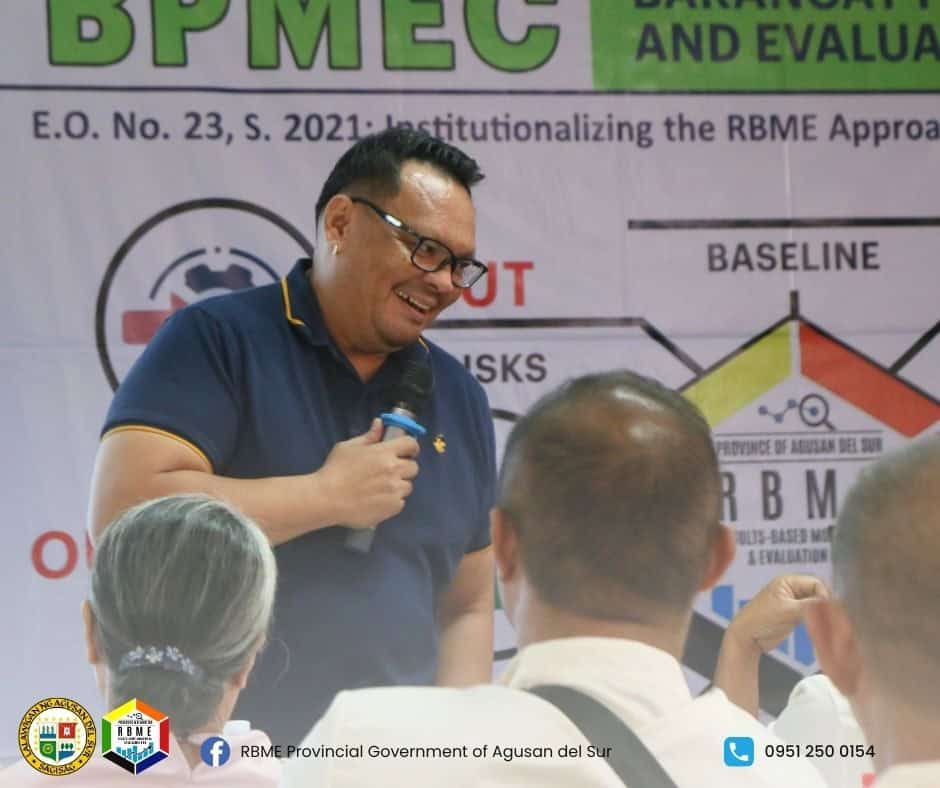
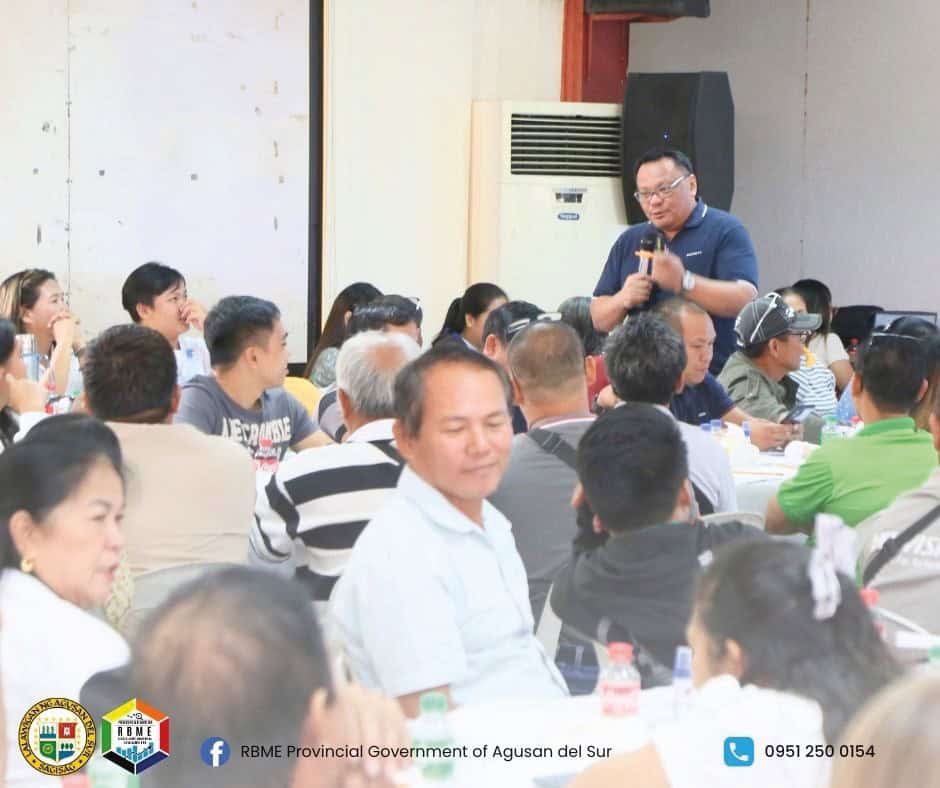
The two-day training workshop held last week focused on empowering local leaders and stakeholders, strengthening their capacity to oversee government projects from both local and national agencies.
This initiative, led by the provincial government’s Results-Based Monitoring and Evaluation (RBME) program, was designed to educate village officials, Sangguniang Kabataan, civil society organizations, and school principals on how to effectively monitor, assess, and evaluate the implementation of government and non-government projects in their communities.
In light of the recent national uproar over the flood control project anomalies revealed by the Senate Blue Ribbon Committee, Agusan del Sur’s village officials are ready to stand as watchdogs against any such corruption.
The controversy exposed how many multi-billion-peso flood control projects were deemed “ghost” projects—non-existent or incomplete, leaving the public in the dark.
President Marcos’ recent visit to Bulacan to inspect a flood control project further highlighted the urgency of accountability, as he discovered an abandoned construction site that had been falsely declared “completed.”
The President’s outrage over this oversight signals the government’s commitment to cracking down on such practices, holding officials and contractors accountable for economic sabotage.
Michael Leo Torralba, RBME Unit Head and resource speaker at the workshop, emphasized that local leaders are now more aware than ever of the need for transparency and oversight.
“Sometimes, the only ones aware of projects in their areas are the people’s organizations, not the barangays. This training empowers them to change that,” Torralba explained.
For the first time, village officials in Agusan del Sur are armed with the knowledge and skills to monitor government projects at every stage, from planning to completion.
This initiative is seen as a direct response to the flood control project scandals, with local leaders now fully prepared to stop such anomalies in their tracks.
Bayugan City officials, who attended the training, expressed deep appreciation for the new skills they’ve gained, which they believe will bolster accountability and transparency in their communities.
“This program has given us the tools to ensure that projects serve our needs and are not just paper promises,” said Gaudencio Celeste, Barangay Captain of Sagmone, Bayugan City.
Albert Jalapan, Barangay Councilor of Villa Undayon, Bayugan City, also emphasized the critical role of monitoring and evaluation in ensuring projects align with local needs, ensuring that Agusan del Sur’s barangays are no longer passive bystanders but active agents of change.
The BPMEC was also trained to utilize social media platforms like Facebook to maintain transparency, share updates, and track the progress of projects in their areas, further enhancing public trust.
Torralba concluded by stressing that national agencies, especially those implementing infrastructure projects in rural areas, are required by law to coordinate with barangay officials from start to finish.
He pointed to the Local Government Code (Republic Act 7160), which mandates such coordination to ensure local involvement in national projects. Agusan del Sur is now leading the way in holding government projects accountable—making it clear that “ghost” projects have no place in this province.
#