By: Ray G. Talimio Jr.
“When Reparation Becomes a Test of Mercy and Justice”
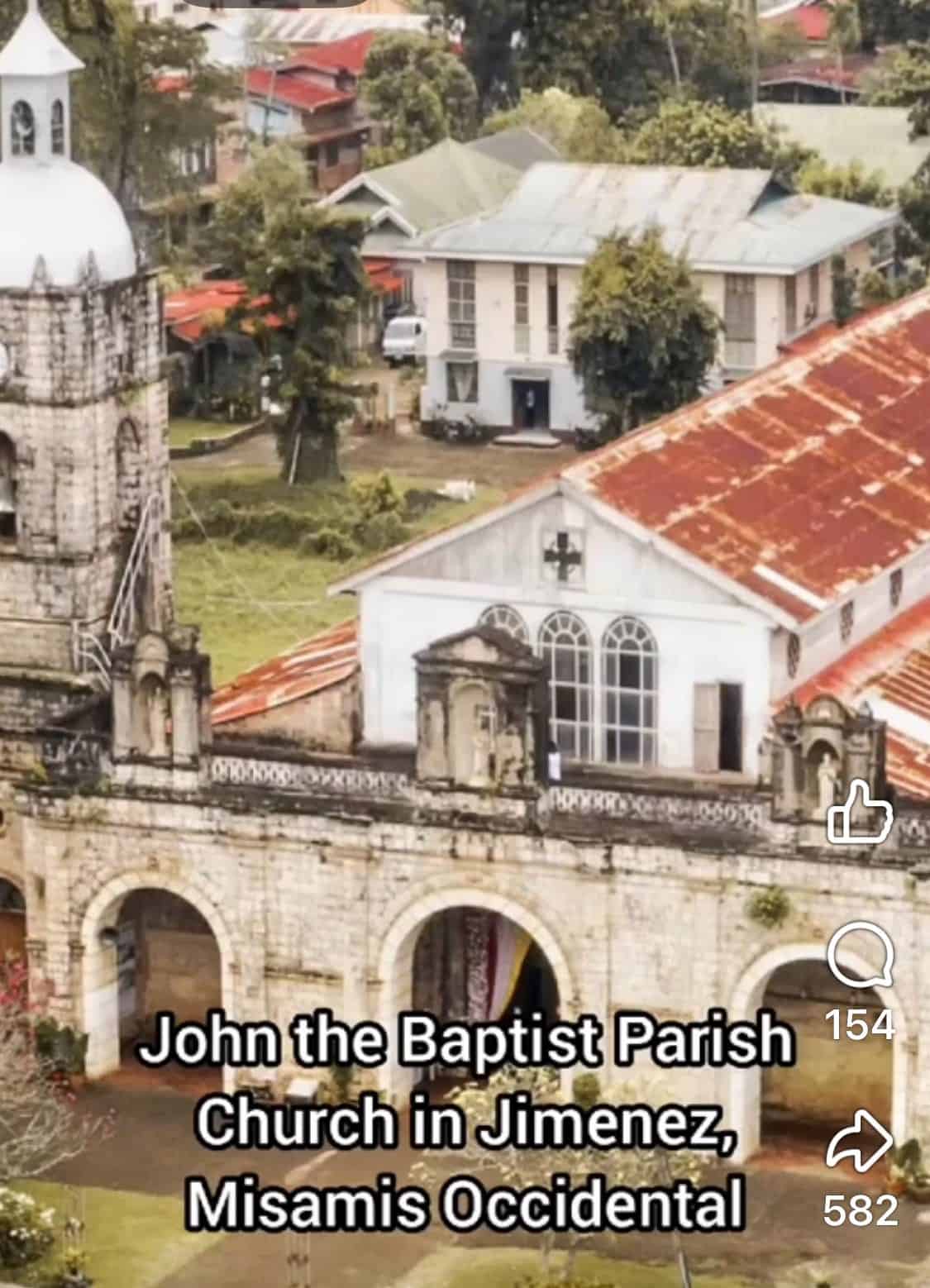
The recent closure of St. John the Baptist Parish Church in Jimenez, Misamis Occidental, following a reported act of sacrilege by a vlogger who allegedly spat into the holy water font, has stirred deep emotions among parishioners and sparked wider discussion on the meaning of “reparation” in the Catholic faith. According to reports, the Catholic Bishops’ Conference of the Philippines (CBCP) condemned the act, and the Archdiocese ordered the suspension of public Masses until further notice. While the decision was intended as a form of reparation for the desecration, it has inadvertently deprived the wider faith community of the sacraments, leaving many asking: Is this the only way to restore reverence and order?
In Catholic tradition, the holy water font is not merely a decorative feature near the entrance of the church. It holds blessed water used by the faithful to make the sign of the cross upon entering, a gesture that recalls baptism, cleanses venial sins, and prepares the soul to participate worthily in the liturgy. The font is a visible reminder of our baptismal promises and a sacramental that conveys grace through the Church’s blessing. Any act of desecration against it is taken seriously, as it insults both the sacred sign and the faith it represents.
In Catholic teaching, reparation refers to acts of atonement meant to repair the spiritual damage caused by sin, especially offenses against God and the sacred. The Code of Canon Law and Church tradition allow bishops to prescribe specific acts, such as prayers, penitential rites, or purification ceremonies, to restore the sanctity of a sacred space after a desecration. In cases involving the Eucharist or sacramentals, a church may be temporarily closed until the prescribed rite of reparation is completed by the bishop or his delegate. However, this norm usually focuses on spiritual restoration, not prolonged penal measures that impact the innocent faithful.
Critics of the parish closure question why an entire congregation must bear the consequence of one person’s offense. While the act was gravely disrespectful, many believe that the Church’s mission of mercy should prioritize immediate pastoral care and continued worship, especially for those not involved in the wrongdoing. Others argue that the closure serves as a strong symbolic statement, underscoring the gravity of the offense and prompting the community to unite in prayer, vigilance, and respect for sacred spaces. In this view, temporary inconvenience is outweighed by the long-term message of defending what is holy.
Alternative responses could include holding a special penitential Mass, organizing a public act of reparation led by the bishop, or conducting catechesis on the meaning of sacramentals and the sacredness of church property. These actions could address the desecration directly without disrupting the sacramental life of the faithful. The incident is a reminder of the tension between justice and mercy, discipline and pastoral care. It also highlights the need for ongoing catechesis in a digital age where attention-seeking acts can lead to disrespect for faith and culture.
Ultimately, the call for reparation is not just about punishing an offender or restoring a holy space. It is about rekindling the community’s reverence for the sacred, ensuring that the response reflects both the justice of God and the mercy of Christ. If Christ were here in the flesh, many would hope His response would blend righteous defense of the Father’s house with compassionate outreach to the wounded faithful.
Canon 1211 of the Code of Canon Law states that sacred places are violated when acts are committed in them that gravely injure their sanctity, such as desecration or sacrilege. Once this occurs, the church cannot be used for liturgical functions until the bishop determines that adequate reparation has been made. This reparation often takes the form of specific prayers, blessings, or rites to restore the space’s sacred character. In practice, this is why desecration of a holy water font, altar, or tabernacle can lead to temporary closure until the bishop’s prescribed rite is carried out.
Sources:
• Catholic Bishops’ Conference of the Philippines statements on sacred reparation
• Code of Canon Law, Canons 1211 and 1212
• DZMM TeleRadyo report, August 6, 2025
Photo Credits:
• Image of John the Baptist Parish Church in Jimenez, Misamis Occidental: Screenshot from Facebook video post, original source unknown
• Image of alleged desecration of the holy water font inside John the Baptist Parish Church: Screenshot from Facebook video post, original source unknown
Disclaimer:
This article is based on available reports and Church guidelines. The author does not claim to represent the official position of the Catholic Church or its authorities.
About the Author:
Ray G. Talimio Jr. is a Past President and Past Chairman of the Board of the Cagayan de Oro Chamber of Commerce and Industry Foundation Inc. (Oro Chamber). He also served as Co-Chairman of the Economic Development Committee of the Regional Development Council Region X, Chairman of the MSME Development Council of Misamis Oriental and Cagayan de Oro for the years 2022 to 2025. He currently serves as a National Officer of the Philippine Institute of Certified Public Accountants (PICPA) after having served as Past Senior Regional Director and Past Chapter President. He is a staunch advocate for MSME development, BIMP-EAGA cooperation, regional economic integration, good governance, and public private partnerships. He served as BIMP-EAGA Chairperson from 2023 to 2025.

###