
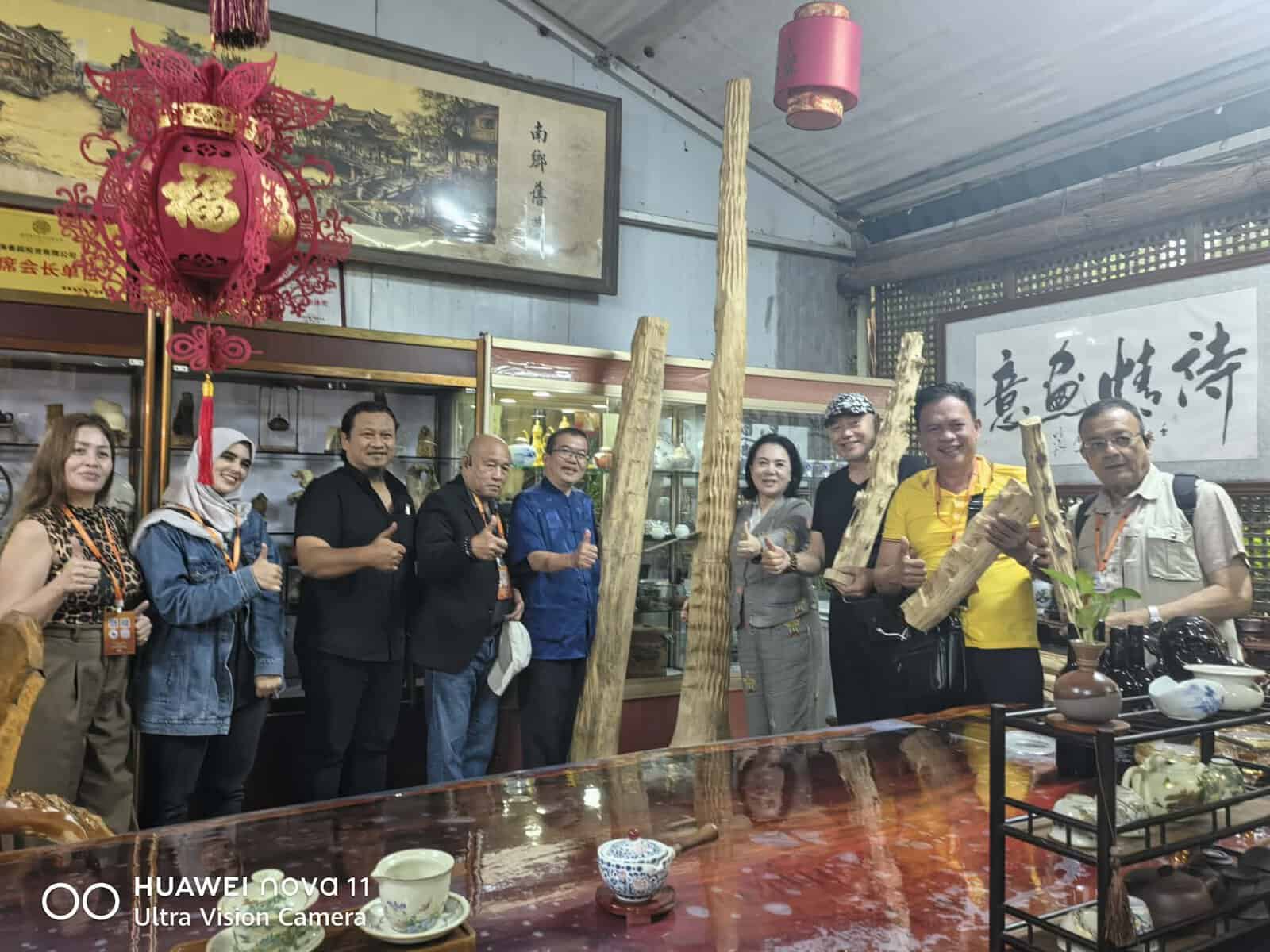
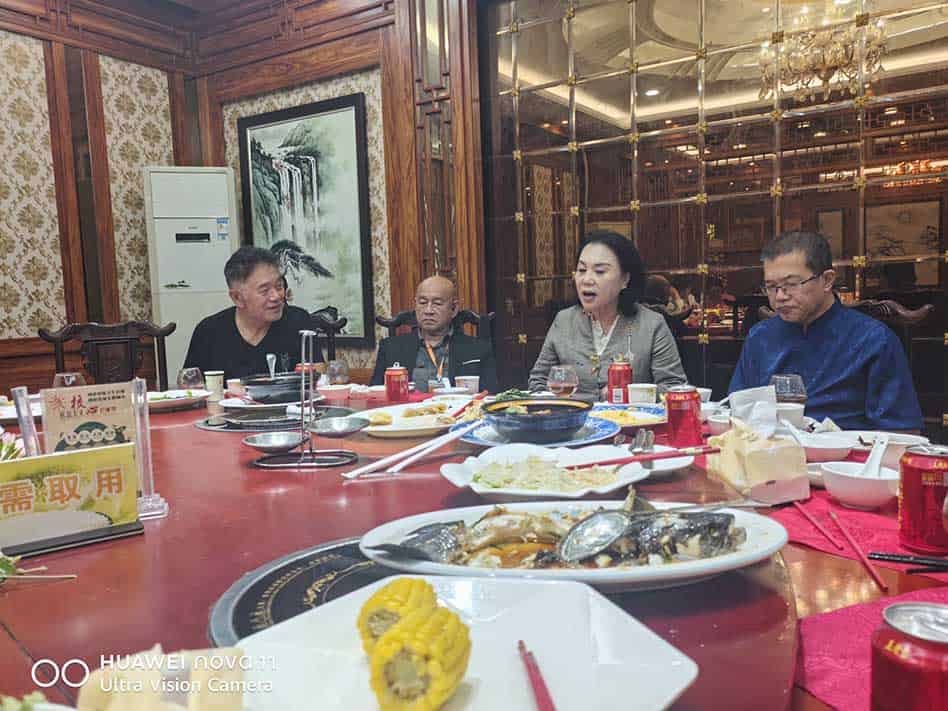
HAIKOU, CHINA — Regional trade standards and the scientific validation of medicinal agarwood took center stage during the 3rd Agarwood International Trade Fair in Hainan, held from November 21 to 25. Industry representatives from the Philippines, Malaysia, and Indonesia convened with Chinese counterparts to evaluate farming techniques, export readiness, and pricing models across Southeast Asia.
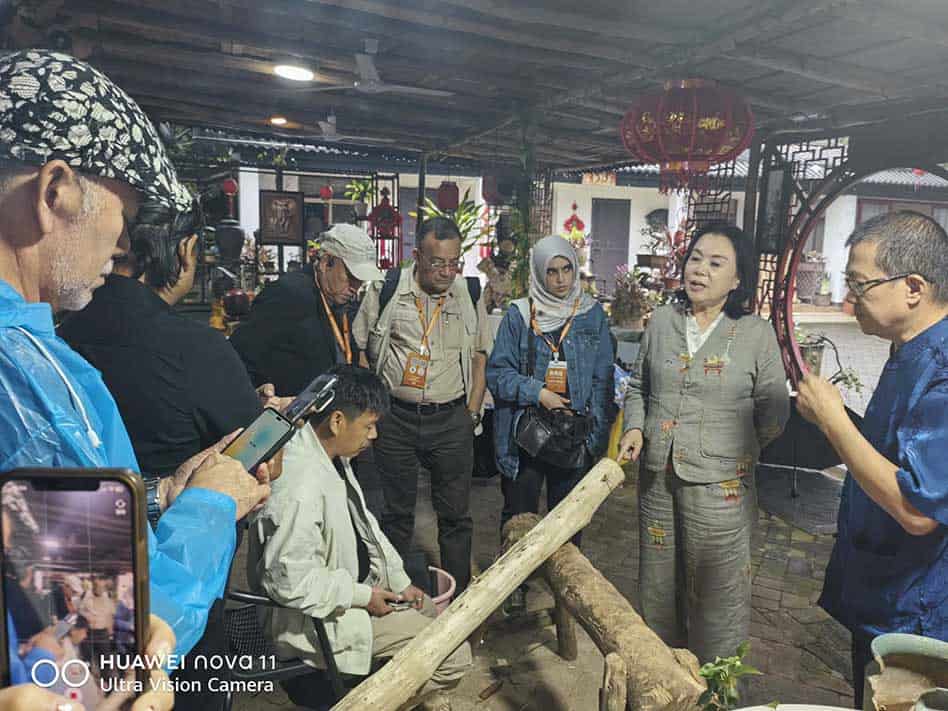
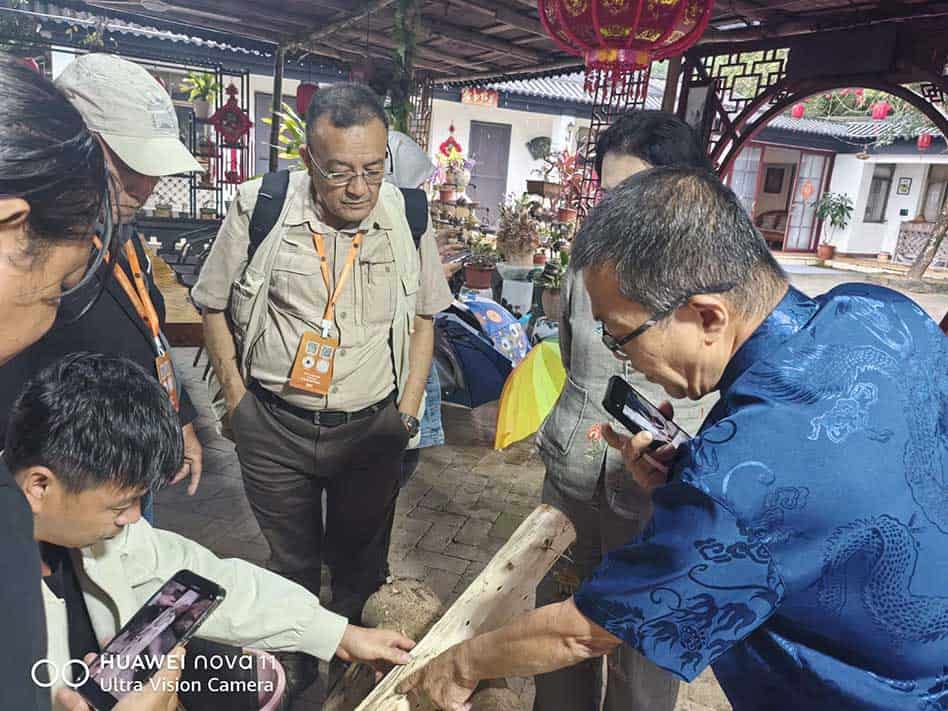
Leading the technical exchanges were veteran specialists Dr. Tan Kim Ting of Malaysia and Dr. Danilo Virtudazo of the Philippines, each bringing 20 years of sector expertise. According to official participant logs, the visiting delegation also featured Dante Sudaria and Rose Mary Sudaria from the Philippines; Yong Him Seng from Malaysia; and Indonesian representatives Siti Ruqayyah Taufani Suhaimi Abdur, Ramzi Salim, and Rahik Abdat.
Showroom Displays and Origin Branding
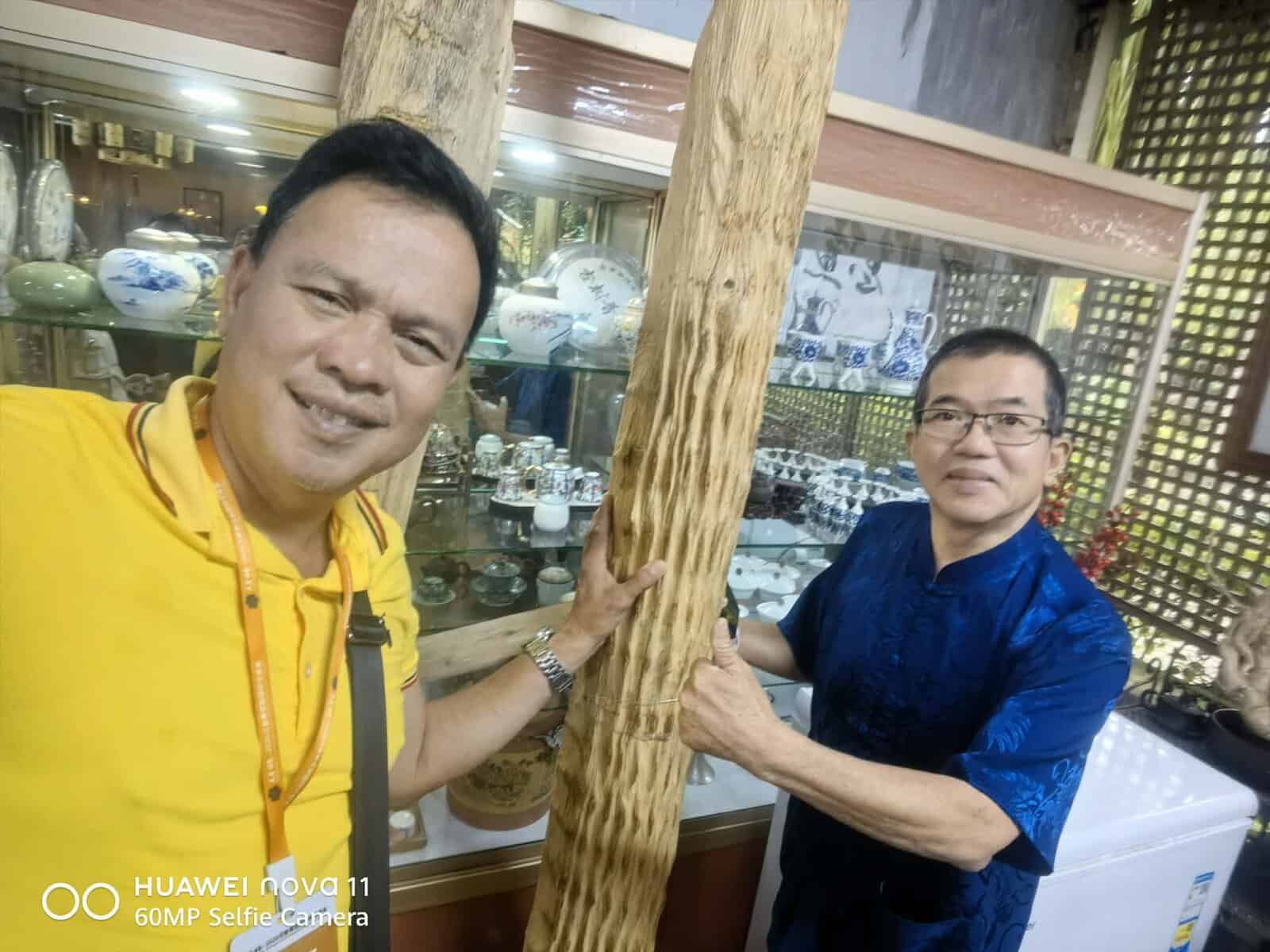
A key highlight of the itinerary was a guided tour of the Haixiangyuan plantation and showroom, hosted by Chairperson Wang Haixiang. Wang walked the visitors through the farm’s experimental cultivation methods and traditional cultural practices, which he credited for the therapeutic value of their harvest.
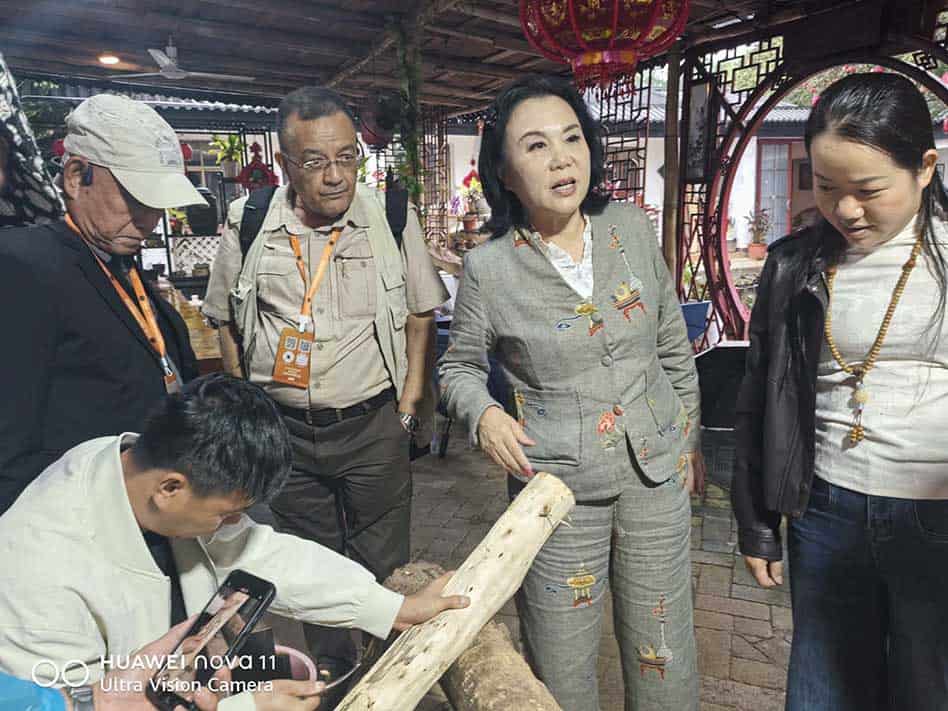
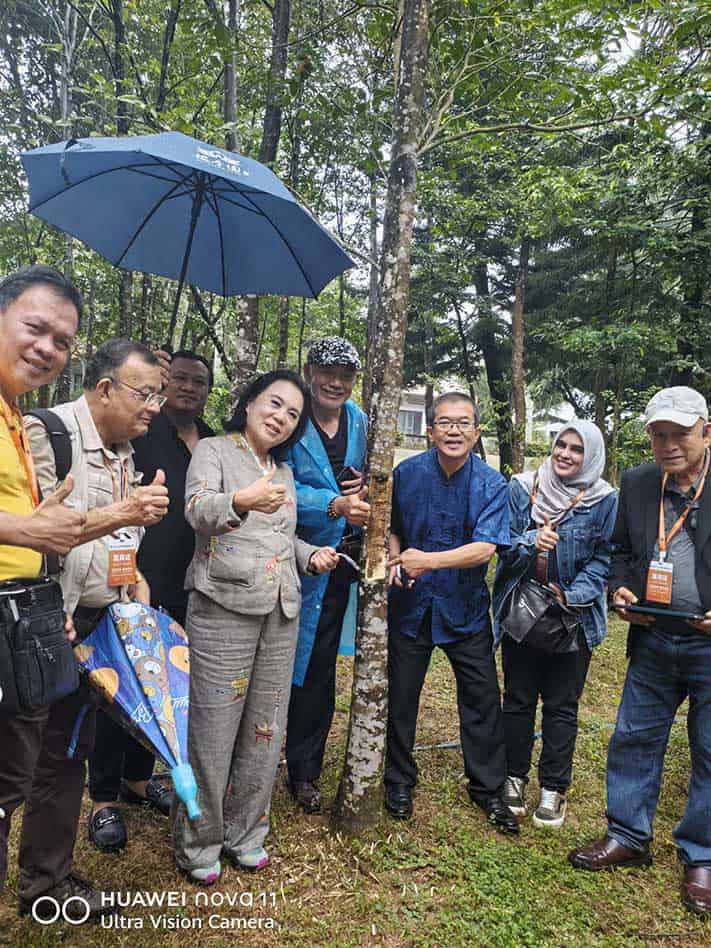
Inside the showroom, goods were packaged predominantly in white wooden boxes stamped with a geographical indication to authenticate their Hainan provenance. Among the showcased items were 50-gram packages and small, single-petal pieces retailing for roughly 3,000 yuan apiece. Single-jar products bearing the same origin seal were also on display, though hosts withheld details regarding their net weight, exact contents, and retail prices.
Disputed Claims Over “Tretol” and Proprietary Tech
Much of the forum revolved around Haixiangyuan’s purportedly exclusive processing technology and a high-tier product line that hosts insisted packs potent medicinal benefits beneath an unassuming exterior. However, presenters offered no third-party verification to substantiate claims that their technology is unavailable elsewhere.
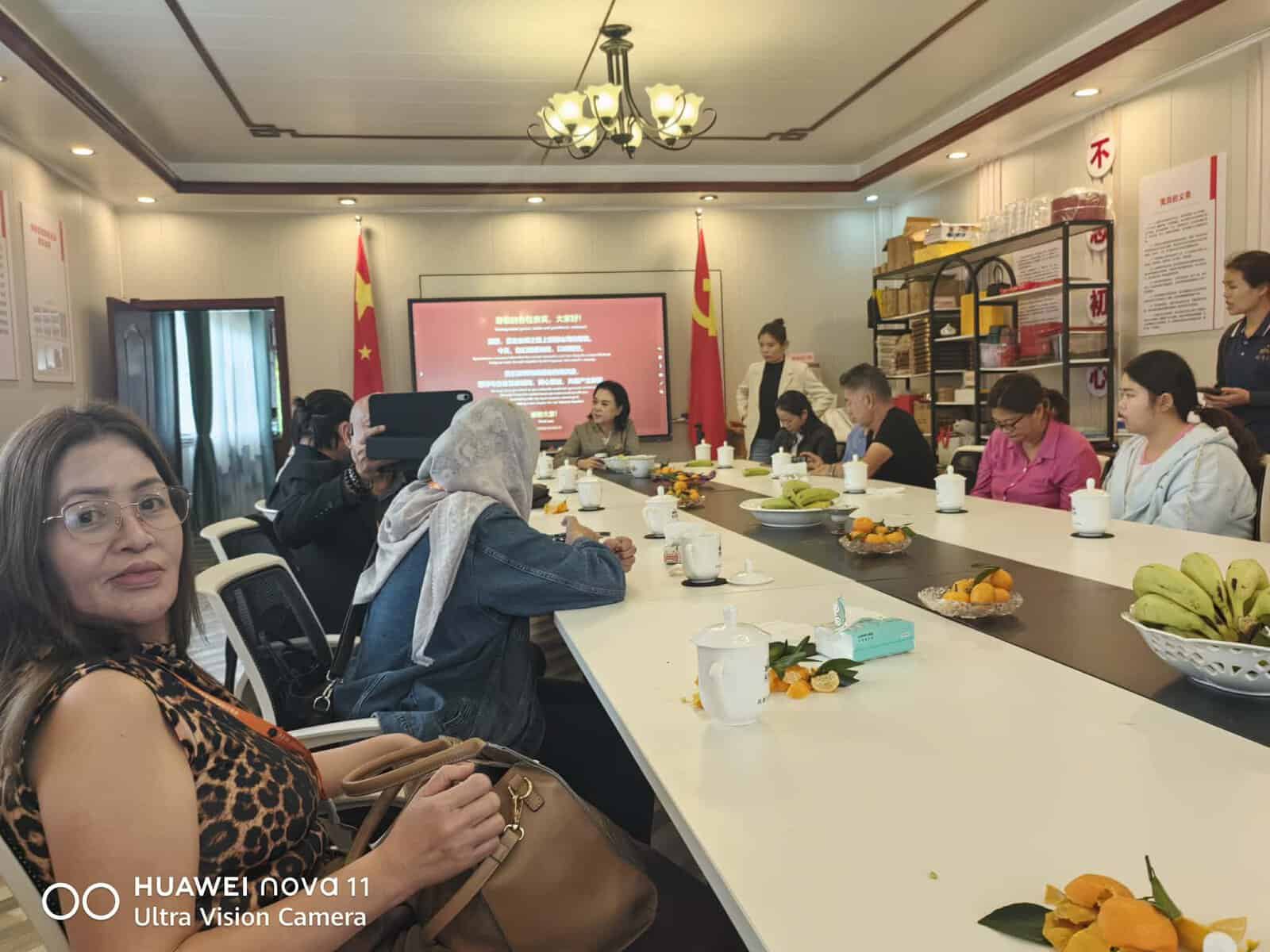
At the heart of the pricing debate was a compound identified by speakers as Agarwood Tretol. Hosts asserted that their premium grade contains 8.5 times the standard concentration of Tretol found in comparable stock—a metric they tied to medicinal eligibility under Chinese pharmacopoeia benchmarks to justify higher retail rates. Despite the emphasis placed on the compound, speakers did not scientifically define Tretol, detail the testing process, or provide independent proof backing the 8.5-times figure.
Another term introduced during the talks, Chen Xiang Shi Chun, was cited as a critical classification or technology for medical-grade agarwood, though its exact definition remained ambiguous. A participant noted that specific documentation would be retrieved later to clarify the terminology.
Farming Practices: Wild Seeds vs. Grafted Stock
Hosts distinguished their village from neighboring agricultural zones by highlighting its certified organic status and strict rejection of chemical fertilizers. During technical briefings, speakers noted that plant genetics heavily dictate harvest quality even when identical farming protocols are applied. Presenters pointed out variations in leaf morphology, referencing numbered classifications from 1 to 11 alongside a separate grouping of seven varieties (specifically types 1, 2, 4, 5, 7, and 8), as well as an unexplained mention of a 14-year cycle.
Cultivation methods sparked considerable debate among the attendees. Participants argued that “green seedlings” propagated naturally from fallen seeds yield purer trees with stronger taproots and superior growth compared to grafted alternatives. Speakers acknowledged that successful propagation in Hainan’s tropical climate remains heavily reliant on water access, seasonal shifts, and annual seed yields. Queries from the floor regarding whether grafted trees are included in commercial batches or utilized in pharmaceuticals went largely unanswered.
The Push for Laboratory Validation and Export Growth
To back their therapeutic claims, organizers pointed to institutional ties with China’s Lin Ke Yuan, visual materials linked to the Hainan Science and Technology Hall, a Chen Xiang analysis credited to China’s Linhe Hospital, and a separate government laboratory evaluation. While cited as evidence that the raw material meets medical qualifications, the presentations omitted specific lab metrics, testing methodologies, dosage guidelines, and clarity on the exact specimens analyzed.
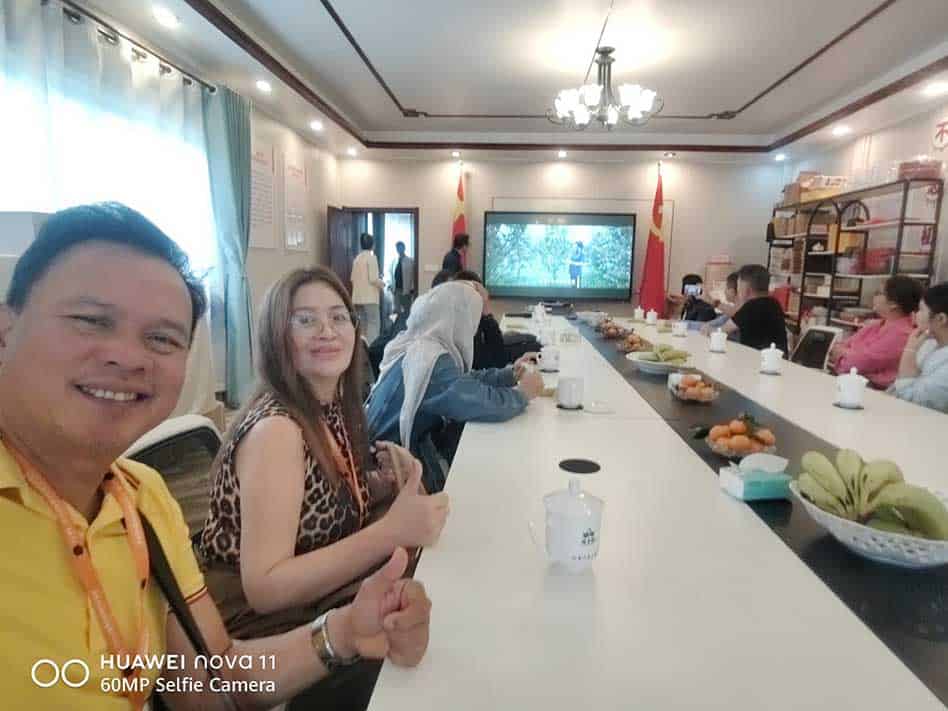
Attendees emphasized during the forum that verbal assurances cannot substitute for empirical data, noting that strict adherence to national standards and verifiable science is mandatory for legitimate commercial operations.
As Hainan looks to transition from domestic retail toward industrial-scale seedling exports and global distribution, the fair offered Southeast Asian delegates a vital opportunity to benchmark regional standards. Nevertheless, several critical issues remain unresolved—including the specific ailments the agarwood treats, the precise meaning of Chen Xiang Shi Chun, independent verification of Tretol levels and proprietary methods, national standard compliance, and the use of grafted stock in medical-grade products. Industry observers warn that as Hainan expands its international footprint, standardized lab testing, clear scientific proof, and transparent pricing will be crucial to safeguarding both international buyers and local growers.