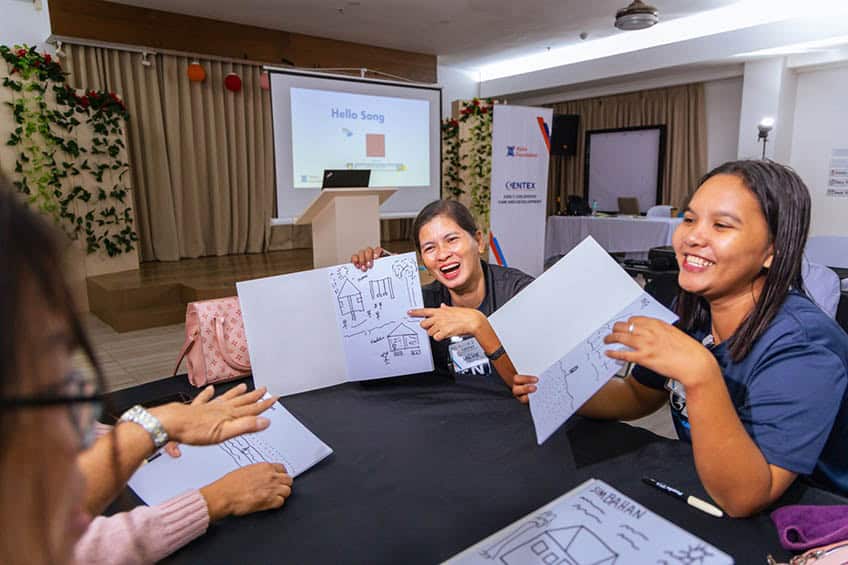
In public elementary schools in San Marcelino, Zambales, teachers are gaining a clearer view of how their students are learning: where they are progressing, where gaps remain, and where more support is needed. Through Ayala Foundation’s CENTEX Digital Educ ation program, digital tools and learning data help teachers tailor lessons and respond to different learning needs. That partnership with teachers is central to the program’s approach.
The Programme for International Student Assessment (PISA) 2025 results, released in 2026, show that the Philippines achieved its strongest performance since joining the assessment. Average scores improved by 20 points in Reading, 17 points in Science, and 16 points in Mathematics, while the share of learners achieving baseline proficiency increased across all three subjects. These gains reflect the combined efforts of educators, government agencies, communities, and education partners to strengthen learning outcomes.
Sustaining this momentum will require continued investment in foundational learning, teacher development, and approaches that help more students succeed. Better learning outcomes improve employment prospects, productivity, and competitiveness while expanding opportunities and pathways out of poverty. For businesses, they help build the skilled, adaptable workforce needed for long -term growth and innovation.
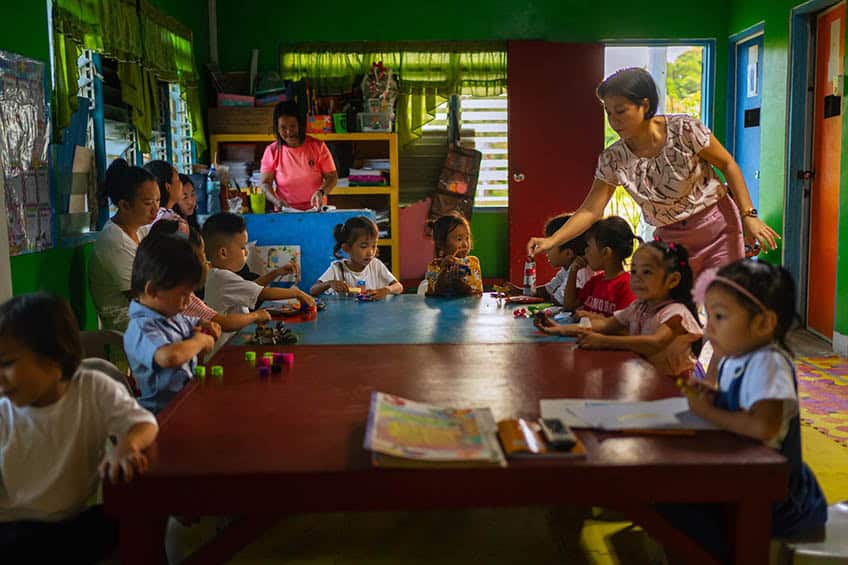
Education is a key pillar of Alagang Ayala because it strengthens the human capital that drives inclusive growth and national competitiveness. Just as physical infrastructure enables people and goods to move, education equips people to make the most of the opportunities it creates. By bringi ng together Ayala Foundation’s work in foundational learning and iPeople’s network of schools, the Group supports learners from their earliest years through higher education and career preparation.
“Education is one of the most powerful ways we can expand opportunity and change lives. When Filipinos have access to quality education, they are better equipped to build meaningful careers, support their families, and contribute to the country. Through Ala gang Ayala, we are bringing together the strengths of the Ayala Group to help more Filipinos turn potential into opportunity —and opportunity into a better future ,” said Ayala Corporation Chief Social Infrastructure Officer Paolo Borromeo.
Ayala Foundation works with public schools and partners to strengthen foundational skills and improve learning outcomes. Its CENTEX Digital Education pilot in San Marcelino reached 1,558 Grades 4 to 6 learners and 27 teachers across nine schools. Its High Touch, High Tech Media queries: [email protected] approach, combining teacher training and coaching with adaptive learning tools, helped raise average mathematics scores from 27% to 56% after 12 weeks, equivalent to seven months of learning, according to a third -party evaluation. This led DepEd Zambales to expand the approach, training at least one teacher in each of the province’s 315 public elementary schools, with 79 schools now implementing the program.
CENTEX Early Grades extends this work to learners ages three to five, focusing on literacy, numeracy, and socio -emotional development. In El Nido, Palawan, and Lamitan City, Basilan, the program supports young learners through teacher training, improved learning resources, and stronger parent engagement.
“Teachers and child development workers are at the heart of the learning journey. They are the ones who see how learners are progressing, where they need support, and how to best help them move forward,” said Ayala Foundation President Tony Lambino. “Our role is to strengthen that work by giving our educators the training and tools they need to respond to help each learner build the foundations for lifelong learning.”
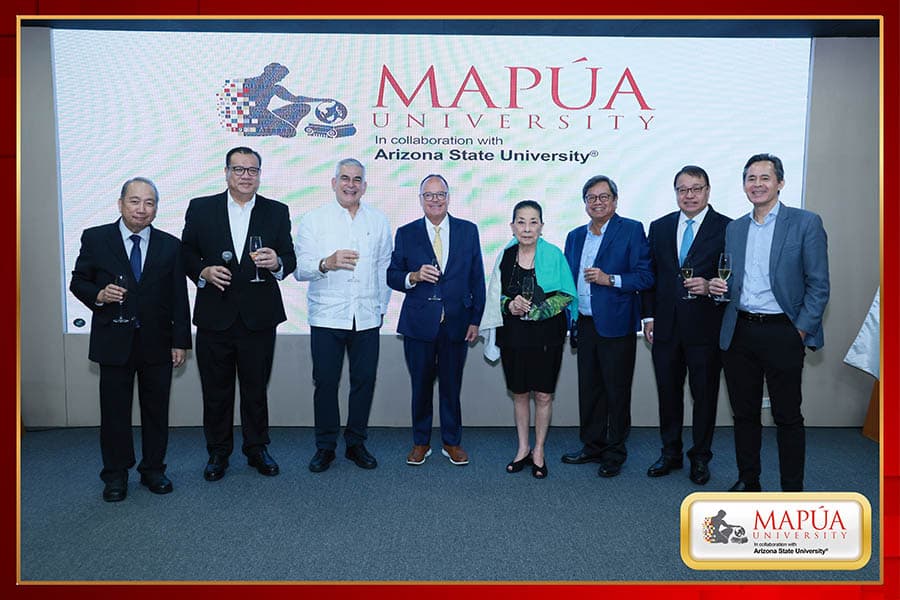
iPeople carries this work forward into higher education and employment. Formed through the 2019 combination of the Yuchengco and Ayala education groups, it now serves more than 80,000 students from kindergarten through doctoral programs. Its network includes Mapú a University, Mapúa Malayan Colleges Laguna, Mapúa Malayan Colleges Mindanao, Mapúa Malayan Digital College, National Teachers College, APEC Schools, and the Naga -based University of Nueva Caceres.
The network combines established institutions with new approaches to learning. National Teachers College continues its tradition of developing educators, while Mapúa gives students access to globally benchmarked content, international learning opportunitie s, and AI – enabled education through its expanded partnership with Arizona State University, the #1 university in the US for innovation, sustainability, and impact according to the 2026 U.S. News & World Report Best Colleges rankings. Mapúa has also introduced the country’s first undergraduate degree in AI engineering.
As industries evolve through digitalization and emerging technologies, preparing Filipinos for future -ready careers has become increasingly important. Through industry partnerships, global collaborations, and innovations in teaching and learning, iPeople h elps equip students with the technical, analytical, and leadership skills needed in a rapidly changing economy.
“Quality education must prepare learners not only to graduate, but to succeed in a rapidly changing world. We are combining strong local institutions, global partnerships and industry -relevant learning to help Filipino students become AI -fluent and globally competitive,” said iPeople President Fred Ayala.
Together, these efforts show how Alagang Ayala supports learners at every stage, helping build stronger foundations for individuals, communities, and the country’s future.
###