By Chris V. Panganiban
Inquirer Mindanao Bureau
SAN FRANCISCO, Agusan del Sur — The provincial government of Dinagat Islands has intensified its response to the continuing water shortage by expanding emergency water rationing, validating possible groundwater sources, and inspecting existing water facilities in affected communities.
According to the Dinagat Islands Public Information Office (PIO), the Provincial Incident Management Team (IMT) carried out emergency interventions on Sept. 9 as authorities worked to address water supply concerns linked to prolonged dry conditions and the effects of the El Niño phenomenon.
The IMT delivered 26,000 liters of water to affected households and residents in Barangays San Juan, Luna, Mahayahay, Poblacion, and Don Ruben in San Jose. Water assistance was also provided to critical offices, including the Department of Science and Technology (DOST) and the Philippine Statistics Authority (PSA), as well as accommodation establishments in the municipality.
Beyond emergency distribution, the provincial government has started assessing additional water sources to improve supply sustainability in affected communities.
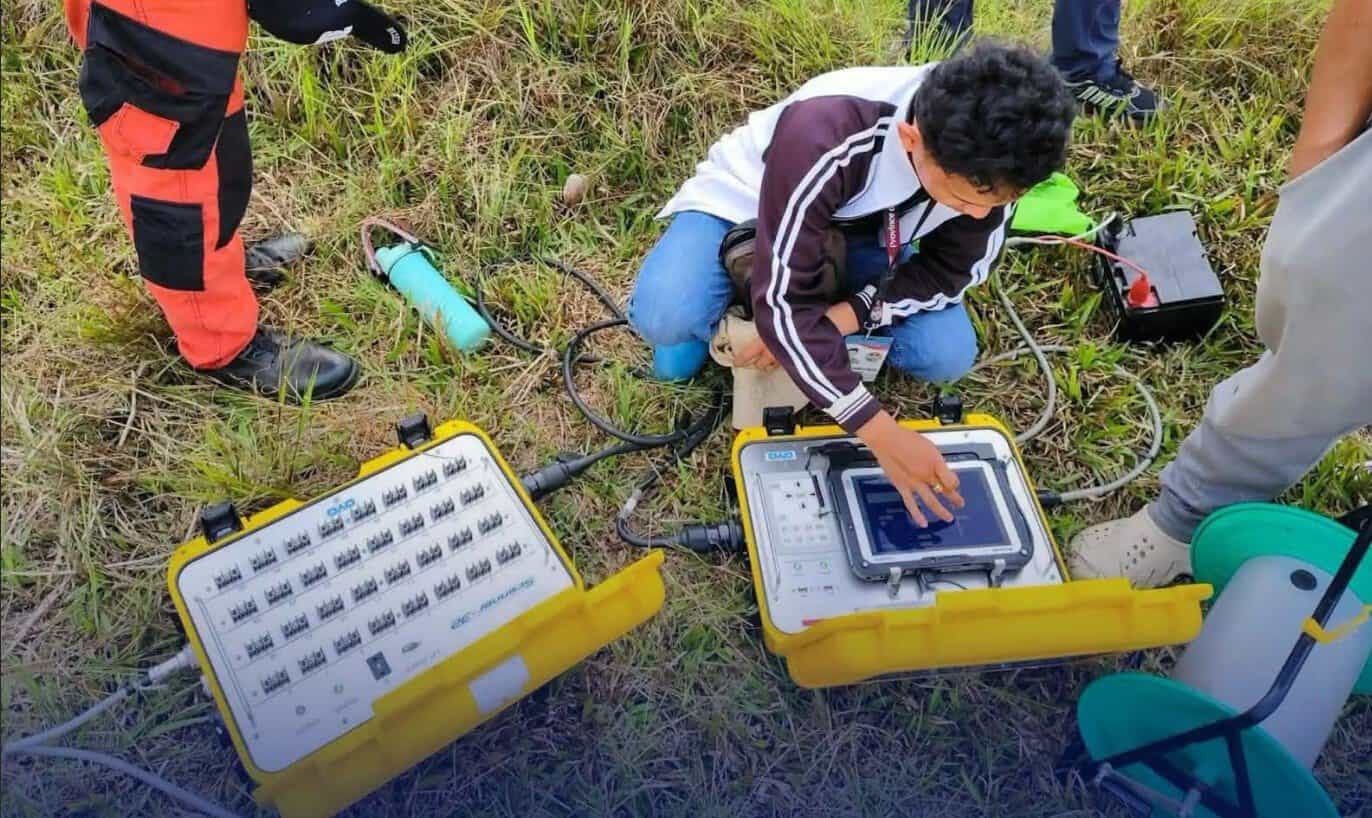
The IMT conducted water-source validation and georesistivity activities in identified areas in Libjo and San Jose to determine possible groundwater sources.
The assessment covered Barangays General Aguinaldo and Garcia in Libjo, and Don Ruben in San Jose, where teams evaluated potential areas for groundwater development.
Field validation teams also inspected proposed water-source locations in Rosita-Llamera, the Provincial Sports Complex, Wilson Elementary School, Albor District Hospital, Poblacion in Cagdianao, and Barangay Cuarinta to determine their suitability.
The Department of Agriculture also provided initial information from a georesistivity survey conducted in Loreto, with preliminary datasets indicating possible underground water sources pending the release of the agency’s official report.
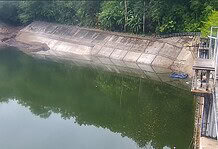
In Basilisa town, IMT safety officers conducted an inspection of the existing water source at Sitio Glen, Barangay Doña Helen to assess the condition of the intake facility and identify possible causes of water-quality concerns.
The inspection found that an existing dug well was being used as a temporary intake and storage source, with cloudy or turbid water observed during the assessment.
The findings prompted the engineering team to consider constructing an additional well at a higher elevation or upstream location, subject to further assessment and water-quality testing.
The IMT also recommended protective measures, including regulating access to the dug well, establishing a designated water-collection point, maintaining intake facilities, removing waste along waterways, and protecting proposed wells from possible contamination.
The provincial government said water-quality testing covering physical, chemical, and microbiological parameters will be conducted before any new source is used for potable purposes.
The continuing water shortage has also raised concerns over the needs of health facilities in the province.
According to the Dinagat Islands PIO, the Provincial Health Board discussed measures to ensure adequate water supply for critical medical facilities, with representatives from Dinagat District Hospital and Albor District Hospital requesting possible water rationing of at least 10,000 liters per day, if feasible, to support hospital operations, sanitation, and other essential activities.
The provincial government said it continues to work toward a more equitable water distribution system, particularly for communities experiencing limited or no supply, while prioritizing areas with urgent needs and essential services.
As dry conditions continue to affect parts of Dinagat Islands, authorities said emergency interventions will continue alongside efforts to identify reliable and sustainable water sources for communities.
###