

By Chris V. Panganiban
Inquirer Mindanao Bureau
SAN FRANCISCO, Agusan del Sur — Butuan City has been placed under a state of calamity as a prolonged dry spell continues to disrupt water services across its 58 barangays, the Butuan City Public Information Office (Butuan City PIO) reported.
The city council approved Resolution No. 17-444-2026 on Sept. 5 following persistent water supply interruptions that have affected tens of thousands of residents.
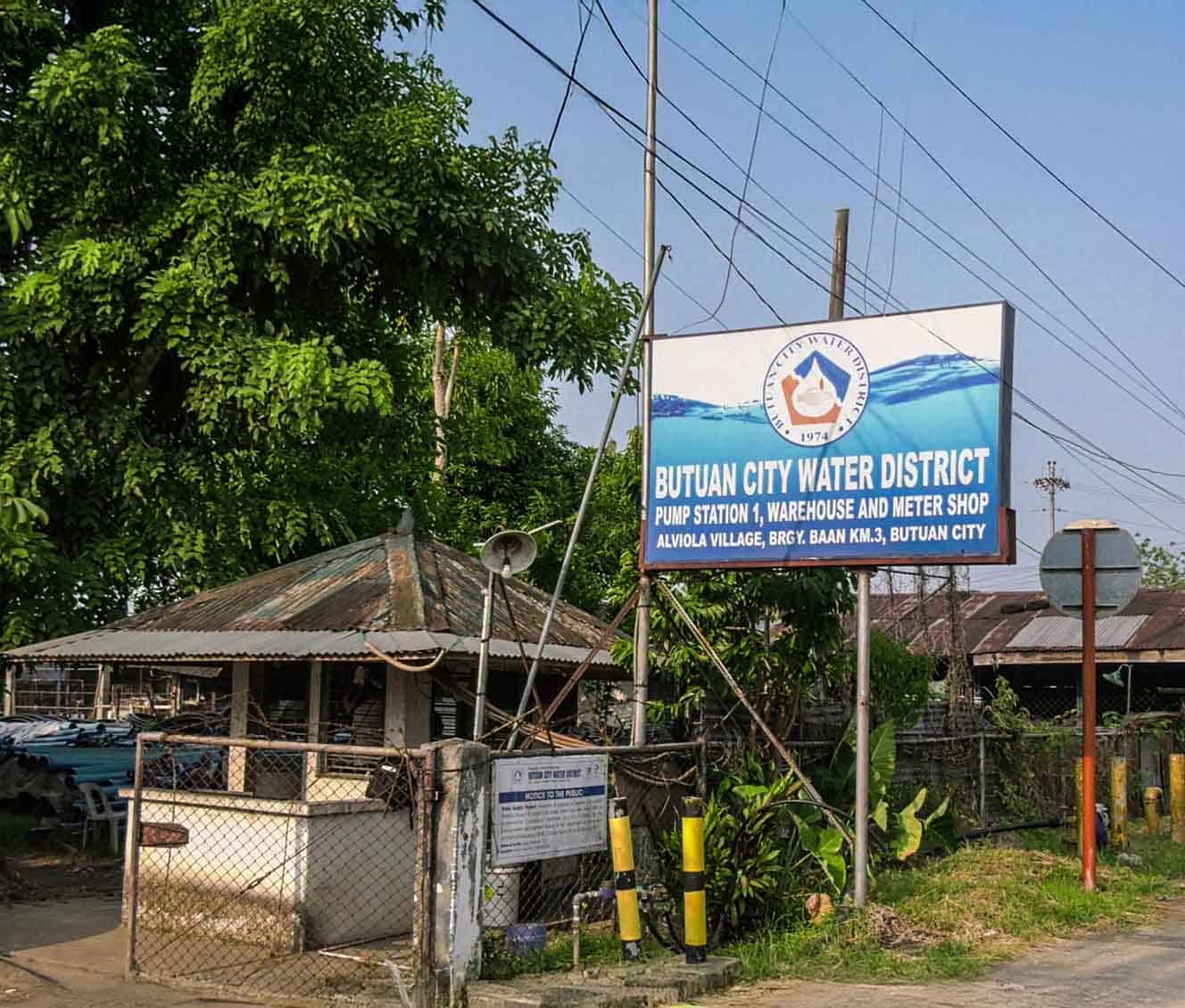
Citing data from the Butuan City Water District (BCWD), the city PIO said some communities receive water only during limited hours, while others experience low pressure or no service at all.
More than 91,000 of the city’s over 269,000 residents have been affected by low water pressure or a complete loss of supply, it added.
The shortage has been attributed to below-normal rainfall and a continuing dry spell in Agusan del Norte, including Butuan City.
The Philippine Atmospheric, Geophysical and Astronomical Services Administration said the province had been under dry-spell conditions since Aug. 23.
According to the city PIO, the calamity declaration will enable the local government to immediately access funds and implement emergency measures for affected communities.
The city government, BCWD and partner agencies have been rationing water and deploying tankers to areas experiencing severe shortages.
The declaration also allows the city government to tap its Quick Response Fund for water tanks, pumps, filtration equipment and other measures needed to address the crisis.
In response to comments on its Facebook page, the city PIO said the local government was doing everything possible to assist affected residents.
Officials, however, acknowledged that existing interventions had not been sufficient to meet the needs of affected communities.
Authorities are assessing several pumping stations for possible rehabilitation. Based on BCWD recommendations, Pumping Stations 16, 2 and 3 have been identified as potential sources of additional water.
The city government and BCWD are also considering conducting geo-resistivity surveys to locate groundwater sources, assess aquifer levels and determine whether the water found is fresh or saline. Several areas are also being evaluated for possible re-drilling.
The city PIO said any source considered for rehabilitation or development would undergo testing to determine its water quality, yield and long-term reliability before being used for public distribution.
Meanwhile, an open letter from concerned residents questioned the reliability of the BCWD’s water sources, its contingency measures and the billing of customers who receive little or no water.
The letter asked whether the district’s “Oplan Sag-ob” relies on the Cabadbaran City operation plan, or Oplan CBR, and what backup measures would be implemented should that source become unavailable.
It also raised concerns about water bills in areas such as Ambago, where residents have experienced prolonged interruptions. The letter cited claims that air entering water lines when faucets are opened could cause meters to register consumption.
These claims have not been independently verified. The BCWD has yet to publicly address the specific questions concerning Oplan CBR, Oplan Sag-ob and billing practices during service interruptions.
Residents have sought clearer explanations of how consumption is measured during periods of low pressure or no water supply, as well as the remedies available to customers who believe their bills do not accurately reflect the service they received.
Former city councilor and engineer Sergio Pascual blamed the crisis on what he described as a failure of leadership among city officials.
Pascual said water shortages had been a recurring problem for about a decade, yet the city government had failed to establish a long-term solution.
The crisis has renewed concerns about Butuan’s long-term water security, including the city’s capacity to develop alternative sources, tap groundwater and improve its distribution network.
Similar shortages during previous dry periods have prompted calls for the city to reduce its dependence on vulnerable sources, including the Taguibo River.
Residents are seeking detailed information on which interventions have been completed, which projects remain underway and how the BCWD intends to prepare for future dry spells.
Clear timelines for water projects, projected additional capacity, contingency measures and billing policies during service interruptions could help address public concerns and restore confidence in the city’s water system.
###