
From the Sidelines
By: Ray G. Talimio Jr.
“Why the Sudden Attention on Lumbia Air Base in Cagayan de Oro City”
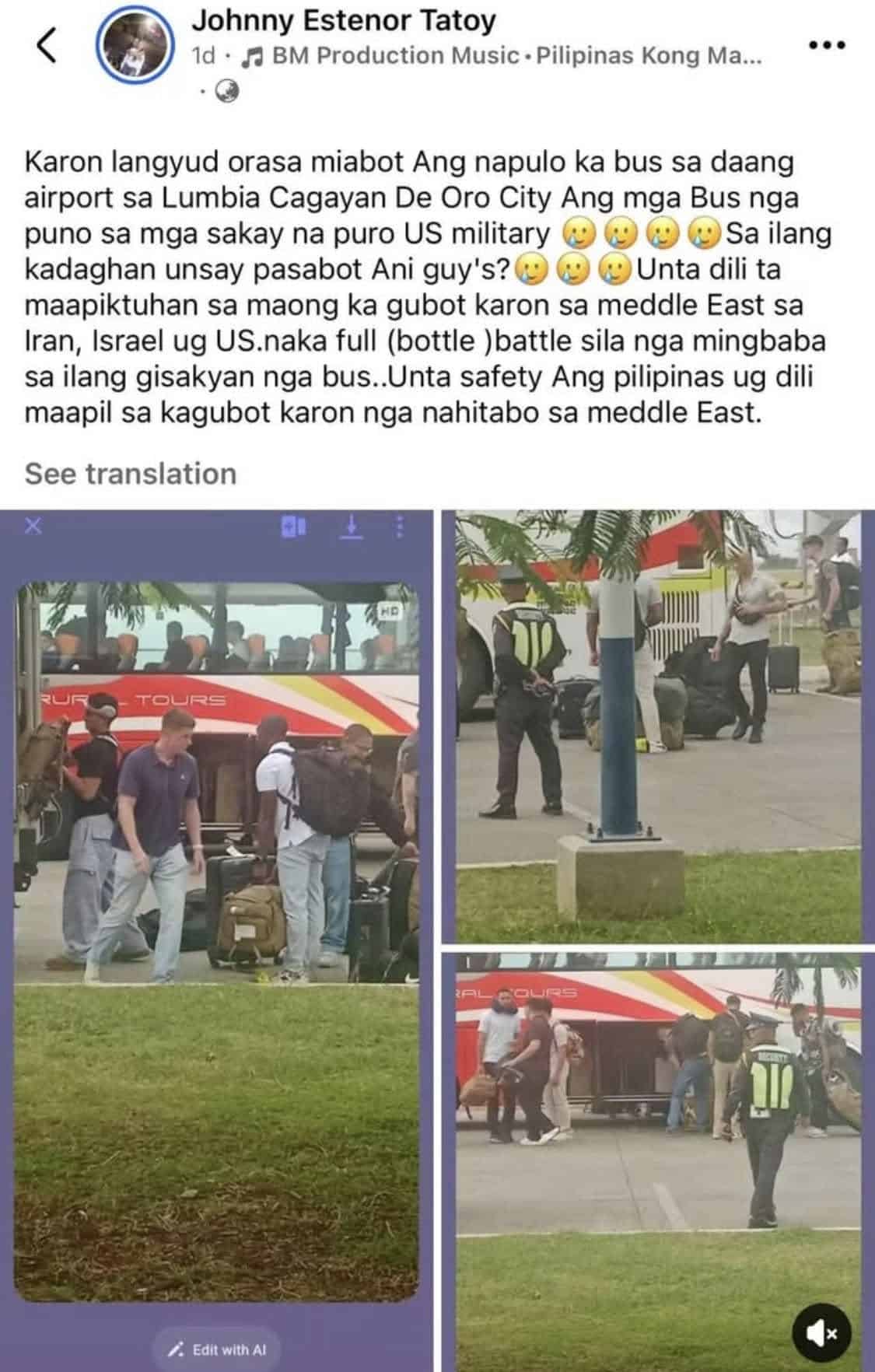
Images circulating online showing the arrival of United States personnel at Lumbia Air Base in Cagayan de Oro City have drawn public attention to the Enhanced Defense Cooperation Agreement (EDCA) between the Philippines and the United States. While officials usually describe these movements as routine joint training rotations, the visibility of foreign troops inevitably invites questions and speculation about the broader strategic context.
The Enhanced Defense Cooperation Agreement (EDCA), signed in 2014, allows rotational access by United States forces to selected Philippine military facilities. The agreement permits the construction of support infrastructure, the pre positioning of equipment, and the conduct of joint training between the Armed Forces of the Philippines (AFP) and United States forces. Importantly, EDCA does not establish permanent foreign bases. The facilities remain Philippine military camps under AFP control.


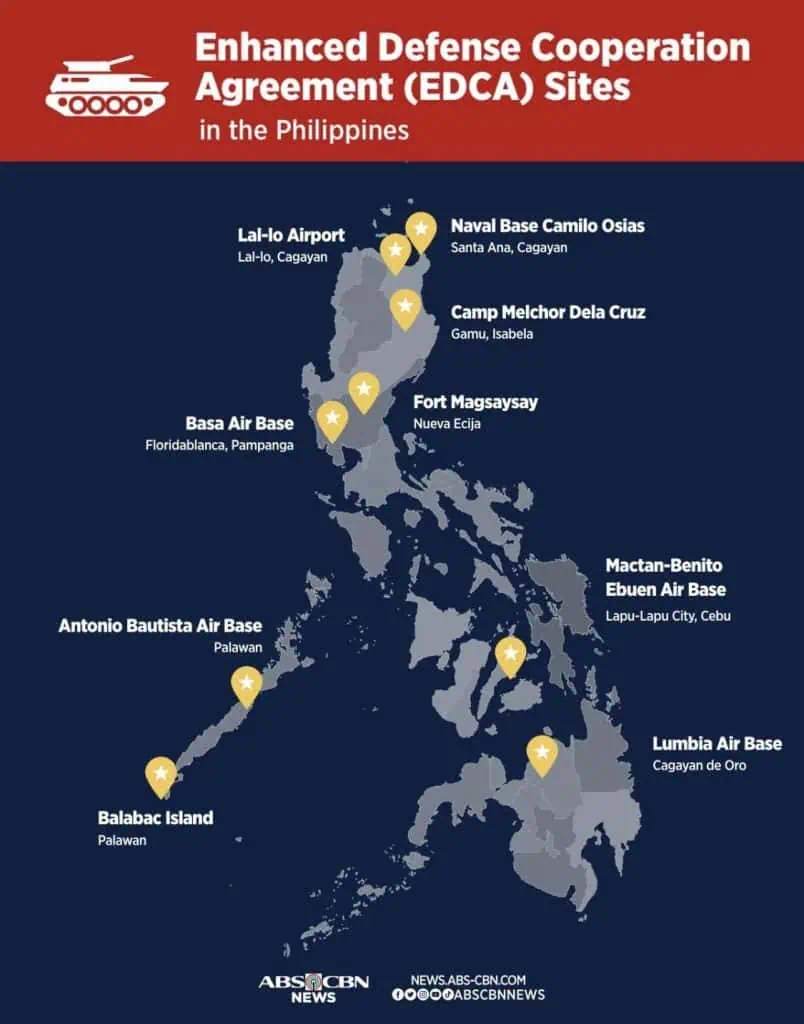
Today there are nine (9) declared EDCA locations across the country.
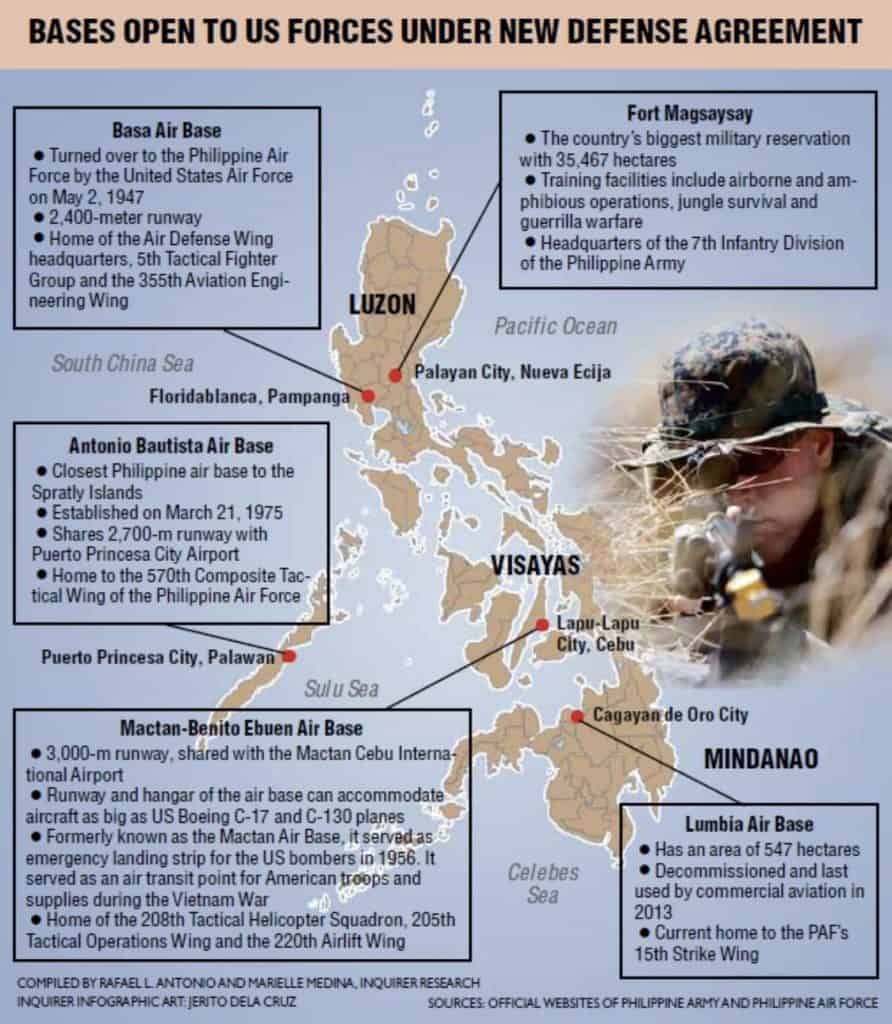
The original five identified in 2016 are Antonio Bautista Air Base in Puerto Princesa, Palawan; Basa Air Base in Floridablanca, Pampanga; Benito Ebuen Air Base in Mactan, Cebu; Fort Magsaysay Military Reservation in Nueva Ecija; and Lumbia Air Base in Cagayan de Oro City.
In 2023, four additional locations were added: Naval Base Camilo Osias in Santa Ana, Cagayan; Lal lo Airport in Lal lo, Cagayan; Camp Melchor F. Dela Cruz in Gamu, Isabela; and Balabac Island in Palawan.
Viewed geographically, this network reflects the broader security architecture of the Indo-Pacific region. Several of the newer sites are positioned in Northern Luzon facing the Luzon Strait and Taiwan corridor, areas that have gained strategic attention as tensions between major powers continue to rise.
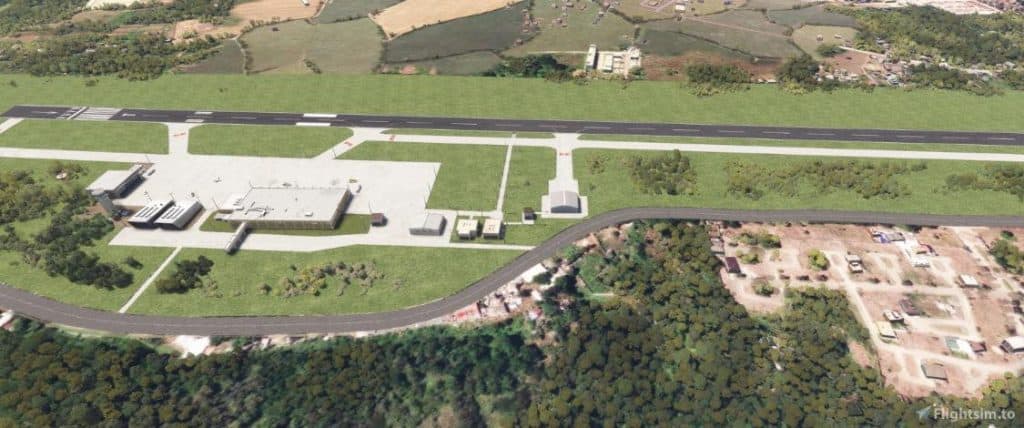
Lumbia Air Base occupies a different role in this network.
Located in Northern Mindanao, the base functions primarily as a southern logistics and training hub. Its position allows access to the central and southern Philippines, the Celebes Sea, and the wider Brunei Darussalam Indonesia Malaysia Philippines East ASEAN Growth Area (BIMP-EAGA). From a logistical standpoint, it provides operational flexibility for humanitarian assistance and disaster response missions as well as joint exercises involving Philippine and United States forces.
As often happens when military activity becomes visible, several theories have begun circulating online regarding the presence of American personnel at Lumbia.
One theory suggests that the activity could be part of precautionary preparations to expand the operational use of EDCA facilities while the Middle East conflict involving the United States, Israel, and Iran continues to unfold. Under this view, distributed bases across the Indo-Pacific may serve as logistical buffers should global military deployments stretch American resources.
Another speculation is that preparations across EDCA locations may be intensified as a hedge against a separate crisis in East Asia. Analysts have long noted that any escalation in the Taiwan Strait could draw major powers into confrontation. In such a scenario, the United States would need functioning logistical networks across allied territories even while engaged in other theaters.
A third theory circulating in online discussions suggests that some units normally stationed in Middle Eastern locations might be temporarily rotating through Indo-Pacific facilities while deployments are being reorganized during the current conflict environment.
At present, these narratives remain theories rather than confirmed operational explanations. Official statements continue to describe EDCA activities as routine training, interoperability programs, and humanitarian assistance and disaster response exercises.
Still, the episode highlights an important reality of modern geopolitics. In a world where conflicts in different regions increasingly interact, facilities that once seemed peripheral can suddenly acquire strategic importance.
For communities near these locations, including Cagayan de Oro City, transparency and clear communication remain essential. Understanding the scope and purpose of activities at EDCA sites helps ensure that defense cooperation strengthens national security while maintaining public trust.
Sources:
Enhanced Defense Cooperation Agreement (EDCA); Department of National Defense (DND); Armed Forces of the Philippines (AFP); publicly available information on EDCA locations.
Photo Credits:
Johnny Estenor Tatoy Facebook photos showing buses and arriving United States personnel near Lumbia Air Base, Cagayan de Oro City; Dadat Balaba Facebook post images referencing the EDCA site at Lumbia; ABS-CBN News infographic showing EDCA locations in the Philippines; publicly available photos of AFP United States joint exercises.
Disclaimer:
The views expressed in this column are those of the author and are intended for public policy discussion and analysis.
About the Author:
Ray G. Talimio Jr. is a Certified Public Accountant and veteran columnist on governance, economic policy, and public accountability. He is a Past President and Past Chairman of the Board of the Cagayan de Oro Chamber of Commerce and Industry Foundation Inc., a former Co-Chairman of the Regional Development Council Region X Economic Development Committee, and a National Officer of the Philippine Institute of Certified Public Accountants. He also served as BIMP-EAGA Chairperson from 2023 to 2025.
#EDCA#MiddleEastWar#EDCASitesInThePhilippines