

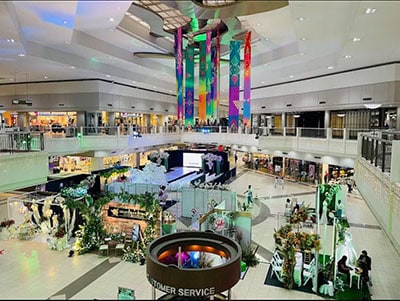
Commerce and Legacy: From Pioneering Enterprises to Modern Markets
From the Sidelines
By: Ray G. Talimio Jr.
“Exploring the dynamic evolution of Cagayan de Oro’s commercial landscape from early entrepreneurial pioneers to the entry of national players and the city’s growing role as Northern Mindanao’s trade and business hub”
Long before the arrival of national chains and real estate giants, Cagayan de Oro’s economy was already rooted in the strength and vision of local families who dared to dream big. These pioneering entrepreneurs built businesses from the ground up, serving as catalysts for trade, commerce, and urban development across the region. The economic center of Cagayan when it became a city in 1950 was primarily in Divisoria, then extending toward the areas near Gaston Park, Plaza Divisoria, and Capistrano Street. These zones were home to the earliest banks, retail stores, and offices, forming the original downtown core.
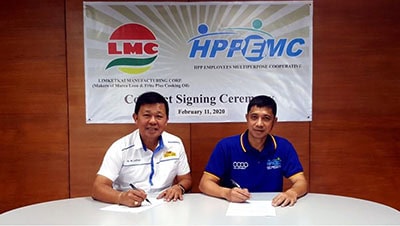
Among the early commercial anchors were the Limketkai, Gaisano, See, Goking and Go, Sia, Rolida, Limbonhai, Canoy, Gabor, Dharamdas, Gotil, Uy, and Chiu families, among others. Their enterprises, ranging from oil milling, retail, electronics, hospitality, media, and education, helped transform Cagayan de Oro from a modest provincial capital into Northern Mindanao’s trade and service hub. These families not only built enduring business institutions but also contributed to the city’s cultural and economic identity through hotels, schools, broadcast stations, and community-oriented commercial centers.
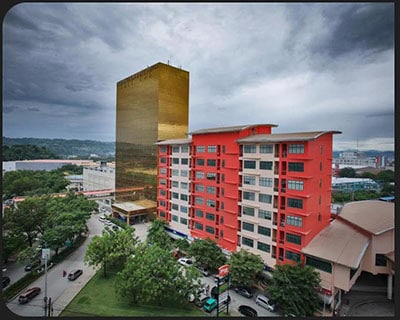
The Limketkai family, led by the brothers Lorenzo, Alfonso, and Albino, and Frances, spouse of Albino, was at the forefront of agribusiness through oil milling and the well-known Marca Leon brand. Their ventures expanded into warehousing, manufacturing, and eventually real estate. The Limketkai Center became the city’s first mixed-use complex, featuring the region’s earliest mall format and eventually hosting national tenants. Their hospitality venture, Luxe Hotel, has also risen to prominence under the stewardship of General Manager Jerome dela Fuente.
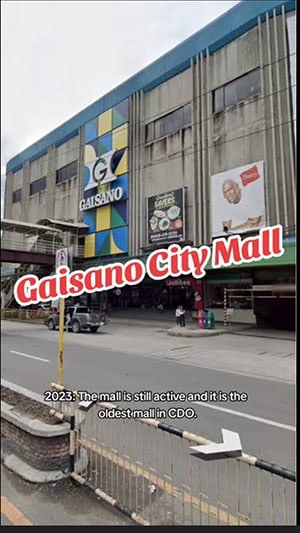
The Gaisano family, through Steve and Mary Gaisano, began with their early presence in Cogon before establishing Gaisano City on Corrales Avenue. Their children Steven, Sydney, and Sandy have since continued the family’s expansion and operations. Gaisano City introduced escalator-fitted department store retail to the city and became a landmark of urban shopping in the 1990s. Over the years, they expanded across Region 10, including the latest branch in Gran Europa, Lumbia.
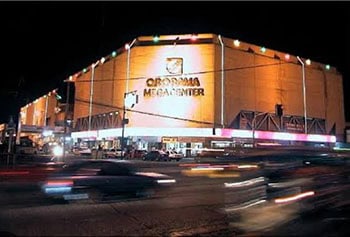
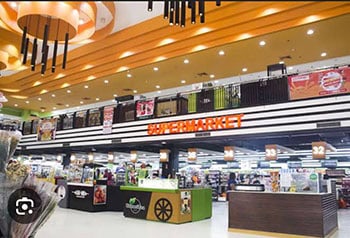
The See family, through Hong See and his wife Gloria See, founded Ororama in Cogon. Their flagship branch evolved into the Ororama Megacenter, which notably housed an upstairs bowling alley that became the site of inter-club tournaments for over a decade. Their children Erwin, Genevieve, and Michelle now carry the business forward, keeping Ororama a strong local competitor in value shopping. Erwin also leads their Mega Farms, which provides livestock, poultry, and crops to supply the needs of Cagayan de Oro and surrounding provinces. The family also manages Agora Market City under a public-private partnership scheme.
The Go and Goking families, composed of siblings Mike Goking (father of Councilor George Goking), Gonzalo Go (father of Boboy Go and Gigi Go), and Alfonso Goking of Ace de Oro Commercial, were among the first movers in wholesale. Their establishments helped shape the Cogon business landscape and brought in commercial goods at competitive prices. Their operations helped standardize wholesale logistics for local sari-sari stores across the region.
Juan Sia Enterprises, founded by the late Juan Sia, a respected ABC President and former City Councilor, played a vital role in distribution of general merchandise and liquefied petroleum gas. The Sia family also preserved the Casa del Chino Ygua, now a historic site that honors the city’s early Chinese Filipino community.
The Rolida family, through Frank and Anita Rolida, established Mindanao Solidmark, one of the city’s pioneering electronics and appliance stores. Now under Jeff Rolida, their son, the store remains a go-to retailer for affordable appliances, mobile phones, and consumer electronics.
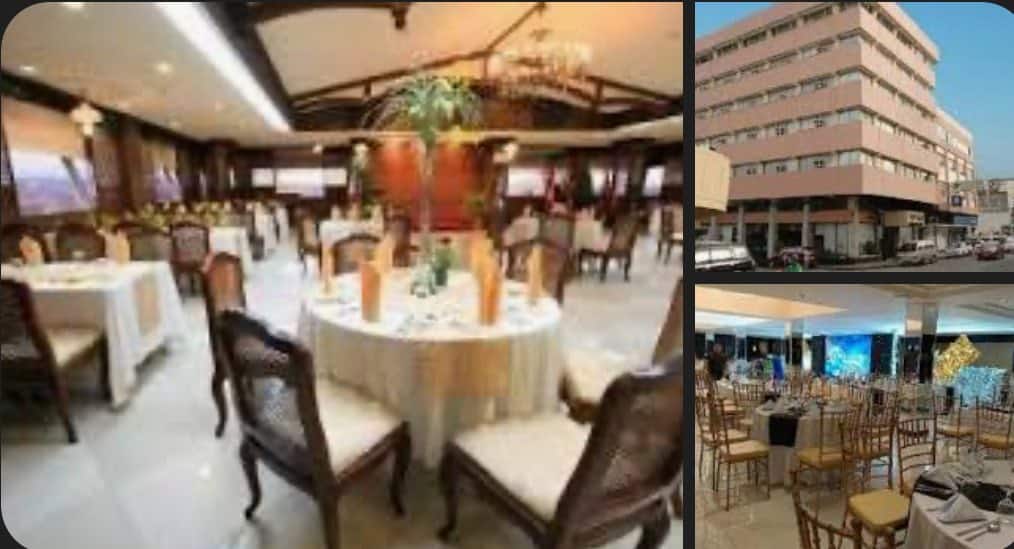
The Limbonhai family built a presence in wholesale and hospitality through De Luxe Hotel in Cogon, a long-trusted name for travelers and visiting professionals. Their consistent service helped sustain business tourism during the city’s economic expansion in the 1980s and 1990s.
Another key player is the Gotil family, owners of De Oro Bayanihan and Pearlmont Inn along Limketkai Drive. Pearlmont became a preferred convention hotel with proximity to malls and business centers. They also own a motel in Villarin Street, contributing to the city’s accommodation offerings.
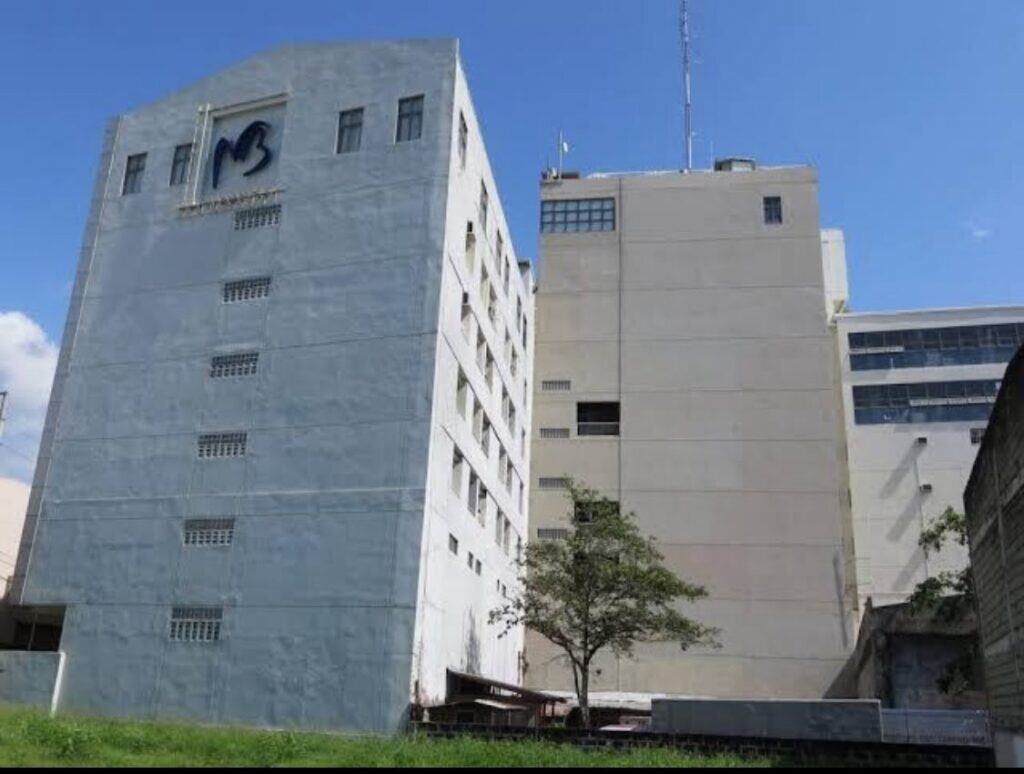
The Uy and Chiu families have also made their mark. Graphic Gadget Store, a well-known tech retail destination, was established and managed from the start by Roger Chiu, who expanded the family’s presence in modern tech and digital retail. He is the son-in-law of Dodong and Lydia Uy of UKC Builders and Mallberry Suites Business Hotel.
Local culinary icons also emerged through small enterprises like Ahfat Bakery, owned by the Feliciano family. Known for its affordable and filling breads, the bakery became a staple for students and workers, especially those from nearby schools and government offices. Along Velez Street, the nostalgic Pots ‘n Pan café, popular among students and professionals alike, further enriched the downtown food scene.
Equally notable are older establishments like Yellow Gold and De Oro Foodmart, which served as the city’s convenience store chains before such a concept became mainstream.
The Canoy family also contributed across sectors. Henry Canoy founded RMN DXCC, one of the country’s pioneer AM radio stations. The family also established the International School-Mindanao through Reuben and Solona Canoy, and the VIP Hotel, which remains a landmark in civic and hospitality circles.
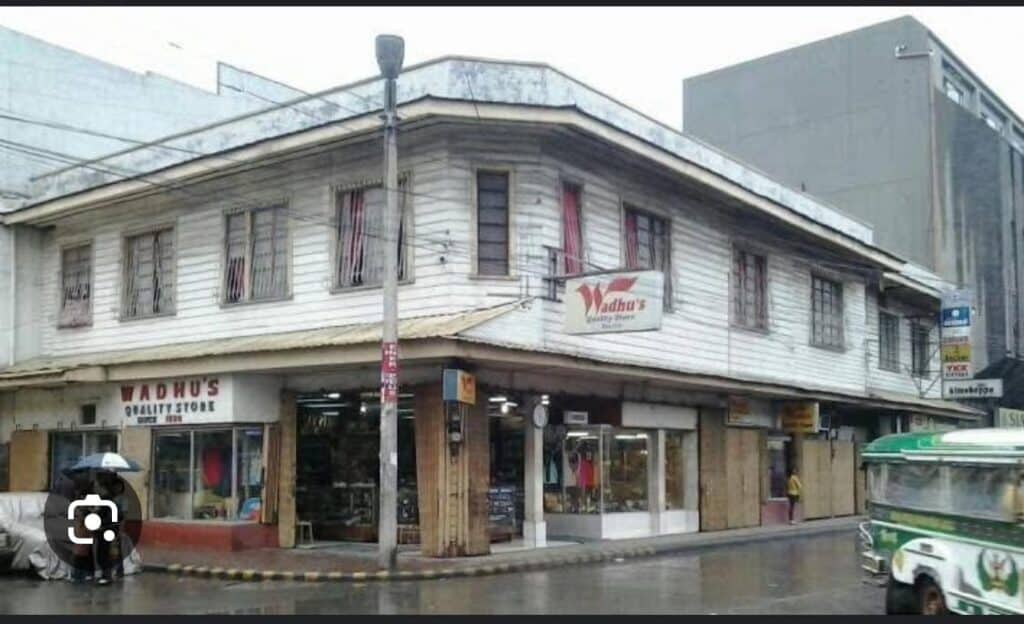
Wadhu’s Quality Store, established in 1936 by Wadhu Dharamdas Uttamchandani, stands as one of Cagayan de Oro’s most enduring retail institutions. Located at the corner of J.R. Borja and Pabayo Streets, this family-run establishment has been a go-to destination for generations seeking quality watches, sports equipment, garments, and household goods. Known for its personalized customer service and commitment to quality, Wadhu’s has maintained its reputation even amidst the rise of modern malls and big-box retailers. The store’s longevity and continued operation reflect its significant role in the city’s commercial history and its dedication to serving the community. 
The Gabor family holds a distinguished place in Cagayan de Oro’s commercial history. Notably, Anastacio Gabor established two of the city’s earliest enterprises: The Casino and Gabor Drug Store. These establishments were among the foundational businesses that contributed to the city’s economic development during the early to mid-20th century. The Gabor family’s entrepreneurial endeavors exemplify the spirit of innovation and resilience that has characterized Cagayan de Oro’s growth over the decades.
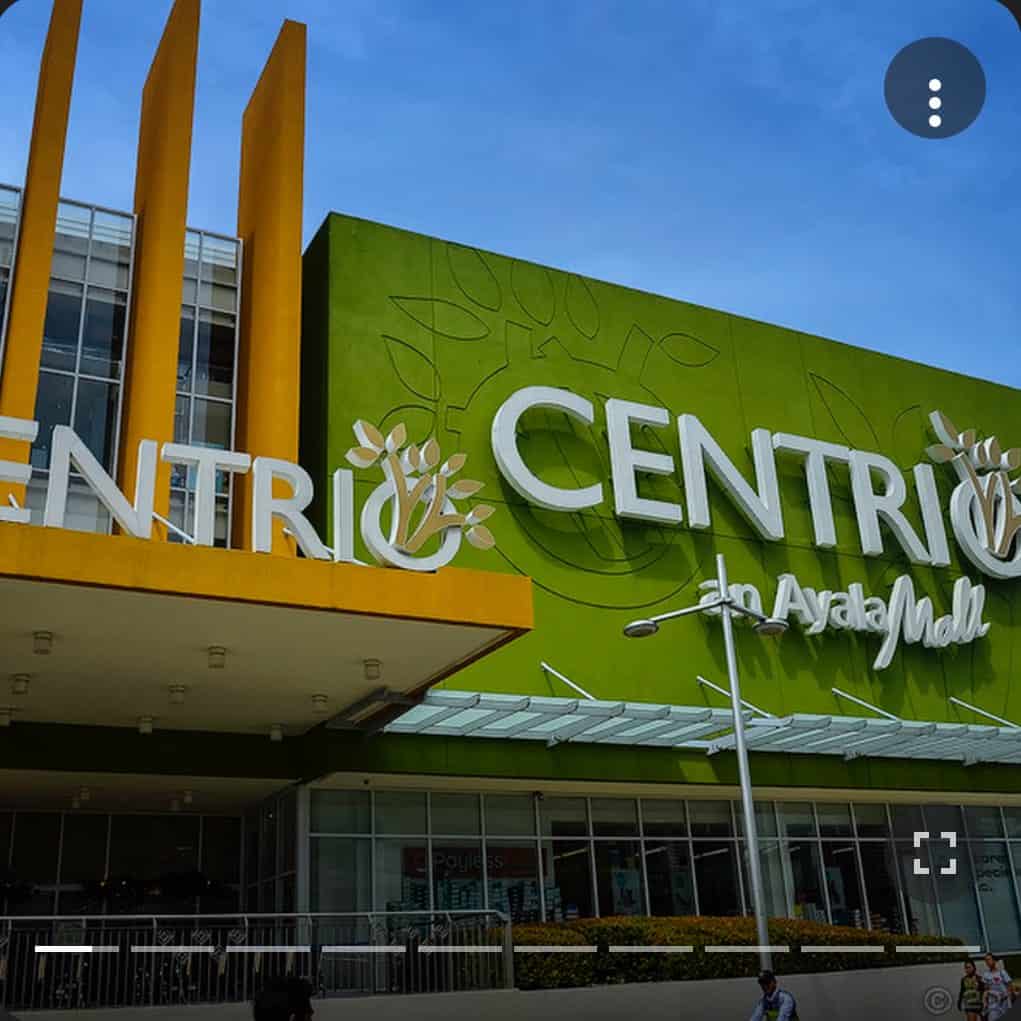
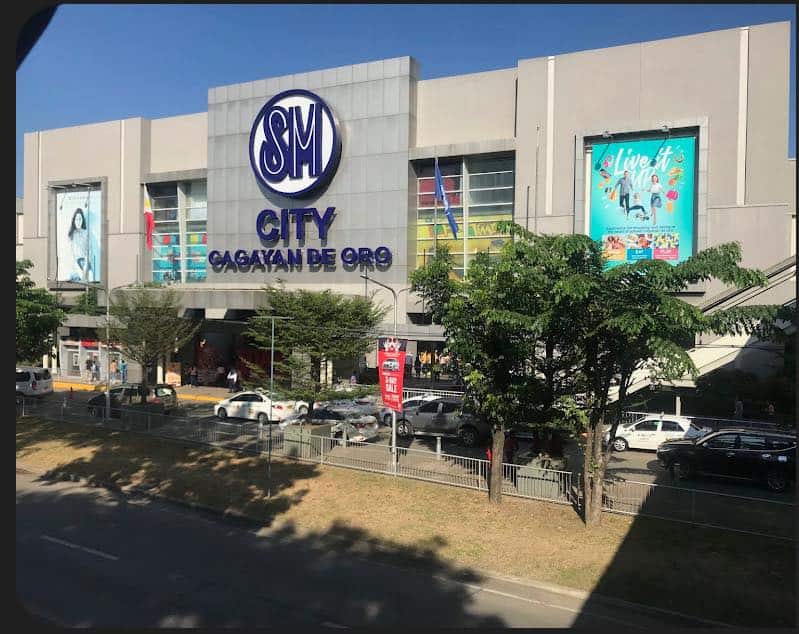
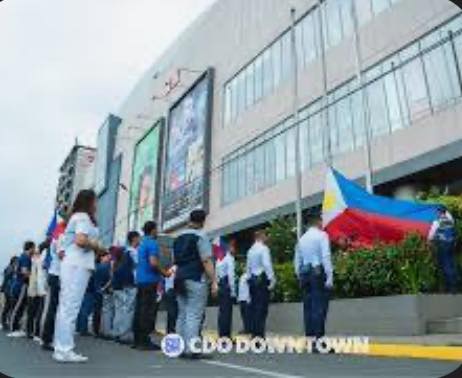
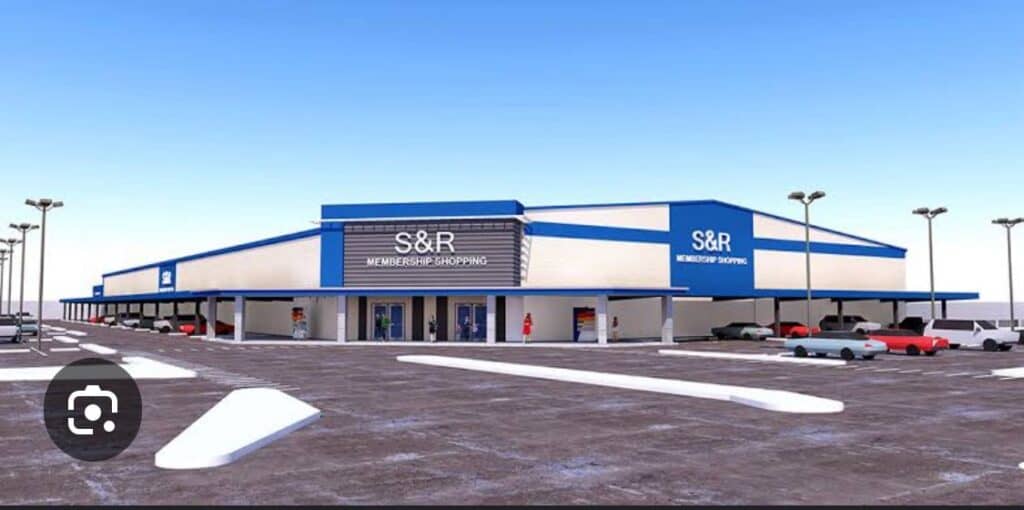
The entry of SM, Ayala, Robinsons, and S and R confirmed Cagayan de Oro’s rise as the R and R capital for Bukidnon, Lanao del Norte, Lanao del Sur, Misamis Oriental, Misamis Occidental, Camiguin, and parts of Agusan and Surigao. These major developers brought in national brands, new job opportunities, and more vibrant commercial nodes. SM invested billions of pesos in SM City CDO Uptown and SM Downtown Premier, with combined employment reaching thousands during peak seasons. S and R, its exclusive membership warehouse club, further expanded local access to imported and premium goods. Ayala Centrio Mall, developed with the Floirendo family of Anflo Motors and their affiliated travel company, added a mix of retail, hotel, and office use. Robinsons, through its downtown and upcoming expansion areas, brought new residential and retail options.
From sari-sari stores to mega malls, from homemade bread to branded gadgets, Cagayan de Oro’s commercial journey reflects the ambition and resilience of its people. As the city celebrates 75 years of chartered growth, the legacy of its business pioneers remains embedded in its skyline, economy, and culture.
Photo credits
• Ororama Megacenter bowling alley – Rotary Archives
• Limketkai oil mill and Marca Leon – Marca Leon Archives
• Gaisano City Mall – Public submission via TikTok 2023
• SM City Cagayan de Oro Uptown and SM Downtown Premier – SM CDO official pages
• S and R CDO – CDODev Photo Archives
• Centrio Mall and overview image – Ayala Malls and Google Business Listing
• Luxe Hotel and VIP Hotel – Limketkai Luxe Marketing and CDO Heritage
Sources
• Interviews with family representatives
• City Museum oral history collection
• Business registration archives
• Nanette V. Roa’s CDO business chronicles
• Trade records and chamber documents
About the Author
Ray G. Talimio Jr. is Past President and Past Chairman of the Board of the Cagayan de Oro Chamber of Commerce and Industry Foundation Inc. Oro Chamber; Co Chairman of the Economic Development Committee of RDC X; Chairman of the MSME Development Council of Misamis Oriental and Cagayan de Oro City; Chairman of BIMP EAGA for Northern Mindanao; National Officer, Past Senior Regional Director, and Past Chapter President of the Philippine Institute of Certified Public Accountants PICPA; Advocate for MSME development, public accountability, regional infrastructure, and customs and trade facilitation reform.